
TL;DR

Get tools and workshop supplies delivered free — and shop member deals
- Fast, free delivery on millions of items
- Access to Prime Big Deal Days deals on October 6–7
- Prime Video, Amazon Music and more included
IP ratings describe resistance to dust and water, and MIL-STD-810H is a set of test methods — not a guarantee a device is indestructible. For construction, target IP68 as a baseline, verify the drop-test conditions, and compare total cost of ownership including cases, docks, repairs, and downtime. A well-cased mainstream phone can work for mild sites; harsh environments justify purpose-built rugged hardware.
A phone falls off a scissor lift platform, bounces off the deck, and lands in a puddle of cutoff-saw slurry. That’s a Tuesday on most jobsites. Consumer phones don’t come back from that. Rugged ones often do — but only if you bought the right one for the right hazard.
Here’s the problem: rugged is a marketing word, not a spec. Every manufacturer slaps it on the box, and the badges — IP68, IP69K, MIL-STD-810H — mean less than most buyers think. They cover specific tests under specific conditions. Pass the test, wear the badge. Miss a different hazard by an inch, and the badge means nothing.
This guide breaks down what the ratings actually mean, which most important aspects to check before you spend crew money, and when a $60 case on a regular phone beats a $1,200 purpose-built device. No product roundups. Just the specs, the traps, and the tradeoffs.
IP68 is the baseline for construction — dust-tight plus rated immersion — but verify the stated depth and duration, since they vary by model even under the sam…
MIL-STD-810H is a menu of test methods, not a single certification. Ask the manufacturer which methods were tested and under what conditions before you trust t…
A device rated for immersion isn’t automatically rated for high-pressure spray (and vice versa) — IP68 and IP69K cover different tests, so match the rating to…
Test any device with your crew’s real gloves, real apps, and one bad week on site before buying ten of them.
Compare total cost of ownership — device plus cases, docks, repairs, and downtime — not sticker price. Downtime mid-shift is the biggest hidden cost.
Best Rugged Phones & Tablets for Construction Site Durability
“Rugged” is a marketing word, not a spec. Every manufacturer slaps it on the box — and the badges (IP68, IP69K, MIL-STD-810H) mean less than most buyers think. This guide breaks down what the ratings actually mean, which traps to check before you spend crew money, and when a $60 case on a regular phone beats a $1,200 purpose-built device.
What IP Ratings Actually Tell You (and What They Don’t)
IP stands for Ingress Protection. The first digit covers solids, the second covers water. Here’s the trap most buyers miss: the two top ratings are not a ladder — they cover different tests.
6 = Dust-Tight
Fine concrete dust can’t get in during the test. A 5 means dust won’t harm function — but some gets in. On a grinding crew, a 5-rated phone lets silica drift past the port covers; six months later the charging port reads intermittent, charging fails silently, and the phone dies mid-shift — the exact failure you bought rugged hardware to avoid.
8 ≠ 9K
IP68 covers immersion at a stated depth and duration. IP69K covers high-pressure, high-temperature jets. A device rated for immersion isn’t automatically rated for spray — and vice versa. Pressure-washing formwork with a phone on your belt? That’s jet spray. Sliding off a tailgate into a mud puddle? That’s immersion. Match the rating to the hazard.
Same Badge, Different Performance
MIL-STD-810H Is Not a Superpower
It’s a collection of test methods the military uses — drops, vibration, temperature, humidity, shock, salt fog. Think of it like a fitness test: one guy passed the bench press, another ran the mile. Both wear the gym shirt.
Ask Which Methods
A maker can test drop survival to Method 516.8 and skip salt-fog entirely — while a coastal marina job eats the connectors with salt air by month three. “Compliant” without a method list usually means the easiest tests were picked.
Surface > Height
Most claim 4 ft onto plywood over concrete; some claim 5–6 ft onto bare steel. Plywood flexes and absorbs energy; steel gives nothing — every foot-pound goes into the frame and glass. A 6-ft steel rating is genuinely harder to earn.
Glass Still Cracks
Repeated impacts, abrasive grit, chemicals, and temperature swings do damage no badge prevents. And water resistance degrades like truck weatherstripping — a two-year-old phone dropped forty times is not the device that passed the lab test.
How to Buy for a Crew: The Checklist
Buying ten devices for a crew is different from buying one for yourself. Run this sequence before you sign the purchase order.
Match the Rating
Pressure-washing crews need IP69K; mud-puddle sites need immersion coverage with stated depth and duration.
Verify Drop Tests
Demand the height and the surface. “MIL-STD-810H compliant” without methods is vagueness — and vagueness is information.
Field-Test One
One bad week with real gloves, real apps, real site conditions — before buying ten of them.
Total Cost of Ownership
Device + cases, docks, repairs, and downtime. Downtime mid-shift is the biggest hidden cost.
Cased Mainstream Phone vs. Purpose-Built Rugged
A well-cased mainstream phone can work for mild sites; harsh environments justify purpose-built hardware. Match the tool to the hazard.
| Factor | Mainstream Phone + $60 Case | Purpose-Built Rugged |
|---|---|---|
| Dust & silica exposure | ~ Case ports wear out; gaps emerge | ✓ Dust-tight IP6x sealed |
| Immersion (mud puddle, trench) | ✗ Case is splash-resistant at best | ✓ Rated depth & duration |
| Pressure-wash jet spray | ✗ Not rated | ✓ With IP69K models |
| Drop onto concrete/steel | ~ Case absorbs single drops, not daily ones | ✓ 4–6 ft rated, verified surface |
| Glove & wet-touch operation | ✗ Rarely supported | ✓ Glove mode standard |
| Replaceable battery | ✗ Sealed in most models | ✓ Often swappable on shift |
| Upfront cost | ✓ Low | ✗ $1,200+ typical |
| Downtime after failure | ✗ Frequent on harsh sites | ✓ Rare when matched to hazard |
Why One Foreman’s “Indestructible” Phone Died Anyway
The phone passed every test it was rated for. The failure came from a hazard no badge covered.
5-ft Drop
Survives the drop onto concrete. Badge earned, box checked.
Silica Dust
Fine dust works into the speaker grille during a demo job.
Ringer Dies
Three weeks later, the speaker fails silently.
Calls Missed
Ready-mix plant can’t reach him; trucks batch without him.
40 min Idle
Crew stands around at full rate — the real cost of the wrong spec.
“Never let a vendor call a device ‘waterproof.’ There’s no such rating. There are only tested conditions — ask for the depth, the duration, and the pressure behind the badge.”
Five Things to Remember Before You Buy
IP68 is the baseline
Dust-tight plus rated immersion — but verify the stated depth and duration, since they vary by model even under the same badge.
MIL-STD-810H is a menu, not a certification
Ask which methods were tested and under what conditions before you trust the badge.
IP68 and IP69K cover different tests
A device rated for immersion isn’t automatically rated for high-pressure spray — and vice versa. Match the rating to your hazard.
Test before fleet-buying
One device, your crew’s real gloves, real apps, one bad week on site — then buy ten.
Compare total cost of ownership
Device plus cases, docks, repairs, and downtime — not sticker price. Downtime mid-shift is the biggest hidden cost.
What IP Ratings Actually Tell You (and What They Don’t)
IP ratings describe resistance to dust and water — nothing more. IP stands for Ingress Protection. The first digit covers solids, the second covers water. IP68 means the device is dust-tight (6) and can withstand a specified water immersion (8). IP69K means it survives high-pressure, high-temperature water jets under defined test conditions.
Here’s the trap most buyers miss: the two ratings are not a ladder. A device rated for immersion is not necessarily rated for high-pressure spray, and the reverse is also true. Why does this matter on a jobsite? Because water attacks in different ways. Picture a laborer pressure-washing formwork with the phone clipped to his belt — that’s jet spray hitting the seals at close range, exactly what immersion testing never simulates. Now picture a phone sliding off a tailgate into a standing mud puddle — that’s immersion, which a jet rating says nothing about. If your crew pressure-washes equipment and the phone rides along, IP69K matters. If the phone takes a dunk in a mud hole, you need immersion coverage — check the stated depth and duration, because those vary by model. One phone might survive 1.5 meters for 30 minutes. Another might handle 2 meters for an hour. Same badge, different performance. The practical implication: a phone fished out of a trench after twenty minutes might be fine on one model and dead on another, and the spec sheet is the only way to tell them apart.
Solid protection works the same way. A 6 in the first digit means devices are dust-tight — fine concrete dust can’t get in during the test. A 5 means dust ingress won’t harm function, but some gets in. That sounds like a hair-splitting difference until you follow the money: a 5-rated phone on a grinding crew lets microscopic silica drift in past the port covers. Six months later, the charging port reads intermittent, the phone gets swapped, and the crew blames the manufacturer — when the buyer actually chose the wrong digit. A degraded port also means nightly charging fails silently, so the phone dies mid-shift, which is the exact failure you bought rugged hardware to avoid.
Never let a vendor call a device “waterproof.” There’s no such rating. There are only tested conditions — ask for the depth, duration, and pressure behind the badge.
One more thing the brochure won’t tell you: water resistance degrades. Heat, age, drops, screen repairs, and charging-port wear all break down the seals. Think of the gaskets like the weatherstripping on a truck door — new, it seals perfectly; after two years of sun, vibration, and door slams, water gets in at the car wash. A two-year-old rugged phone that’s been dropped forty times is not the device that passed the lab test. The tradeoff this creates: you can either budget for replacement on a schedule, or accept that your “rated” fleet carries a shrinking safety margin every month it ages — and a device that survived washdowns in year one might not in year three.
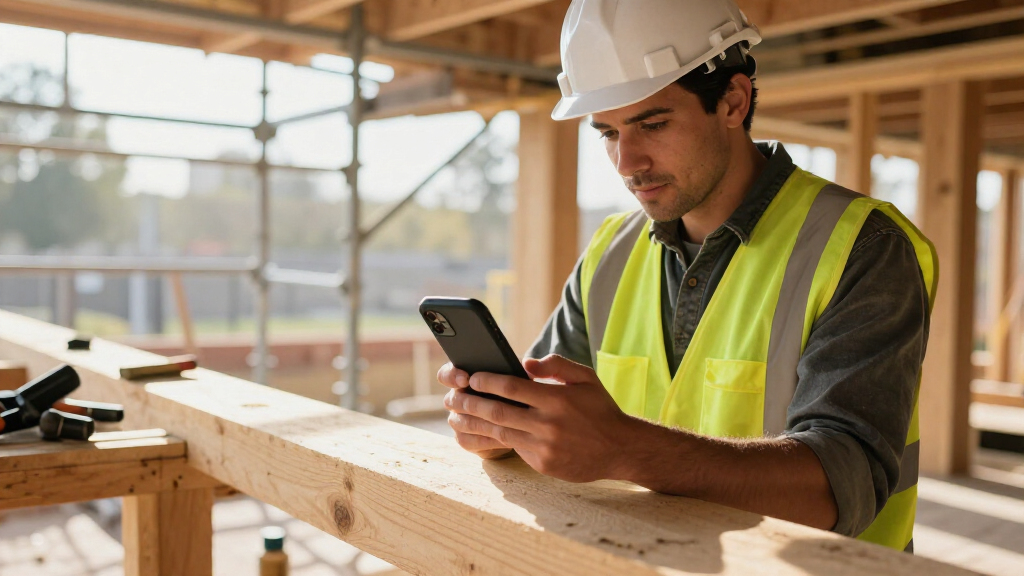
rugged construction site smartphone
As an affiliate, we earn on qualifying purchases.
As an affiliate, we earn on qualifying purchases.
MIL-STD-810H Is Not a Superpower — Here’s How to Read It
MIL-STD-810H is a collection of test methods the military uses for equipment — drops, vibration, temperature extremes, humidity, shock. When a phone maker cites it, they’re saying they tested some of those methods and passed. It is not a single certification, and it does not make a device indestructible.
Think of it like a fitness test. One guy passed the bench press. Another ran the mile. Both wear the gym shirt, but they’re not the same athlete. A manufacturer can test drop survival to MIL-STD-810H Method 516.8 and skip the salt-fog test entirely — and a coastal jobsite eats electronics with salt air. Picture a marina renovation project: the crew is two hundred yards from ocean spray every day for a year. If the phone was never salt-fog tested, the connectors start corroding month three, and no drop rating on earth saves it. Always ask which methods were tested and under what conditions. Reputable makers publish it. Vague ones don’t — and vagueness is itself information. A spec sheet that says “MIL-STD-810H compliant” without listing methods usually means the maker picked the easiest tests.
The number to hunt for is the drop height. Most rugged phones claim 4 feet onto plywood over concrete; some claim 5 or 6 feet onto bare steel. Here’s why the surface matters as much as the height: plywood over concrete flexes and absorbs energy; bare steel doesn’t give at all, so every foot-pound goes straight into the frame and glass. A 6-foot rating onto steel is genuinely harder to earn than a 6-foot rating onto plywood, even though the brochures make them sound identical. And neither covers a drop from the third floor — a phone falling from a scaffold hits with roughly four times the energy of a 4-foot test drop. No rating covers that; the realistic mitigation is a lanyard or holster, not a badge.
And here’s the part nobody puts in the ad: toughened glass still cracks. Repeated impacts, abrasive grit, chemicals, and temperature swings do damage that no badge prevents. Concrete example: a foreman we’ll call the guy who learned this the hard way. His “indestructible” phone survived a 5-foot drop onto concrete — badge earned. It died three weeks later anyway, when fine silica dust worked into the speaker grille on a demo job and killed the ringer. He missed calls from the ready-mix plant, the trucks started batching without him, and the crew stood around for forty minutes at full rate. The phone passed every test it was rated for; the jobsite attacked a spot no test covered. Ratings cover defined tests. Jobsites improvise.
As an affiliate, we earn on qualifying purchases.
The Specs That Matter More Than Toughness
A brick that survives everything but can’t be used is worthless. Screen usability, battery, and connectivity decide whether a rugged device actually helps your crew — and these are the most important aspects buyers skip while staring at drop ratings. Think of it this way: a device only fails dramatically when it breaks, but it fails quietly and constantly when nobody can read the screen at noon or the battery dies at 2 PM. The quiet failures cost more over a year.
Screens first. You need a display readable in direct sunlight, and you need glove mode and wet-touch support if the phone lives outside. Why this decides adoption: a foreman who can’t mark up an inspection form because the screen won’t register his gloved thumb will stop using the phone for inspections — and go back to paper, which defeats the entire purchase. Test it with your crew’s actual gloves — a thick leather welding glove and a thin nitile perform completely differently. Rain is the same story: some wet-touch implementations work in drizzle and fail completely in a driving rain where water bridges two touch points and the screen registers phantom taps. Screen protectors add protection but can kill touch response; test that combination too, because a tempered-glass protector that works bare-handed might ignore gloves entirely.
Battery second. Long shifts make capacity, fast charging, and replaceable batteries the difference between a working radio and a dead brick at 2 PM. The manufacturer’s estimate assumes a lab: room temperature, strong signal, moderate use. Cold weather, GPS, camera use, and poor cellular reception drain batteries far faster — lithium cells can lose 30 percent or more of their effective capacity in freezing temps, and a phone at the edge of coverage burns extra power shouting at distant towers. Real math: a phone rated “two days” in a lab might give you six hours running GPS and hotspot on a remote site in January. If second shift starts at 3 PM, that phone is a paperweight for half the workday. Swappable batteries solve that permanently — the crew member swaps cells at lunch like changing a saw blade, and the dead one charges in the truck. The tradeoff: swappable batteries mean a thicker device with a sealed-compartment compromise, so you trade some slimness for guaranteed uptime.
- Bright display — look for high-nit ratings readable in full sun
- Glove and wet-touch modes — verify with your actual PPE
- Replaceable battery or fast charging — plan for cold-weather drain
- Programmable buttons — push-to-talk or flashlight without unlocking
- Loud speaker — audible next to a compressor
- Carrier-band compatibility — confirm 5G bands match your carrier before bulk-buying
Field extras can replace other gear: thermal imaging, laser measurement, and barcode scanning built into the phone mean one less thing to carry up a ladder. A plumber checking radiant-heat loops can spot a cold joint with a thermal camera phone instead of climbing down for a separate unit. Just verify accuracy and app compatibility before you count on them for real work — a built-in laser measure convenient for a quick check may not be accurate enough for layout, so know which tool it’s replacing and which it isn’t.
MIL-STD-810H certified rugged phone
As an affiliate, we earn on qualifying purchases.
As an affiliate, we earn on qualifying purchases.
Rugged Phone vs. Cased Regular Phone vs. Rugged Tablet
The right device class depends on the work, not the badge. Phones win on portability and calls. Tablets win for reading plans, filling out forms, and annotating drawings. A cased mainstream phone can split the difference for mild sites at half the cost.
| Option | Best For | Tradeoff |
|---|---|---|
| Rugged phone | Daily carry, calls, photos, PTT, harsh sites | Heavier, thicker, higher price |
| Regular phone + rugged case | Office-adjacent staff, occasional site visits | Sealing and ports weaker; case may hurt touch response |
| Rugged tablet | Drawing sets, inspections, work orders, BIM viewer | Weight, cost, needs dock or mount |
The case question comes up constantly: why pay rugged prices when a $60 case exists? Fair point — a well-fitted case on a mainstream phone handles occasional drops and dust fine. Run the scenario both ways. A project manager who walks the site twice a week drops her phone maybe once a quarter, on gravel, from pocket height — a good case absorbs that all day. A rodbuster whose phone rides in a chest pocket through rebar, mud, and hose water hits his device a dozen times a week and the case’s port covers — the weakest point on any cased phone — are the first thing to tear or get left open. What a case can’t match is purpose-built sealing around ports, swappable batteries, integrated mounts and docks, and accessory ecosystems. If your superintendent visits the site twice a week, case it and move on. If your crew lives in the mud, purpose-built hardware pays for itself the first time it survives something a cased phone wouldn’t.
For tablets, construction site durability meets workflow: detachable keyboards, stylus support for marking up drawings, and vehicle docks turn a tablet into a rolling site office. The concrete example is the punch-list walkthrough: a superintendent with a rugged tablet opens the drawing set, red-circles a defect with the stylus, attaches a photo, and emails the subcontractor before leaving the room — versus photographing paper notes and deciphering them back at the trailer. That workflow gain is why crews tolerate the weight. Windows options matter if your company runs desktop-only software, like legacy estimating tools that have no tablet app. Expect added weight and cost — a rugged tablet with accessories can run three times a consumer model, so make sure the crew will actually use it. A $1,800 tablet that stays in the truck because it’s too heavy to carry up stairs is a worse purchase than a cheaper phone that’s always in hand.
heavy-duty construction site phone case
As an affiliate, we earn on qualifying purchases.
As an affiliate, we earn on qualifying purchases.
How to Buy for a Crew: A 7-Step Checklist
Buying ten devices for a crew is different from buying one for yourself. Work through these steps in order, and you’ll avoid the expensive mistakes — like discovering the phones don’t support your carrier’s bands after they arrive.
- Match ratings to hazards. Concrete dust? Need a 6 in the first IP digit. Pressure washing? Need IP69K. Drops from height? Check stated drop height and surface. Walk the site and list what actually kills phones there — the hazards you’ve seen, not the ones the brochure lists.
- Confirm carrier and band compatibility. Verify 5G bands for your carrier before purchase — this kills more deployments than drops do. A box of phones that can’t reach your carrier’s primary band is $7,000 of paperweight, and return windows on bulk fleet buys are shorter than you think.
- Test with real gloves and real apps. Get one demo unit. Hand it to your worst-case user for a week. The worst-case user is the person whose phone history includes two screen replacements — if it survives them, it survives the fleet.
- Check the software-update commitment. Ask how many years of OS and security updates are promised. This matters for devices touching company systems — an unpatched phone logging into your project-management software is a security hole IT will eventually force you to replace early.
- Price the repairs. Ask what a screen replacement costs and how fast service turns around. Rugged devices can still be expensive or slow to repair — a $200 screen with a three-week turnaround means the device is down a month per break, which wipes out its durability advantage.
- Plan charging. Vehicle chargers, docks, or spare batteries — match to shift length and cold-weather drain. If the truck is the only charger on a remote site, one dead battery ends the day’s documentation.
- Run total cost of ownership. Device price plus cases, mounts, docks, accessories, support, and the cost of a dead device mid-shift.
That last step flips most decisions. Example: a $700 device that never goes down beats a $400 device that breaks twice a year — run the numbers. Two replacements a year on a ten-phone fleet is $8,000 in hardware alone, before you count IT time to re-provision each replacement, the superintendent losing photos and punch-list forms when the phone dies, and the warranty claim paperwork. Downtime is the real price tag.
Compare the cost of downtime, not the purchase price. One broken phone on pour day can cost more than the price difference between consumer and rugged hardware.
Where Rugged Devices Still Fail — and How to Stretch Their Life
Rugged ratings do not protect against every hazard. Fine concrete dust, abrasive grit, solvents, saltwater, and temperature extremes can all kill a rated device — slowly, in ways the badge never covered. Knowing the weak points is half the maintenance plan.
The usual killers: charging ports clogged with dust, speaker grilles packed with silica, seals dried out by heat, and screens scratched by grit riding in the same pocket as car keys. None of those show up in a drop test, and each one fails in a way that costs real money. A clogged charging port doesn’t kill the phone — it kills the night’s charge, so the crew discovers the problem at 7 AM with a dead device and no backup. Grit-scratched screens don’t shatter — they just become unreadable in sunlight, which quietly ends their use for drawings and photos weeks before anyone admits the phone is done. On a demo job or a coastal pour, the environment attacks in ways no lab test replicates.
Stretch device life with cheap habits:
- Blow out ports and grilles with compressed air weekly — thirty seconds per device, versus a $200 service ticket later
- Wipe seals and gaskets clean — grit on a seal breaks the seal; think of a chunk of gravel keeping a truck door cracked open in a rainstorm
- Use the manufacturer’s case or holster, not a pocket shared with fasteners
- Keep devices off hot dashboards in summer; heat ages the seals and battery — a dashboard can hit 150°F, cooking the gaskets and the lithium cell at the same time
- Replace batteries on schedule instead of waiting for swelling — a swollen battery doesn’t just die, it can crack the water-resistant case from the inside, voiding the sealing the device was bought for
Also watch the software clock. Support varies by manufacturer — some rugged makers now promise four to five years of updates to compete with mainstream phones, others offer far less. Check the commitment before buying, especially for devices accessing company systems. The tradeoff to understand: a cheaper rugged device with two years of support may need replacing while it’s still physically perfect — so the true lifespan of any device is the shorter of its hardware life and its software life. A physically perfect phone with a dead OS is still e-waste.
Frequently Asked Questions
What IP rating should I look for on a construction site?
IP68 is the common target — it means the device is dust-tight and rated for water immersion under stated conditions. Always check the specific depth and duration the manufacturer tested. If your work involves pressure washing or washdowns, look for IP69K, which covers high-pressure, high-temperature water jets. The two ratings cover different tests, so the harshest sites may warrant both.
Is MIL-STD-810H the same as being indestructible?
No. MIL-STD-810H is a collection of test methods — drops, vibration, temperature, humidity, shock. A manufacturer may test only some of them. It does not guarantee survival of every drop or hazard. Ask which specific methods the device was tested against and under what conditions, including the drop height and landing surface.
Are rugged phones better than putting a case on a regular phone?
It depends on the environment. A quality case on a mainstream phone handles occasional drops and light dust fine, and costs far less. Purpose-built rugged phones offer better sealing around ports, often swappable batteries, and integrated mounts and docks. If your crew works in mud, concrete dust, or wet conditions daily, purpose-built hardware usually wins on total cost of ownership.
Can I use a rugged phone with work gloves or a wet screen?
Many models offer glove mode and wet-touch support, but performance varies with glove thickness, screen protectors, and the app in use. A thin nitrile glove usually works fine; heavy leather gloves often don’t. Test the exact combination your crew uses before buying in bulk.
How important is battery life on a rugged phone?
Critical for long shifts and remote sites. Cold weather, GPS, camera use, and weak cellular reception drain batteries much faster than manufacturer estimates. Look for large capacity, fast charging, vehicle or dock charging options — and ideally a replaceable battery, which solves end-of-shift dead zones permanently.
Are rugged phones worth the higher price?
Often yes, if they reduce breakage, replacement costs, and work interruptions. Run total cost of ownership: device price plus cases, mounts, docks, repairs, and the cost of downtime. One dead phone on a pour day can cost more than the price gap between consumer and rugged hardware.
Conclusion
Buy for your hazards, not the badge. Figure out what actually kills phones on your sites — dust, drops, washdowns, cold, dead batteries — then find the device tested against exactly those things, with the test conditions in writing. That one habit separates buyers who get five years out of a fleet from buyers replacing cracked phones every quarter.
The best rugged device is the one your crew actually carries, can read in sunlight, can charge before second shift, and can survive the specific way it gets dropped on your job. Everything else is just a sticker on a box.
Halloween Picks
halloween
As an affiliate, we earn on qualifying purchases.