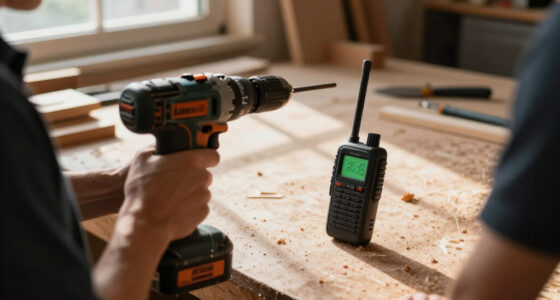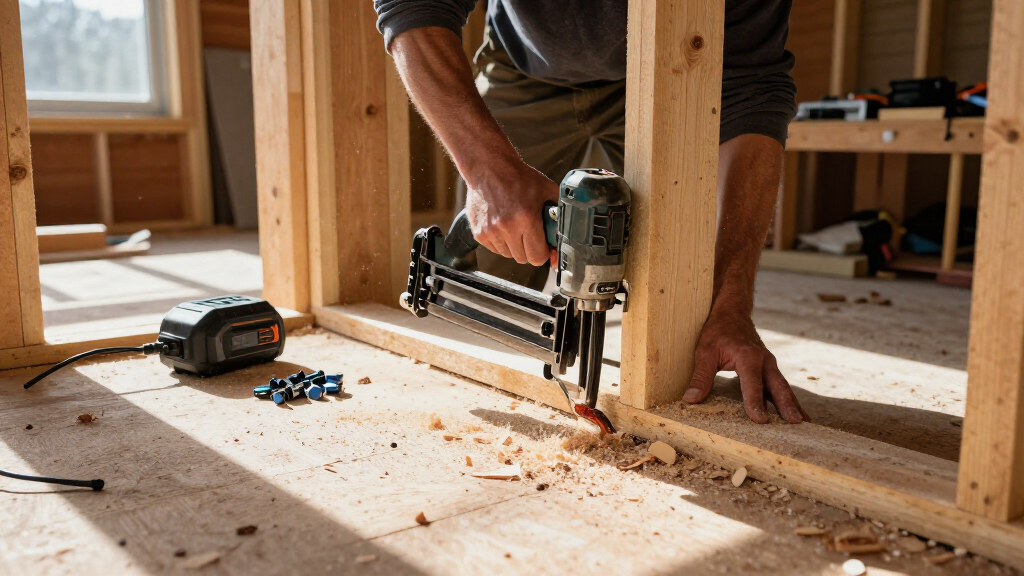

The best cordless nail gun for framing balances dependable drive performance, manageable weight, and a nail angle that suits your framing workflow. My best overall pick is the Metabo HPT MultiVolt NR1890DRA, a kit-based option that stands out for buyers who want a ready-to-work setup. The Makita XNB03M1 is a compelling choice for users already invested in Makita 18V tools, while the Craftsman V20 Brushless 30° suits shoppers who prefer the V20 platform and angled nails. The main tradeoffs are platform compatibility, included battery and charger, tool weight, and whether 21° or 30° nails fit your existing supply. Read on for the full breakdown and a guide to choosing a nailer that fits your projects.

Get tools and workshop supplies delivered free — and shop member deals
- Fast, free delivery on millions of items
- Access to Prime Big Deal Days deals on October 6–7
- Prime Video, Amazon Music and more included
Complete the kit


Key Takeaways
- The Metabo HPT NR1890DRA is the clearest ready-to-work pick because it is listed as a kit; bare-tool models require a compatible battery and charger.
- The Makita XNB03M1 is the most straightforward choice for Makita 18V owners, and its listed kit includes a 4.0Ah battery.
- Nail angle is a workflow choice, not a performance ranking by itself: the lineup includes both 21° and 30° models, so check local nail availability and your existing fasteners.
- Two Craftsman V20 options serve different needs: the 21° model lists nails up to 3¼ inches, while the 30° version is brushless; compare nail requirements and platform fit before choosing.
- Several product names provide limited kit or performance detail, so confirm battery contents, fastener compatibility, and operating specifications before buying.


| cordless nail gun for framing | Nail angle | Voltage |
|---|---|---|
| 20-Volt 30° Cordless Framing N | 30° | 20V |
| Metabo HPT Cordless Framing Na | 21° | 18V MultiVolt |
| ONE+ HP 18V Brushless Cordless | 30° | 18V |
| Craftsman V20 Cordless Framing | 21° | — |
| Makita XNB03M1 18V LXT Lithium | 21° | 18V LXT |
| Craftsman V20 Brushless Cordle | 30° | — |
| 20-Volt 21° Cordless Framing N | 21° | 20V |
More Details on Our Top Picks
20-Volt 30° Cordless Framing Nailer (Tool-Only)
This is the most straightforward pick for a framer who wants cordless mobility and a 30° nail angle without committing to a full kit. Its angled format can make access easier in tight framing bays, while the compact, lightweight design is aimed at maneuverability rather than maximum capacity. Compared with the Metabo HPT NR1890DRA, it offers fewer documented performance details and lacks an included battery and charger, so it is harder to judge for sustained production work. The Metabo also lists a 3-1/2-inch nail capability and a 500-nail battery estimate; neither figure is supplied here. I’d choose this model when an existing compatible battery platform and easy handling matter most, but skip it for a large job if you need a ready-to-work kit or verified runtime.
Pros:- Cordless operation removes compressor and hose setup
- 30° nail angle can help reach confined framing spaces
- Compact, lightweight design favors handling during overhead or awkward work
Cons:- Battery and charger are not included
- Nail capacity is limited compared with larger pneumatic models
- The supplied product data does not specify maximum nail length or runtime
Best for: Framers who already own compatible 20-volt batteries and need a maneuverable 30° nailer for smaller jobs or tight framing areas
Not ideal for: Crews starting without compatible batteries or buyers who need documented nail length, capacity, and runtime for high-volume framing
- Voltage:20V
- Nail angle:30°
- Power source:Cordless battery
- Package contents:Tool only
- Battery included:No
- Charger included:No
Our verdict“Choose this tool-only model for compact 30° access if you already have its compatible battery platform, but favor the Metabo HPT kit for better-documented job capacity and included power components.”
Metabo HPT Cordless Framing Nailer MultiVolt 21° Kit NR1890DRA
The Metabo HPT is the most complete out-of-box choice here: the kit includes a 4.0Ah battery and charger, along with the nailer and jobsite accessories. Its listed 120 joules of power, ability to drive nails up to 3-1/2 inches, and zero ramp-up time make it a strong fit for framing work where pneumatic-like response matters. At 8.4 pounds without the battery, it is also lighter on paper than the Makita XNB03M1 at 11.9 pounds with battery, though those weights are measured in different configurations. The tradeoff is runtime: the stated estimate is up to 500 nails per charge, below the Makita’s stated 1,000 with a 6.0Ah battery. I’d favor the Metabo for a balanced kit and nimble handling, not for buyers who want the highest stated nail count per charge.
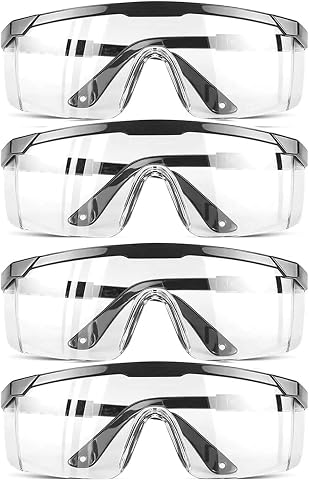
Pros:- Includes a 4.0Ah battery, charger, bag, wrench, and safety glasses
- 120-joule power and up to 3-1/2-inch nail capability suit demanding framing
- Brushless motor and tool-less depth adjustment support productive, controlled work
- Bump and sequential modes cover fast and placement-focused nailing
Cons:- Listed runtime is up to 500 nails per charge, which may mean more battery changes on large jobs
- The 8.4-pound weight is specified without the battery, so working weight will be higher
Best for: Framers who want a complete cordless kit with a battery, charger, adjustable drive modes, and capability for nails up to 3-1/2 inches
Not ideal for: High-volume crews prioritizing the longest stated runtime between charges, or buyers already invested in a different battery platform
- Voltage:18V MultiVolt
- Battery capacity:4.0Ah
- Weight:8.4 lb without battery
- Nail angle:21°
- Maximum nail length:3-1/2 in
- Power:120 joules
- Motor:Brushless
- Runtime:Up to 500 nails per charge
- Included components:Nailer, battery, charger, wrench, bag, and safety glasses
Our verdict“Pick the Metabo HPT if you want a well-equipped framing kit with strong listed power and a lower bare-tool weight than the Makita.”
ONE+ HP 18V Brushless Cordless AirStrike 30° Framing Nailer
For buyers who need a 30° cordless nailer and value fewer battery changes, the ONE+ HP AirStrike has the strongest stated runtime in this group: up to 750 nails per charge with a 4.0Ah battery. It also drives nails up to 3-1/2 inches and offers sequential and contact-actuation modes, letting the operator favor placement control or faster repetitive work. Compared with the Metabo HPT NR1890DRA, its listed nail count is higher, but the battery is sold separately and the Metabo kit includes one. The rafter hook and on-board air fill valve add jobsite utility, while the brushless motor supports efficient operation. The compromise is that no weight is provided here, and the 750-nail figure depends on a separately purchased battery. It suits existing ONE+ users better than someone seeking a complete kit.
Pros:- Drives nails up to 3-1/2 inches for heavy-duty framing
- Up to 750 nails per charge with a 4.0Ah battery
- Sequential and contact-actuation modes offer control or faster repetitive firing
- Rafter hook and on-board air fill valve add jobsite convenience
Cons:- Battery is sold separately
- The 750-nail runtime depends on a 4.0Ah battery and may not cover every large workday
- No weight is provided in the supplied product data
Best for: Framing crews already using the ONE+ 18V platform who want a 30° tool, 3-1/2-inch nail capacity, and a stated 750 nails per 4.0Ah charge
Not ideal for: First-time cordless buyers who want a battery and charger included, or anyone who needs a published tool weight before choosing
- Voltage:18V
- Motor:Brushless
- Nail angle:30°
- Maximum nail length:3-1/2 in
- Nails per charge:Up to 750 with a 4.0Ah battery
- Battery:4.0Ah battery sold separately
- Drive modes:Single sequential and contact actuation
- Depth adjustment:Tool-free
- Additional features:Integrated rafter hook and on-board air fill valve
Our verdict“Choose the ONE+ HP AirStrike for 30° framing and higher stated per-charge output if you already own its battery platform; choose the Metabo HPT if you need a complete kit.”
Craftsman V20 Cordless Framing Nailer – 21° Up to 3-¼ in Nails, Bare Tool Only
The Craftsman V20 makes the most sense for builders already invested in its battery platform who want a direct, cordless route to routine framing. It drives 21° round-head nails up to 3-1/4 inches, and tool-free depth adjustment helps tune placement without stopping to find a separate adjustment tool. Its rafter hook is useful when moving around a frame, and the cordless design avoids compressor and hose setup. Compared with the Makita XNB03M1, the Craftsman has a shorter stated maximum nail length and fewer listed operating features; the Makita accepts nails up to 3-1/2 inches and includes a battery and charger. In return, this Craftsman is a bare tool, so it is a less complete purchase for new users. It is a practical platform match, not the best choice for buyers needing a full kit or the longest nails.
Pros:- Drives 21° round-head nails up to 3-1/4 inches
- Cordless design removes the need for a compressor, hose, or gas cartridge
- Tool-free depth adjustment supports quick changes for different materials
- Rafter hook helps keep the tool accessible while working
Cons:- Battery and charger are sold separately
- Maximum nail length is shorter than the Makita XNB03M1 and Metabo HPT models
- No runtime or weight figures are supplied in the product data
Best for: DIY builders and V20-equipped contractors framing with nails up to 3-1/4 inches who want a cordless bare tool
Not ideal for: Buyers who need a battery and charger included, regularly use 3-1/2-inch nails, or want runtime and weight figures before buying
- Model:CMCN621PLB
- Power source:Cordless battery
- Nail angle:21°
- Nail type:Round head
- Maximum nail length:3-1/4 in
- Depth adjustment:Tool-free
- Battery:Sold separately
- Compatibility:VERSATRACK clip accessories
Our verdict“Choose the Craftsman if you already own V20 batteries and 3-1/4-inch nail capacity is enough; the Makita is a better fit for longer nails and an included battery kit.”
Makita XNB03M1 18V LXT Lithium-Ion Brushless Cordless 21° Full Round Head 3-1/2″ Framing Nailer Kit (4.0Ah)
The Makita kit is the capacity-minded choice for framing crews that want a 21° full-round-head nailer and battery power in the box. Its listed range runs from 2 to 3-1/2 inches, and the two-mode selector switches between sequential and bump firing. An anti-dry-fire mechanism helps avoid empty shots, while tool-less depth adjustment and a built-in LED support routine jobsite use. The stated runtime reaches up to 1,000 nails with a 6.0Ah battery, but this kit includes a 4.0Ah battery, so buyers should not treat 1,000 as the included-battery figure. At 11.9 pounds with battery, it is heavier than the Metabo HPT’s listed 8.4-pound bare-tool weight. I’d pick Makita for its full kit and stated capacity, but not for anyone prioritizing a lighter tool.
Pros:- Includes a 4.0Ah battery and rapid charger
- Accepts full-round-head nails from 2 to 3-1/2 inches
- Sequential and bump modes, tool-less depth adjustment, and anti-dry-fire protection
- Up to 1,000 nails per charge is specified with a 6.0Ah battery
Cons:- At 11.9 pounds with battery, it is heavier than the Metabo HPT’s stated bare-tool weight
- The 1,000-nail runtime is specified for a 6.0Ah battery, not the included 4.0Ah battery
- Magazine capacity is 41 nails, requiring reloads during sustained work
Best for: Framing professionals who want a 21° full-round-head kit, use nails up to 3-1/2 inches, and value the option of extended runtime with a 6.0Ah battery
Not ideal for: Framers who prioritize low working weight or expect the 1,000-nail figure from the included 4.0Ah battery
- Model:XNB03M1
- Voltage:18V LXT
- Battery included:4.0Ah
- Nail angle:21°
- Nail type:Full round head
- Nail length:2–3-1/2 in
- Magazine capacity:41 nails
- Weight:11.9 lb with battery
- Nails per charge:Up to 1,000 with a 6.0Ah battery
Our verdict“Choose the Makita for a battery-included 21° kit with full-round-head support and extended-runtime potential, but favor the lighter Metabo HPT if handling fatigue matters more.”
Craftsman V20 Brushless Cordless 30° Framing Nailer (Tool Only)
The brushless motor and rapid sequential firing make this Craftsman a strong fit for framing work where sustained use and a brisk pace matter. Compared with the Craftsman V20 21° Cordless Framing Nailer elsewhere in this roundup, its 30° configuration is the key distinction; check which nail angle matches the fasteners you already use before choosing between them. Tool-free depth adjustment also lets you adapt nail seating without pausing for a separate tool, while the rubber overmolded handle and balanced design support comfort through longer sessions.
The tradeoff is that this is a bare tool, so a V20 battery and charger are separate purchases. The product details also provide less information about nail length and capacity than some competing listings, making it harder to judge fit for a specific framing setup. I’d choose it for an existing V20 owner who values brushless operation, not someone shopping for a complete kit.
Pros:- Brushless motor is designed for longer runtime and strong performance.
- Tool-free depth adjustment makes it quicker to adapt nail seating.
- Rapid sequential firing supports a faster work rhythm.
- Balanced body and rubber overmolded handle are intended to reduce fatigue.
Cons:- Tool-only package requires a compatible V20 battery and charger.
- 30° angle may not suit buyers already set up for 21° framing nails.
- Provided product details do not specify nail length or magazine capacity.
Best for: Framers who already own Craftsman V20 batteries and want a brushless 30° nailer with quick depth changes.
Not ideal for: Buyers who need a battery and charger included, or who require a 21° nailer for their preferred fasteners.
- Motor type:Brushless
- Nail angle:30°
- Depth adjustment:Tool-free
- Firing mode:Rapid sequential
- Handle:Rubber overmolded
- Jam indicator:LED
- Battery platform:Craftsman V20
- Package:Tool only; battery and charger not included
Our verdict“Choose this Craftsman if you own V20 batteries and want brushless performance with 30° fasteners; skip it if you need a complete kit or a 21° platform.”
20-Volt 21° Cordless Framing Nailer (Tool-Only)
This 20-volt nailer’s 21° angled head is its clearest advantage: it is intended to reach tighter spots and help line up shots where a larger approach angle can get in the way. That gives it a different use case from the Craftsman V20 Brushless 30° Framing Nailer, which offers brushless operation and tool-free depth adjustment but uses a 30° angle. If access and matching your existing 21° fasteners matter more than a detailed feature set, this listing may be the more direct fit.
Its sparse specifications make the choice less certain for demanding framing jobs: the supplied details do not identify firing modes, depth adjustment, motor type, or nail capacity. It is also tool-only, so buyers without a compatible 20V battery and charger will need to source them separately. I’d treat it as a compact, mobility-focused option rather than the most feature-documented pick in the roundup.
Pros:- Cordless design allows movement around a job site without a power cord.
- 21° angled head is suited to access in tighter spaces.
- Lightweight design is intended to help limit fatigue.
- Framing and trim work are both listed uses.
Cons:- Tool-only package does not include a compatible battery or charger.
- Product information does not specify depth adjustment or firing modes.
- Nail capacity and compatible nail lengths are not listed in the provided details.
Best for: Framers and remodelers who need a cordless 21° nailer for tighter access and already own a compatible 20V battery.
Not ideal for: Buyers who want a battery-and-charger kit or need documented details about firing modes, depth control, and nail capacity.
- Voltage:20V
- Nail angle:21°
- Power:Cordless
- Listed applications:Framing and trim work
- Design:Lightweight
- Package:Tool only
- Battery and charger:Not included
Our verdict“Pick this model if you need a mobile 21° nailer for tighter access and already have a compatible 20V battery; choose a better-documented option if feature specifics matter.”
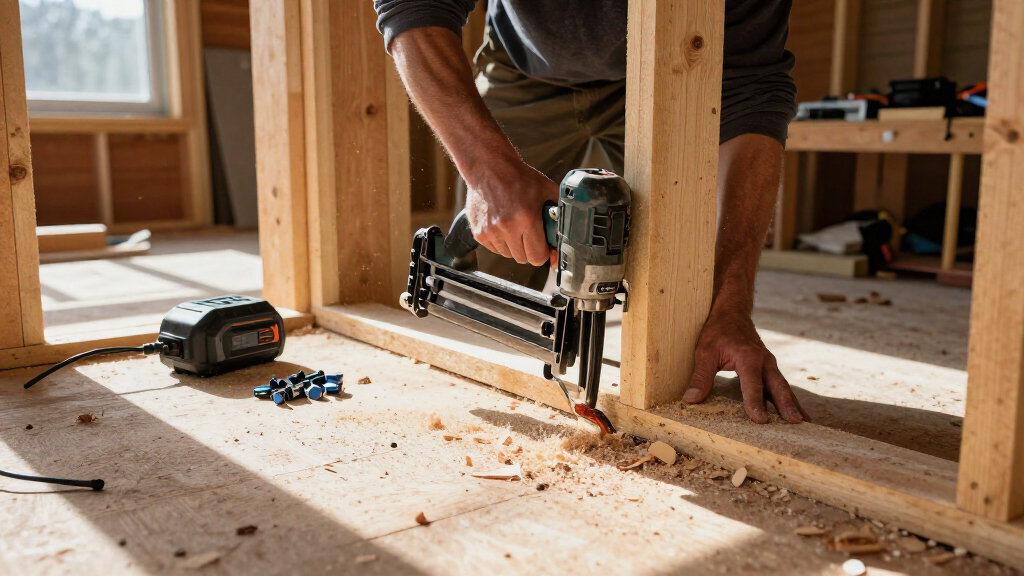
How We Picked
I ranked these nailers around the demands of framing: driving compatible framing nails into common lumber, keeping the tool workable during repeated fastening, and fitting into a buyer’s existing battery system. I also compared the information available in each model name, including nail angle, stated nail length, brushless motor designation, and whether a battery or charger is identified as included. Those details affect daily usability and the full setup a buyer needs, but they do not replace checking the manufacturer’s specifications for firing speed, capacity, weight, and fastener compatibility.
The ranking favors options with a clearer kit proposition or a distinct practical advantage, then places platform-specific and less fully identified models where they may suit particular buyers. The two Craftsman models are separated by their stated angle and brushless designation rather than treated as interchangeable. The 20-Volt models have limited identifying detail, so I rank them below options with named platforms or more explicit specifications. Buyers should verify exact model numbers and included accessories, since listings can differ by retailer or package.
Factors to Consider When Choosing Best Cordless Nail Gun For Framing
Choosing a framing nailer is partly about the tool and partly about the system around it. I would settle fastener compatibility, battery ownership, and the amount of framing you expect to do before weighing convenience features or comparing model names.
Match the Nail Angle to Your Fasteners and Worksite
The 21° and 30° labels describe magazine and collation formats, so they affect which nails you can load—not simply how the tool performs. Before buying, check the nailer’s manual for approved nail lengths, shank types, head styles, and collation materials. Then compare those requirements with the fasteners stocked by nearby suppliers and the nails already in your shop. A less common format can slow a job if you run out and cannot source a compatible box quickly. Do not assume two nails with the same length and angle are interchangeable. The best angle for you is the one that matches both the manufacturer’s specifications and your regular supply.
Calculate the Full Battery-System Cost
A bare tool can be a sensible choice when you already own compatible batteries and a charger, but it may be a poor value as a first purchase. Check the exact battery platform and voltage before assuming a pack from another tool will work. For a kit, confirm what the package actually includes; the Makita model name identifies a 4.0Ah battery, while other listings may vary by seller. Framing often involves long stretches away from a charging point, so battery capacity and the option to carry a spare can matter more than a small difference in tool features. If you are new to a platform, compare the nailer package with the cost of the battery and charger you still need. This total-system view prevents a low-entry bare-tool listing from driving the wrong decision.
Prioritize Handling for the Work You Repeat
Framing involves overhead fastening, toe-nailing, and working in tight corners, so balance and grip can affect fatigue as much as the tool’s listed weight. A larger battery may extend work between charges but can make the nailer feel heavier at arm’s length. If possible, handle the tool with the battery attached and check whether the nose, trigger, and belt hook suit your usual positions. Buyers doing occasional repairs may accept a heavier tool in exchange for using an existing battery platform. Crews fastening throughout the day should give more attention to comfort and the ease of managing spare packs. Avoid choosing by bare-tool weight alone, since the battery is part of the working setup.
Look Beyond the Brushless Label
A brushless motor is a useful design detail, but it does not by itself prove that a nailer will drive every fastener reliably in every material. Check manufacturer data for drive depth adjustment, firing modes, jam-clearing access, and the approved range of nail sizes. These details shape how quickly you can adjust between framing tasks and recover from a misfeed. Ask whether the tool is intended for the lumber and nail types you use, especially when working with denser material or longer fasteners. If you need evidence about a particular job condition, rely on published specifications and a clear return policy rather than the motor label alone. This is a better way to separate real job fit from a single headline feature.
Estimate Runtime Around Your Actual Job Size
Battery runtime depends on the pack, fastener, material, and firing pattern, so a single capacity figure cannot tell you exactly how many nails a charge will drive. A small repair project may need only one charged pack, while a new wall or addition can call for spares and a charging plan. Think about whether you can rotate batteries during breaks and whether other tools on your platform will compete for the same packs. Do not assume the biggest battery is always the right answer: it adds weight, which may be unwelcome during overhead work. When the manufacturer publishes runtime or fasteners-per-charge information, check the test conditions before applying it to your work. Planning around your pace helps prevent both unnecessary battery purchases and avoidable downtime.
Check Serviceability and Package Details Before Ordering
Framing nailers encounter dust, drops, and occasional jams, so access to maintenance instructions and replacement parts can matter over the life of the tool. Confirm how the manufacturer directs users to clear jams and maintain the driver; do not rely on generic procedures that may not fit a particular model. Also check whether the package includes a battery, charger, carrying case, and belt hook, since product names do not always tell the full story. Listings with sparse specifications deserve extra verification of the exact model number and compatible nails. If downtime would hold up paid work, local service access and parts availability may outweigh a minor feature difference. A clear package and support path can make a less flashy nailer the safer purchase.
Frequently Asked Questions
Should I choose a 21° or 30° framing nailer?
Choose based on the nail format you can reliably buy and the fasteners approved for your work, rather than assuming one angle is universally better. This roundup has several options in both formats, so your existing supply may narrow the choice quickly. Check the tool manual for nail length, head style, and collation requirements before stocking up. If you work across multiple sites, ask what formats are commonly available in your area. Keeping a single compatible nail supply can simplify purchasing and reduce the chance of arriving at a job with the wrong fasteners.
Is a cordless framing nailer suitable for building a whole house?
It can be, but the right answer depends on the job’s pace, access to charged batteries, and the nailer’s verified performance with your framing materials. A large project places more demand on battery rotation and tool serviceability than occasional repairs do. Check the manufacturer’s drive and runtime information, then plan for spare compatible packs and a charging routine. For sustained crew use, handling and service access deserve as much attention as convenience. If the work has strict production requirements, confirm the model’s capabilities with the manufacturer or supplier before committing.
Should I buy a bare tool or a kit?
A bare tool is usually the more practical route when you already own a compatible battery and charger on the same platform. If you do not, compare the complete cost and contents of a kit against buying each component separately. This roundup identifies the Metabo HPT and Makita options as kits, while several other product names specify tool-only or bare-tool packaging. Verify the retailer’s exact package because included accessories can vary. Also check whether the supplied battery capacity suits your expected work or whether you will need a second pack.
Can I use any framing nails that match the stated angle?
No. Angle is only one part of nail compatibility, and the wrong collation, head style, shank, or length can cause feeding problems or fall outside the tool’s approved range. Read the specific model’s manual and match every fastener detail before purchasing a box. The Craftsman V20 21° listing, for example, states a maximum nail length of 3¼ inches, but that does not establish compatibility with every nail of that length. When the listing is vague, ask the manufacturer or supplier to confirm the exact nail part number. Avoid forcing a near-match into the magazine.
What should I verify when a product listing gives few specifications?
Start with the exact model number, then find the manufacturer’s current manual or specification sheet. Confirm approved nail sizes and types, battery compatibility, included accessories, weight with battery, and available drive adjustments. This matters especially for the two 20-Volt listings in this roundup, whose names alone do not identify all performance or package details. Ask the seller to clarify anything the manufacturer documentation does not settle, including warranty and service arrangements. If key details remain unclear, a better-documented option may be the more dependable purchase even if the headline features seem similar.
Conclusion
For the best overall choice, I would start with the Metabo HPT MultiVolt NR1890DRA kit because its kit designation gives buyers a clearer path to a complete setup. The best premium fit for an existing platform is the Makita XNB03M1, particularly for Makita 18V users who want a kit listing that specifies a 4.0Ah battery. For best value, I would first compare the Craftsman V20 models with the batteries you already own; the 21° option states a nail-length limit, while the 30° option is identified as brushless. Beginners should favor a verified kit with clear fastener specifications over a bare tool with an attractive but incomplete listing. For a specific nail-angle need, choose among the 21° or 30° models only after checking local nail availability and the manufacturer’s compatibility chart. That short list ties the choice to your battery system, job scale, and fastener supply rather than to the name on the tool alone.
Fall yard work Picks
leaf blowers
As an affiliate, we earn on qualifying purchases.