

The best mudsill gap filler depends on the width of the gap and whether you need a compressible insert, a surface seal, or both. My best overall pick is the M-D Building Products 3/4-inch backer rod for filling larger joints before sealing, while Great Stuff Big Gap Filler stands out for irregular cavities and DCP Donseal PU440 for a dedicated polyurethane sealant. The main tradeoff is control: backer rod helps set sealant depth, while foam sealants can fill awkward voids but are harder to shape neatly. Small gaps may call for thinner rod or a cartridge sealant instead. Read on for the full breakdown and help matching a filler to your mudsill gap.

Get business pricing on tools and workshop supplies
- Business-only prices and quantity discounts
- Tax-exempt purchasing
- Multiple users, one account, clear invoices
Complete the kit



Key Takeaways
- M-D’s 3/4-inch backer rod is the most useful starting point for wider joints, while its 3/8-inch and polyethylene options better suit narrower gaps and different material preferences.
- Backer rod and sealant serve different jobs: rods control joint depth and support a sealant bead; they are not a finished weather seal on their own.
- Great Stuff and Loctite spray foams address irregular cavities more readily than rod, but their expanding foam is less precise for a clean, flexible joint.
- DCP Donseal PU440 and Sika Sikaflex are sealant-led choices; compare application and joint fit rather than treating them as interchangeable with gap-filling rods.
- Size variety matters more than length alone: the RTHIEAI three-size EPDM pack can help when gap widths vary, while long thin rods such as Acuteye suit repeated narrow joints.


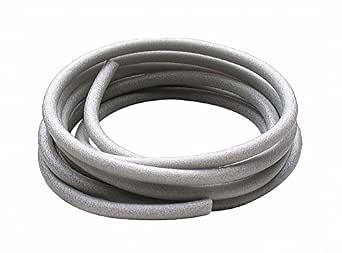


| mudsill gap filler | Color | Material | Water resistance | Brand |
|---|---|---|---|---|
| M-D Building Products Foam Bac | Gray | Rubber | Waterproof | M-D Building Products |
| ToLanbbt Foam Backer Rod | Grey | Polyester foam | Waterproof | ToLanbbt |
| BHUCUTU Foam Backer Rod | May vary slightly between batches | Foam | Water resistant | BHUCUTU |
| Macepason Foam Backer Rod for | Black | Foam | Waterproof | Macepason |
| Great Stuff Smart Dispenser Bi | Cream | — | Water resistant | Great Stuff |
| Acuteye EPDM Foam Backer Rod | White | EPDM foam | Waterproof | — |
| RTHIEAI EPDM Rubber Strip Tria | Gray | EPDM rubber | — | — |
| DCP Donseal PU440 Polyurethane | Gray | Polyurethane | — | — |
| Loctite Tite Foam Gaps & Crack | White | Polyurethane | Water resistant | — |
| DAP Concrete and Mortar Filler | Gray | Latex with silicone additives | Waterproof | — |
| M-D Building Products Foam Bac | Gray | Closed-cell foam | Waterproof | M-D Building Products |
| M-D Building Products 71480 Po | Gray | Closed-cell polyethylene | Water resistant | M-D Building Products |
| Frienda Foam Rubber Backer Rod | Black | Foam rubber | — | Frienda |
| SIKA Sikaflex Self-Leveling Co | Gray | Polyurethane | — | SIKA |
More Details on Our Top Picks
M-D Building Products Foam Backer Rod, Gray, 3/8 in x 20 ft
For a narrow mudsill gap that needs a backing material before caulking, this 3/8-inch rod is the most targeted fit in this group. Its closed-cell foam helps limit drafts, moisture, dust, and insects, while the 20-foot length can cover multiple short joints. I like that it can be pressed into place and trimmed with scissors, making it easier to fit around irregular sections than the thicker BHUCUTU 1/2-inch rod. The tradeoff is its size: it is intended for small gaps, and a wider opening may call for a larger rod such as the Macepason 1-inch rod. It is also a backing material, not a finished seal; you still need compatible caulk over it.
Pros:- Small 3/8-inch diameter suits narrow joints
- Closed-cell foam helps block drafts, moisture, dust, and insects
- Can be pushed into place and cut with scissors
- Provides a base for caulk and can reduce sealant use
Cons:- Too small for many wider gaps unless combined with another approach
- Requires separate caulk for a finished joint
Best for: Homeowners sealing narrow, shallow mudsill joints who want a cut-to-length backing rod before applying caulk.
Not ideal for: Anyone filling wide openings or seeking a finished seal in one step; this rod is only 3/8 inch in diameter and needs separate caulk.
- Brand:M-D Building Products
- Diameter:3/8 inch
- Length:20 feet
- Color:Gray
- Material:Rubber
- Form:Foam
- Water resistance:Waterproof
- Model:71464
Our verdict“Choose this M-D rod for narrow mudsill gaps where easy trimming and a caulk-ready backing matter more than filling a large opening.”
ToLanbbt Foam Backer Rod, 3/4-Inch Diameter, 59 Feet, Grey
The 3/4-inch diameter and 59-foot length make this ToLanbbt rod a better match for extended mudsill runs and larger joints than the compact M-D 3/8-inch rod. Its flexible, closed-cell polyester foam is described as waterproof and can help limit air and noise leakage when used with a suitable sealant. That longer roll also means fewer interruptions when filling a continuous section. The listed maximum gap fill is 1.5 inches, so it is not a fix for every oversized opening; check the joint dimensions and fit before choosing it. Like the BHUCUTU rod, it serves as backing rather than a finished seal, but its larger diameter and length make it the more useful pick when coverage and gap capacity take priority.
Pros:- 59-foot length covers longer runs with fewer joins
- 3/4-inch diameter suits wider joints than the M-D 3/8-inch rod
- Flexible closed-cell foam is described as waterproof
- Can help reduce air and noise leakage when paired with sealant
Cons:- Limited to gaps up to the listed 1.5-inch maximum
- Requires separate sealant to finish the joint
- Larger diameter may be a poor fit for narrow mudsill gaps
Best for: DIYers sealing long mudsill runs with joints suited to a 3/4-inch rod and who want substantial length in one roll.
Not ideal for: People working on very narrow gaps or expecting the rod alone to create a finished, weather-sealed joint.
- Brand:ToLanbbt
- Diameter:3/4 inch
- Length:59 feet
- Maximum gap fill:1.5 inches
- Material:Polyester foam
- Color:Grey
- Water resistance:Waterproof
- Number of items:1
Our verdict“Pick ToLanbbt when a long mudsill run has wider joints that suit its 3/4-inch rod, and plan to apply sealant over it.”
BHUCUTU Foam Backer Rod, 1/2 Inch x 33 Feet
BHUCUTU lands between the 3/8-inch M-D rod and the 3/4-inch ToLanbbt rod, making its half-inch diameter a practical middle choice for mudsill joints that are neither especially tight nor wide. The 33-foot length gives more coverage than the M-D option, while its flexible, compressible foam can be cut and pressed into place across concrete, asphalt, walls, and window joints. That range is useful if a project includes more than one surface. Its water resistance is listed as water resistant, rather than the waterproof claim made for the ToLanbbt and Macepason rods, so I would not choose it based on the strongest moisture-resistance claim. It also needs suitable sealant over the rod, and batch color can vary.
Pros:- 1/2-inch diameter bridges the size gap between the M-D and ToLanbbt options
- 33-foot length provides more coverage than the M-D 20-foot rod
- Flexible and compressible for fitting into varied joints
- Suitable for concrete, asphalt, windows, and walls
Cons:- Requires suitable sealant for a finished joint
- Water resistance is specified, not waterproofing
- Color may vary between production batches
Best for: DIYers handling mixed household sealing jobs who need a medium-diameter rod that can be cut to different joint lengths.
Not ideal for: Buyers whose mudsill gap clearly requires a larger rod or who want a waterproof claim rather than water resistance.
- Brand:BHUCUTU
- Diameter:1/2 inch
- Length:33 feet
- Material:Foam
- Water resistance:Water resistant
- Color:May vary slightly between batches
- Model:BT220-0.5
- Number of items:1
Our verdict“Choose BHUCUTU for varied, medium-sized joints when you want more length than the narrow M-D rod without stepping up to ToLanbbt’s thicker size.”
Macepason Foam Backer Rod for Concrete Cracks and Gaps, 1 Inch x 10 Feet
Where smaller rods would leave too much space to fill, Macepason’s 1-inch diameter gives this pick a clear role for larger mudsill gaps. Its compressible foam can be cut to length and pressed into a clean joint, while the waterproof specification may suit projects where moisture exposure is a concern. Compared with the 3/4-inch ToLanbbt rod, this one is thicker but much shorter at 10 feet, so it favors a few sizable openings over a long continuous run. The listed maximum gap fill is also 1 inch; do not assume the rod covers openings wider than that. As with the other backer rods, it must be finished with suitable sealant, and the black color may vary slightly by batch.
Pros:- 1-inch diameter is the largest among the backer rods in this batch
- Waterproof specification suits moisture-conscious repairs
- Flexible and compressible for a snug fit
- Can be cut to length and used across several surface types
Cons:- Only 10 feet long, limiting coverage on extended runs
- Listed maximum gap fill is 1 inch
- Requires separate sealant to finish the joint
Best for: Homeowners sealing a small number of larger mudsill gaps up to the listed 1-inch capacity who want a waterproof foam backing.
Not ideal for: People covering long runs, narrow joints, or openings wider than 1 inch; the roll is short and its stated gap limit is specific.
- Brand:Macepason
- Diameter:1 inch
- Length:10 feet
- Maximum gap fill:1 inch
- Color:Black
- Material:Foam
- Water resistance:Waterproof
- Number of items:1
Our verdict“Choose Macepason for a few large mudsill gaps up to 1 inch, but select a longer, thinner rod for extended or narrow joints.”
Great Stuff Smart Dispenser Big Gap Filler Foam Sealant, Cream
Unlike the other picks here, Great Stuff is an expanding foam sealant, not a backer rod that needs a separate caulk layer. Its stated capacity—gaps up to 3 inches—makes it the broadest option for oversized openings, while the reusable Smart Dispenser straw is designed to work for up to 30 days and stop dispensing when the trigger is released. That can make small repair sessions less wasteful than using a new applicator each time. Compared with Macepason’s 1-inch rod, this is better suited to gaps beyond a rod’s listed range, but it offers less control over the final fill depth than inserting a measured backer rod before applying sealant. Check the surface and application needs before using expanding foam at a mudsill.
Pros:- Fills gaps up to 3 inches, beyond the listed capacity of the backer rods here
- Forms a weather-tight seal intended to help reduce drafts
- Smart Dispenser straw can be reused for up to 30 days
- Designed to stop dispensing when application stops
Cons:- Not a backer rod, so it does not provide the same controlled joint backing
- Water resistance is listed rather than waterproofing
- Available product details do not specify a cured trim or paint process
Best for: DIYers sealing oversized, irregular gaps up to 3 inches who prefer an applied foam sealant over fitting a backer rod and adding caulk.
Not ideal for: Those who need precise joint depth or a rod-and-sealant system; expanding foam is less suited to controlled backing than the M-D or BHUCUTU rods.
- Brand:Great Stuff
- Container size:12 ounces
- Maximum gap size:3 inches
- Color:Cream
- Water resistance:Water resistant
- Dispenser reuse duration:Up to 30 days
- Compatible surfaces:Wood, drywall, metal, masonry, glass, and most plastics
- Included component:Smart Dispenser straw
Our verdict“Choose Great Stuff for oversized gaps when an applied foam sealant is more useful than the controlled depth of a backer rod and separate caulk.”
Acuteye EPDM Foam Backer Rod, 1/4 Inch x 100 Feet, White
For a narrow, continuous gap that needs backing before caulk, this Acuteye rod offers much more run length than the short RTHIEAI trial strips. Its 1/4-inch EPDM foam is flexible and can be cut to fit, while the waterproof, weather-resistant material suits joints exposed to changing conditions. That makes it a better match for fine seams than the larger-diameter ToLanbbt or BHUCUTU rods in this roundup. The tradeoff is fit: the diameter has an approximately ±0.3 mm tolerance, and the rod may need compression to stay seated. I would choose it when the measured gap is narrow and consistent, not as a substitute for a larger backer in a wide opening or as the finished seal; it is designed to sit beneath caulk.
Pros:- About 100 feet provides ample length for multiple narrow joints
- Flexible EPDM foam can be cut to suit each section
- Waterproof and weather resistant for exposed joints
- Useful across cracks, wall joints, and seams around doors or windows
Cons:- The 1/4-inch diameter is too small for many wider mudsill gaps
- Approximately ±0.3 mm diameter tolerance can affect a snug fit
- May need compression to remain in place before caulking
Best for: DIYers backing narrow, fairly consistent mudsill or trim gaps who want a long, cut-to-length EPDM roll before applying sealant
Not ideal for: Anyone filling broad or irregular gaps that need a thicker backer rod, or buyers who need a ready-made seal without a separate caulk layer
- Material:EPDM foam
- Diameter:1/4 inch
- Length:About 100 feet
- Color:White
- Water resistance:Waterproof
- Pack count:1
- Diameter tolerance:About ±0.3 mm
Our verdict“Choose this long EPDM roll for narrow gaps that need a flexible caulk backing, but pick a larger-diameter rod for wider openings.”
RTHIEAI EPDM Rubber Strip Trial Pack for Concrete Crack Repair, 3 Sizes
The RTHIEAI pack is the lineup’s fit-check option: three strip widths let a buyer compare 1/2-, 3/4-, and 1-inch pieces before committing to a longer filler. That flexibility is useful when a concrete joint varies, though these are strips rather than a continuous backer rod like Acuteye’s 100-foot roll or the longer foam options from M-D Building Products. Each sample is only 3.94 inches long, so the set is for checking fit, not filling a full mudsill run. The EPDM rubber is described as weather- and aging-resistant, and the strips can be cut and pressed into place. I would treat the short lengths as a limitation, especially because the product description itself recommends testing before ordering longer strips.
Pros:- Includes three widths for comparing fit
- Flexible EPDM rubber can be cut and pressed into place
- Described as resistant to weather and aging
- Useful as a sizing trial before buying longer strips
Cons:- Each strip is only 3.94 inches long
- Not a practical choice for filling long continuous gaps
- Longer lengths may need to be sourced separately after test fitting
Best for: Homeowners repairing a short concrete crack or checking which of three widths fits a joint before sourcing longer material
Not ideal for: Anyone needing continuous filler for a long mudsill perimeter or a dependable supply of full-length strips in one order
- Material:EPDM rubber
- Color:Gray
- Strip widths:1/2 inch, 3/4 inch, and 1 inch
- Length:3.94 inches each
- Thickness:0.5 inch
- Number of items:3
- Recommended use:Concrete driveway and sidewalk cracks and expansion joints
Our verdict“Pick this pack to test three strip widths on a short repair, not to fill a full mudsill run.”
DCP Donseal PU440 Polyurethane Sealant, 20.2 fl oz, Gray
Unlike foam backer rods such as the Acuteye, this DCP product is the sealant layer itself, not a compressible filler to place beneath another bead. Its non-sag polyurethane formula is suited to both horizontal and vertical joints, and its compatibility with concrete, wood, gypsum board, aluminum, steel, and ceramic makes it a flexible choice where a mudsill meets different materials. The 20.2-fl-oz sausage package and 20 included nozzles support longer or repeated applications, but application requires a standard sausage gun, so it is less convenient for a small one-off repair than the ready-to-use DAP paste. It is water resistant and paintable, with a broad stated temperature range; buyers seeking a simple filler rod should choose a backer rod instead.
Pros:- Non-sag formula works on horizontal and vertical surfaces
- Adheres to a broad range of listed building materials
- Paintable and rated for a wide service temperature range
- Includes 20 application nozzles
Cons:- Requires a standard sausage gun
- Functions as sealant rather than a backer rod
- A large package and applicator setup may be excessive for a small isolated gap
Best for: Contractors or experienced DIYers sealing long or vertical joints across concrete and adjacent building materials who already have a sausage gun
Not ideal for: Occasional repairers without a sausage gun, or anyone looking specifically for a compressible backer to place under caulk
- Material:Polyurethane
- Package type:Sausage
- Volume:20.2 fl oz
- Color:Gray
- Temperature range:-22°F to 175°F
- Applications:Horizontal and vertical surfaces
- Compatible materials:Concrete, wood, gypsum board, aluminum, steel, and ceramic
- Nozzles included:20
Our verdict“Choose PU440 when you need a paintable, non-sag joint seal across mixed materials and have the required sausage gun.”
Loctite Tite Foam Gaps & Cracks Spray Foam Sealant, White, 12 oz
Loctite Tite Foam is the pick here when a gap needs filling plus insulation, rather than a rod placed under a controlled caulk bead. The polyurethane foam expands into openings up to 1 inch, adheres to common materials, and can be sanded and painted after curing. Compared with DCP Donseal PU440, it is a foam filler rather than a non-sag sealant intended for a finished joint surface; compared with the Acuteye backer rod, it is less adjustable once dispensed. The 12-ounce can suits localized cracks and voids, but the expansion calls for careful application to avoid excess foam, and the stated gap limit rules it out for larger openings. I’d use it for small, irregular voids where thermal insulation matters, not as a precise backer for a neat caulk joint.
Pros:- Fills and insulates gaps up to 1 inch
- Adheres to wood, concrete, brick, stone, metal, and PVC
- Suitable for interior and exterior use
- Cured foam can be sanded and painted
Cons:- Careful dispensing is needed to manage expansion
- Limited to gaps and cracks up to 1 inch
- Less suited than a backer rod to precise, controlled caulk-joint preparation
Best for: DIYers sealing and insulating small, irregular gaps around a mudsill or nearby framing where the opening is no wider than 1 inch
Not ideal for: Anyone needing a precise, removable backer rod or filling gaps wider than 1 inch without another repair method
- Material:Polyurethane
- Form:Expanding foam
- Container size:12 oz
- Maximum gap size:1 inch
- Color:White
- Use:Interior and exterior
- Compatible materials:Wood, concrete, brick, stone, metal, and PVC
- Water resistance:Water resistant
Our verdict“Choose Tite Foam for small voids where insulation matters, but use a backer rod when you need precise joint backing.”
DAP Concrete and Mortar Filler and Sealant, Gray, 10.1 oz
DAP is the most straightforward option in this group for someone repairing concrete, mortar, or masonry cracks without mixing material or buying a specialty applicator. Its latex-based paste is ready to use, flexible, waterproof, and paintable, while water cleanup is simpler than the setup required by DCP Donseal PU440’s sausage package. It also lists resistance to gasoline, salt, grease, and oil once cured, a useful distinction for exposed masonry near driveways or service areas. This is still a surface sealant, not a backer rod, so a deep or wide mudsill gap may need suitable backing before the bead is applied. The main wait is the stated 24 hours before return to service; choose it for modest masonry repairs, not for fast reopening or mixed-material joints.
Pros:- Ready to use with no mixing
- Flexible, waterproof seal for indoor and outdoor repairs
- Paintable, with water cleanup
- Cured sealant resists gasoline, salt, grease, and oil
Cons:- Limited to concrete, mortar, and masonry surfaces
- Requires 24 hours before return to service
- Paste is a finish sealant, not a substitute for backing deep gaps
Best for: Homeowners sealing concrete, mortar, or masonry cracks who want a ready-to-use, paintable product with water cleanup
Not ideal for: Buyers filling deep or wide gaps without separate backing, or those who need the repaired area back in service sooner than 24 hours
- Material:Latex with silicone additives
- Form:Paste
- Unit size:10.1 oz
- Color:Gray
- Water resistance:Waterproof
- Use:Interior and exterior
- Compatible surfaces:Concrete, mortar, and masonry
- Cleanup:Water
Our verdict“Choose DAP for simple, paintable masonry crack repairs, but add suitable backing when a mudsill gap is deep.”
M-D Building Products Foam Backer Rod for 3/4-Inch Gaps and Joints, Gray, 15 ft
For a mudsill gap that approaches 3/4 inch, this rod offers more size headroom than M-D Building Products’ 1/2-inch-by-20-foot polyethylene rod. Its closed-cell foam helps resist water while serving as a backing layer for caulk, so the caulk can bridge the joint without filling its full depth. The 15-foot length suits a repair run or a few shorter sections, and the rod can be cut with scissors for a straightforward fit. It is rated for indoor and outdoor use and can help limit drafts, dust, and insects. The tradeoff is its defined size range: larger gaps may need another approach, and the rod alone is not a finished seal. Plan to apply caulk separately.
Pros:- Fits gaps up to 3/4 inch, wider than the listed 1/2-inch M-D rod
- Closed-cell foam is waterproof
- Can be cut with scissors and used indoors or outdoors
- Provides a base for caulk to help block drafts, moisture, dust, and insects
Cons:- Limited to gaps up to 3/4 inch; larger openings may need a different filler
- Requires separate caulk for a finished joint seal
- At 15 feet, it covers less total length than longer rolls such as Frienda’s 50-foot rod
Best for: Homeowners filling mudsill or foundation joints up to 3/4 inch who want a cut-to-length backing rod before caulking.
Not ideal for: Buyers with gaps wider than 3/4 inch or anyone seeking a finished, caulk-free seal; this rod is only the backing layer.
- Brand:M-D Building Products
- Material:Closed-cell foam
- Color:Gray
- Length:15 ft
- Maximum gap fill:0.75 inches
- Water resistance:Waterproof
- Indoor/outdoor use:Yes
- Model / part number:19101
Our verdict“Choose this M-D rod when your mudsill gap is within its 3/4-inch range and you plan to finish the joint with caulk.”
M-D Building Products 71480 Polyethylene Backer Rod, 1/2 in. x 20 ft.
This 1/2-inch polyethylene rod is a practical backing choice when a mudsill or foundation joint needs caulk but does not call for the larger rod diameter of M-D’s 3/4-inch foam option. Its non-absorbent, closed-cell construction helps keep the joint backing from soaking up moisture, while also helping prevent three-point bonding—a useful detail for a caulked joint that needs room to move. The 20-foot length gives it more run than the 15-foot 3/4-inch M-D rod, though it is meant for a narrower gap range. The listed guidance favors gaps larger than 1/2 by 1/2 inch, so it is not a universal fit for tight seams. It is a backing material, not a standalone finished seal; caulk still needs to be applied over it.
Pros:- Closed-cell polyethylene is non-absorbent
- Helps prevent three-point bonding in caulked joints
- 20-foot length covers more run than M-D’s 15-foot, 3/4-inch rod
- Listed for pavement cracks, walls, and foundations
Cons:- Designed around a 1/2-inch size and may not suit wider mudsill gaps
- Recommended for openings larger than 1/2 by 1/2 inch, limiting use in smaller seams
- Needs caulk on top to create a finished seal
Best for: DIYers preparing foundation, wall, or pavement joints for caulk where a 1/2-inch backing rod fits the opening.
Not ideal for: People filling very narrow seams or gaps that need a rod larger than 1/2 inch; the size guidance limits its fit.
- Brand:M-D Building Products
- Model:71480
- Material:Closed-cell polyethylene
- Color:Gray
- Dimensions:1/2 in. x 20 ft.
- Maximum gap fill:0.5 in.
- Water resistance:Water resistant
- Item weight:1.6 oz.
Our verdict“Pick this rod for a caulk-ready foundation joint that fits its 1/2-inch profile, not for wider or especially narrow gaps.”
Frienda Foam Rubber Backer Rod, 1/4 Inch x 50 Feet, Black
When a mudsill repair involves many narrow sections, Frienda’s 50-foot roll offers far more length than either M-D backer rod in this group. Its 1/4-inch profile is the key distinction: it suits smaller seams that may be too tight for the 1/2-inch M-D rod or the 3/4-inch version, but it is not the choice for a broad opening. The flexible, nonabsorbent foam rubber can be cut to length and is listed for joints, weather stripping, and other uses. That range makes it handy for assorted small gaps, though its broader use claims do not make it a substitute for a properly sized concrete-joint system. It may also need time to recover after compressed packaging, so allow for that before fitting it.
Pros:- 50-foot roll provides substantially more material than the M-D 15- and 20-foot options
- Narrow 1/4-inch profile can fit smaller seams
- Flexible and nonabsorbent
- Can be cut to length and is listed for joints and weather stripping
Cons:- 1/4-inch size is not suited to wider mudsill gaps
- May need time to recover after compression in the package
- Caulk or another finish is still needed for a sealed joint
Best for: Repairers with multiple narrow mudsill or wall seams who want a long roll they can cut into short sections.
Not ideal for: Anyone filling gaps wider than its 1/4-inch profile or wanting a product ready to fit immediately after compressed storage.
- Brand:Frienda
- Material:Foam rubber
- Color:Black
- Dimensions:1/4 inch x 50 feet
- Quantity:1 roll
- Recommended uses:Filling gaps and seams, insulation, surface protection, crafting
- Model number:MEN-Frienda-0853
Our verdict“Choose Frienda for many small seams and long coverage, but use a larger-diameter rod for wider mudsill openings.”
SIKA Sikaflex Self-Leveling Concrete Expansion Joint Sealant, Gray, 10.1 oz
Unlike the M-D and Frienda backer rods, this SIKA product is a sealant, not a gap-filling backing rod. Its self-leveling polyurethane is designed for concrete expansion joints, where it flows into a horizontal joint without tooling and cures into a waterproof, elastic seal. That makes it a possible finishing step after a correctly sized backer rod, rather than a direct substitute when a mudsill gap needs depth control or backing. It is more specialized than the backer rods in this roundup: the stated uses include driveways, garages, and sidewalks, so the concrete-joint application matters. The cure also takes longer than the tack-free time suggests, with full cure in less than a week. Skip it for vertical gaps or as the sole answer to an oversized opening.
Pros:- Self-leveling application does not require tooling
- Cures waterproof and permanently elastic
- Weather-resistant and suited to concrete expansion joints
- Can be painted or sanded after curing
Cons:- Not a backer rod and may need correctly sized backing in deeper joints
- Intended for concrete joints and surfaces rather than general mudsill-gap filling
- Full cure takes less than a week
Best for: Homeowners sealing horizontal concrete expansion joints who need a self-leveling, elastic finish over suitable joint backing.
Not ideal for: Buyers seeking a backer rod, filling a vertical mudsill gap, or sealing an opening without first checking that it suits a self-leveling concrete sealant.
- Brand:SIKA
- Color:Gray
- Container size:10.1 oz
- Material:Polyurethane
- Application:Self-leveling concrete expansion joints
- Cure time:Tack-free within a few hours; fully cured in less than a week
- Waterproof:Yes, after curing
- Model / part number:91065
- Warranty:One year from date of installation
Our verdict“Use Sikaflex as a finishing sealant for suitable horizontal concrete joints, not as a replacement for a mudsill backer rod.”

How We Picked
I compared these 14 options by how directly they address common mudsill gaps: matching gap size, controlling sealant depth, filling irregular cavities, and forming a weather-resistant surface when used as intended. I also weighed material and format, including foam and polyethylene backer rods, EPDM strips, cartridge sealants, and spray foams. Those formats are not substitutes for one another, so I ranked products by their likely usefulness for a specific repair rather than by treating every item as a stand-alone seal.
The ranking favors versatile, size-appropriate options that can form part of a reliable joint assembly, with the M-D 3/4-inch rod at the top for its role in wider gaps before sealing. Products aimed at narrow or variable gaps follow, while sealants and spray foams rank according to how well their format suits a controlled mudsill joint. A filler’s fit, compatibility with the surrounding materials, and installation control matter more here than length or broad claims alone. I would confirm each product’s current label for intended use, joint dimensions, and substrate compatibility before installation.
| mudsill gap filler | Color | Water resistance |
|---|---|---|
| M-D Building Products Foam Bac | Gray | Waterproof |
| ToLanbbt Foam Backer Rod | Grey | Waterproof |
| BHUCUTU Foam Backer Rod | May vary slightly between batches | Water resistant |
| Macepason Foam Backer Rod for | Black | Waterproof |
| Great Stuff Smart Dispenser Bi | Cream | Water resistant |
| Acuteye EPDM Foam Backer Rod | White | Waterproof |
| RTHIEAI EPDM Rubber Strip Tria | Gray | — |
| DCP Donseal PU440 Polyurethane | Gray | — |
| Loctite Tite Foam Gaps & Crack | White | Water resistant |
| DAP Concrete and Mortar Filler | Gray | Waterproof |
| M-D Building Products Foam Bac | Gray | Waterproof |
| M-D Building Products 71480 Po | Gray | Water resistant |
| Frienda Foam Rubber Backer Rod | Black | — |
| SIKA Sikaflex Self-Leveling Co | Gray | — |
Factors to Consider When Choosing Best Mudsill Gap Fillers
Choosing a mudsill gap filler starts with identifying what the gap needs, not selecting the most familiar product format. The right approach can change with gap width, shape, movement, exposure, and whether another sealant will finish the joint.
Measure the Gap at Several Points
Gaps along a sill can vary from one end to the other, so a single measurement may lead to a poor fit. Check the narrowest and widest areas and note whether the opening is consistent or irregular. A backer rod generally needs to fit snugly without being forced into the joint; an undersized rod can shift, while an oversized one can be difficult to place evenly. For variable widths, a multi-size pack can reduce guesswork, but it does not replace measuring. If the gap is unusually deep or wide, check product guidance or consult a qualified professional rather than stacking materials without a plan.
Decide Whether You Need a Backer or a Finished Seal
A backer rod is usually a joint-shaping aid, not the final barrier against air or moisture. It helps limit sealant depth and gives the sealant a more controlled bead, which can reduce waste and improve the joint’s shape. A cartridge sealant or suitable foam may instead be intended to form the exposed fill, depending on the product and application. Mixing up these jobs can leave a gap that looks filled but lacks a durable surface seal. Before buying, map out the whole assembly: what fills the cavity, what seals the face, and whether the chosen materials are compatible.
Match the Filler to Joint Movement
A mudsill joint may experience some movement as materials respond to temperature and moisture changes. A rigid or poorly bonded fill can crack or pull away if the joint moves, while a flexible sealant may better accommodate movement when used within its stated limits. Backer rod can help shape a sealant joint, but it does not make an unsuitable sealant flexible. Check the product label for joint-movement guidance and the surfaces it can bond to. If movement is expected, prioritize a compatible joint system over simply filling the entire opening with expanding foam.
Choose Foam, EPDM, or Polyethylene for the Actual Conditions
Material labels are useful only when tied to the job. Foam and polyethylene rods are common backer formats, while EPDM products offer a different rubber-based option; differences in diameter, compression, and intended installation affect fit. Spray foam can reach uneven voids, but expansion makes it less controlled at a narrow exposed joint. Think about the opening’s shape, access, and whether the filler will sit behind a separate sealant bead. Verify suitability for the location and adjacent materials rather than assuming that all foam or rubber products perform the same way.
Plan for Surface Preparation and Application Control
Dust, loose debris, dampness, and deteriorated material can interfere with placement or adhesion. Follow the specific product instructions for cleaning, temperature, moisture, priming, and cure time; requirements vary across rods, sealants, and spray foams. Cartridge products call for a steady bead and suitable tooling, while expanding foam needs careful dispensing to avoid overfilling. Protect nearby surfaces and leave room for the intended sealant profile. If the joint is hard to access or the substrate is damaged, preparation and repair may matter more than the brand of filler.
Know When to Spend More on a Complete Joint System
A low-cost rod can be a sensible choice when it is correctly sized and paired with a compatible sealant. Spending more on a specialized sealant or a range of rod sizes can make sense when the joint varies, the application is exposed, or precise placement matters. Buying a long roll is not automatically better if much of it is the wrong diameter. Also account for any required finishing sealant, applicator, or preparation supplies when comparing options. For persistent water entry, structural damage, or a large opening, filler alone may not address the underlying problem.
Frequently Asked Questions
Can I use backer rod alone to seal a gap under a mudsill?
Backer rod is generally used to support and shape a separate sealant bead, not as the exposed finished seal. It can fill space and help control how deep sealant sits, but it may not close the joint against air or water by itself. Check the rod and sealant instructions for the intended joint arrangement. If the gap is exposed, plan for a compatible finishing seal rather than assuming the rod is a complete barrier. For a concealed cavity, confirm that the selected material is suitable for that use.
How do I choose between a backer rod and spray foam?
Choose a backer rod when you want a controlled insert behind a sealant bead, especially in a joint with a fairly consistent width. Spray foam may suit an irregular cavity that is difficult to fill with a straight rod, but it can expand beyond the opening and be harder to shape precisely. The two formats do different jobs, so neither is a universal replacement for the other. Consider whether the visible joint needs a flexible finished seal and whether the foam is approved for the surrounding materials. Follow the label’s application and trimming guidance.
What size backer rod should I buy for my mudsill gap?
Measure the joint at several points and follow the rod maker’s sizing guidance for that width. A rod that is too small may not stay in position, while one that is too large can be difficult to insert or distort the joint. Irregular gaps may call for more than one diameter, which is where a multi-size option can be useful. Do not choose by the product’s length alone; diameter is the key fit detail. If dimensions fall outside the product guidance, ask a building professional for a suitable joint design.
Should I use polyurethane sealant or a concrete filler at the sill?
The right choice depends on the joint’s location, materials, width, movement, and the product’s stated use. A polyurethane sealant may be suited to a flexible joint when its instructions match the substrates and exposure. A concrete and mortar filler may be designed for a different kind of repair and should not be assumed to work as a moving-joint sealant. Read the technical directions for adhesion, joint dimensions, cure conditions, and exterior suitability. When the sill meets materials beyond concrete, verify compatibility with each surface.
When should I stop filling and call a professional?
Get an assessment if the gap is large, keeps returning, or appears alongside shifting, rot, cracking, or water intrusion. Filler can close a surface opening, but it cannot correct a structural issue or a failed drainage detail. Persistent dampness may have a source that needs repair before any seal is applied. A professional can identify whether the joint needs a backer-and-sealant assembly, a different repair, or no surface filling at all. Stop if the work would cover damage you have not diagnosed.
Conclusion
For most buyers looking for a controlled repair, I’d start with the M-D Building Products 3/4-inch backer rod as my best overall pick for wider joints that will receive a suitable sealant. The best value depends on matching the gap to a correctly sized rod; M-D’s 3/8-inch option is a practical fit for narrower joints, while the longer Acuteye roll suits repeated narrow runs. For a best premium sealant-led choice, compare DCP Donseal PU440 and Sika Sikaflex against the joint and substrate requirements on their labels. Beginners may find a multi-size RTHIEAI pack helpful for testing fit before committing to one diameter, though they still need to plan a finished seal. For irregular cavities, consider Great Stuff Big Gap Filler; for a dedicated narrow rod, look at Acuteye or Frienda. Pick by joint size and role first, then confirm compatibility and installation directions.