
TL;DR

Get tools and workshop supplies delivered free — and shop member deals
- Fast, free delivery on millions of items
- Access to Prime Big Deal Days deals on October 6–7
- Prime Video, Amazon Music and more included
House Beautiful reports that interior designers recommend finalizing flooring, counters, cabinets, large furniture and other hard-to-change elements before choosing a room’s paint color. They say this can help narrow the options and show which hues work with the room’s existing finishes; the article also advises testing samples at home and checking undertones.
Interior designers quoted by House Beautiful recommend choosing a room’s paint color after settling its flooring, counters, cabinets and large furnishings. The advice addresses a common decorating decision: paint can be changed more easily than many other finishes, and selecting it too early may constrain later choices, according to the designers.
Designer Dana Arazi Levine told House Beautiful that rugs, curtains, upholstery and art offer fewer options than paint. In her view, committing to a wall color before those pieces are chosen can limit subsequent decisions or lead homeowners to pay more for custom items that fit the color scheme. The report presents this as professional advice, not as a measured comparison of project costs.
Lisa Quinn said she finalizes items that are difficult to paint or replace, including flooring, counters, cabinets and large furniture, before choosing a hue. She noted that samples which appear similar in a store can look different alongside existing materials: a neutral paint chip, for example, may clash with honey oak flooring or cool marble.
After the other finishes are in place, the designers advise narrowing the paint choices to colors that complement them. Levine cautioned that the best match may be unexpected. The report also recommends looking beyond the paint chip, checking undertones, and trying samples in the room before making a final selection.
Why Paint Comes After Finishes
The sequence matters because a room’s color choices interact with surfaces already in place. Flooring, counters and cabinets can be expensive or difficult to change, while paint is generally easier to revisit. Choosing paint around those fixed features may help homeowners avoid a mismatch and preserve more options for furnishings and decor, the designers told House Beautiful.
The recommendation also reframes the paint decision: instead of choosing a favorite shade in isolation, homeowners can assess how candidate colors work with the room they are actually furnishing. The report does not establish that this order guarantees a successful result, but it explains why the designers use it to narrow an otherwise large field of choices.
How Designers Narrow Paint Choices
The report describes choosing among numerous similar paint shades as a familiar source of indecision. Its main recommendation is to leave paint until the room’s less changeable elements have been finalized. That order gives homeowners a set of existing colors and materials against which to judge paint samples.
House Beautiful also includes three practical suggestions from designers. Lauren Grant advises considering a more subdued or neutral sample than the color imagined as the finished result, saying the paint may appear stronger once light reflects among the room’s walls. Quinn recommends comparing undertones, asking whether a sample leans yellow, pink, purple or green rather than relying only on its broad color name.
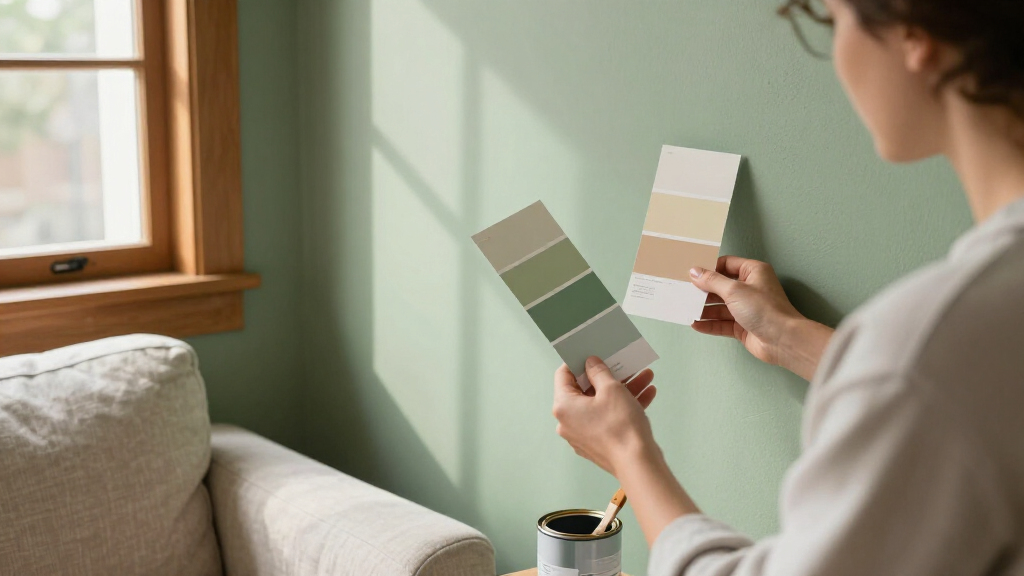
Finally, Lindsay Atapattu of LEB Interiors recommends bringing finalists home, painting samples on the wall and observing them for at least 24 hours. The report says lighting, room direction and existing decor can change how a color appears. Atapattu also suggests stepping away and looking again with fresh eyes.
““A color that looks neutral on a chip can clash the very second it meets honey oak flooring or cool marble.””
— Lisa Quinn, interior designer
What the Advice Cannot Predict
The report offers designers’ recommendations and examples, but it does not cite research comparing this sequence with other ways of choosing paint. It also gives no data on how often choosing paint first leads to extra costs or an unsatisfactory result. The advice is therefore guidance from the quoted designers, rather than a guarantee that following it will prevent a mismatch.
The source does not prescribe a particular sampling method beyond painting finalists on the wall and observing them for at least 24 hours. It does not specify how many samples to test, which wall locations to use, or whether the same approach applies to every room and lighting setup.
Test Finalists at Home
Following the designers’ approach, homeowners can first settle the room’s less changeable finishes and major furnishings, then compare paint candidates against them. The final step described in the report is to bring the shortlisted samples into the room, paint them on a wall and watch how they look across at least 24 hours of changing light.
The report does not identify a further event or scheduled milestone. A final choice remains a homeowner decision based on how the tested colors work with the room’s materials, lighting and decor.
Key Questions
What is the main rule designers recommend?
House Beautiful reports that designers recommend choosing paint after the room’s flooring, counters, cabinets and large furnishings are settled.
Why choose paint after other finishes?
Designers say paint can be easier to change than many furnishings and fixed surfaces. Choosing it early may limit later decor choices, and a color that looks neutral on a chip may clash with materials such as wood flooring or marble.
How should paint samples be tested?
Bring shortlisted colors home, paint them on a wall and observe them in the room for at least 24 hours, as LEB Interiors’ Lindsay Atapattu advises in the report.
What should homeowners look for besides the paint color name?
Lisa Quinn recommends checking undertones, such as whether a shade leans yellow, pink, purple or green. The report also advises considering how lighting, room direction and existing decor affect the sample.
Source: rss
Halloween Picks
halloween
As an affiliate, we earn on qualifying purchases.