
TL;DR

Get business pricing on tools and workshop supplies
- Business-only prices and quantity discounts
- Tax-exempt purchasing
- Multiple users, one account, clear invoices
Essential jobsite gear every foreman should carry includes site-required PPE, a charged communication device, access to current project documents, basic measuring and marking tools, and task-specific items named in the hazard assessment. Keep frequently used gear within reach, inspect it before use, and store bulky or shared equipment where the crew can get it. Your kit supports the site safety plan; it does not replace it.
A dead radio, an outdated drawing, or a cracked pair of safety glasses can slow a crew before the first task is underway. A foreman’s kit is a small control panel for the shift: it helps you communicate, check work, and respond when conditions change.
Essential jobsite gear every foreman should carry depends on the trade, site rules, weather, and the work in front of you. You’ll get a practical starting list here, plus a way to decide what belongs in your pocket or bag and what should stay in the gang box. The goal is simple: keep the right gear ready without hauling a toolbox you rarely open.
Your kit works only when it fits the task and stays in good condition. Follow the project’s safety plan, job hazard analysis, manufacturer instructions, and applicable requirements. PPE is not a substitute for training or safer work methods.
Start with site-required PPE, then add protection based on the hazard assessment and task.
Keep a charged phone or radio and access to the latest approved drawings, permits, and emergency contacts.
Carry compact tools for routine checks; store bulky or specialized equipment where the crew can access it.
Inspect PPE and tools before use, and remove damaged items from service.
Use water and weather gear as part of the site plan, not as a substitute for heat controls or safe work procedures.
Start with PPE that fits the work in front of you
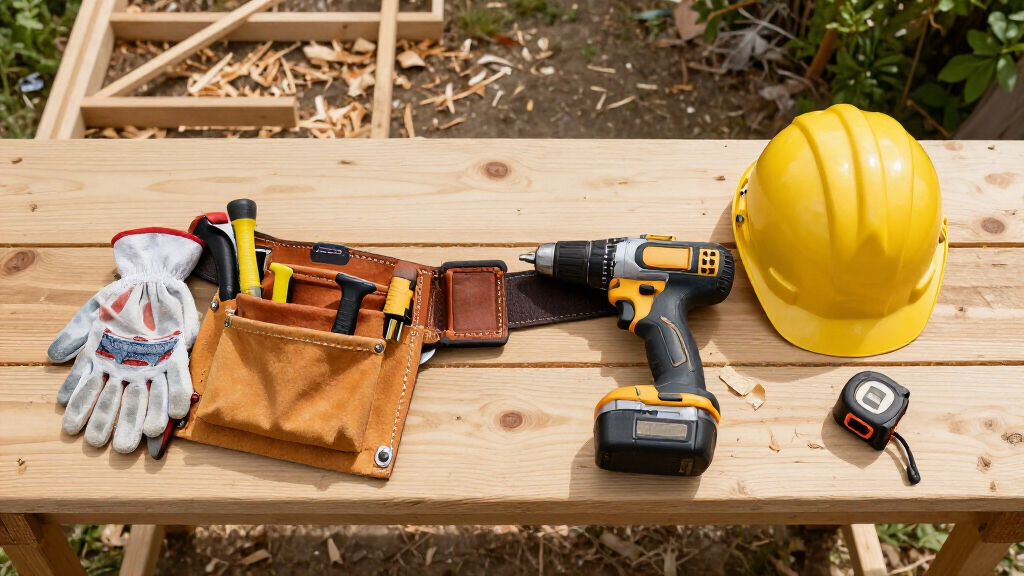
Essential jobsite gear every foreman should carry starts with the PPE required by the site and the hazards you may enter during the shift. Common basics include a hard hat, safety glasses, high-visibility clothing, work gloves, and safety footwear. Add hearing protection, a respirator, or fall-arrest equipment when the hazard assessment and site rules call for it.
Fit matters as much as presence. Glasses that slide down your nose get taken off; gloves that bunch at the fingers make small tasks clumsy. Before you step into a work area, check for cracks, torn straps, dirty lenses, worn soles, or other damage. If an item is defective, take it out of service and follow the site’s replacement process.
Say a crew is cutting material near your walk-through route. Your everyday safety glasses may not meet the task’s eye-protection needs, and hearing protection may also be required. Check the task controls and site rules before entering. Your role is to model the standard and confirm that workers know how to use the protection assigned to them.
Essential jobsite gear is never a one-size-fits-all package. A foreman walking an elevated work area may need different protection from one checking ground-level layout. Let the actual hazards set the loadout, and make sure gear stays usable through the whole shift.
As an affiliate, we earn on qualifying purchases.
Keep communication and current plans within reach
A charged phone or site radio and access to current project documents help you coordinate crews, report hazards, and resolve field questions before they turn into rework. Your device is useful only if it has power, works where you need it, and follows site rules for calls and photography. Carry a charging cable or power bank when practical.
Keep the approved drawings, specifications, permits, inspection checklists, and emergency contacts easy to find. Digital plans are quick to search, but dust, rain, dead batteries, or weak connectivity can interrupt access. Paper may work as a backup where the document-control process allows it. Whatever format you use, confirm that it shows the latest revision.
For example, imagine a crew is laying out a room while a revised drawing changes the location of a doorway. If you pull up an old file, a tape measure and sharp pencil won’t save the work from being laid out wrong. Pause and verify the revision with the approved system before giving direction.
Build a simple handoff into your day: charge the device, check the radio, and open the documents you expect to use. These small habits help keep work moving and make it easier to pass clear instructions to the next crew or shift.
As an affiliate, we earn on qualifying purchases.
Carry a compact kit for checks and small adjustments
A tape measure, marker, level, utility knife, multi-bit screwdriver, pliers, and adjustable wrench cover many routine checks and small adjustments. The right combination depends on the trade and your responsibilities. These items let you verify a dimension, mark a location, or handle a minor approved adjustment without borrowing a worker’s tool mid-task.
Choose tools suited to the work, inspect them before use, and use each one for its intended purpose. A damaged tape hook can throw off a measurement. A loose screwdriver bit can slip. A knife with a worn or exposed blade can create a hazard. Replace or remove defective tools according to site procedures.
Suppose you’re checking a layout before a crew starts installing material. A tape and marker can help you confirm a dimension and flag a discrepancy. If the work needs a laser, square, or trade-specific tool, get the appropriate equipment and follow its instructions rather than improvising with what happens to be in your pouch.
Foreman carry gear should support oversight, not make you the tool source for every worker. Keep frequently used basics accessible; assign or store specialized tools where the crew can get them. That distinction keeps your kit light and lets workers use equipment matched to their task.
construction worker communication radio
As an affiliate, we earn on qualifying purchases.
As an affiliate, we earn on qualifying purchases.
Separate what you carry from what the site shares
A foreman’s kit should hold personal essentials you need throughout the shift, while heavy, specialized, or rarely used equipment belongs in an approved shared location. That could be a gang box, tool station, or another designated area. This split keeps daily items easy to reach without turning your shoulders into a storage rack.
Think of the pouch as your dashboard and the gang box as the garage. Your dashboard holds the controls you touch often; the garage holds equipment you use for specific jobs. A laser may be useful for a layout task but unnecessary during most walk-throughs. A full set of trade tools may belong with the crew or in secured storage, depending on the site plan.
| Personal carry | Shared or stored | Why the split helps |
|---|---|---|
| Required PPE, communication device, tape, marker | Specialty layout tools, bulky tools, spare equipment | Keeps everyday items close and reduces unnecessary load |
| Current document access and emergency contacts | Site first-aid kits, fire extinguishers, eyewash stations | Lets you locate required resources without pretending to replace them |
| Water and weather items suited to the shift | Shared cleanup supplies and approved charging area | Matches personal needs with site procedures |
Before the shift, ask where shared equipment lives and how to check it out. If a worker needs a specialty tool, point them to the approved station and confirm they know how to use it. A lean kit is easier to check, carry, and keep ready.
As an affiliate, we earn on qualifying purchases.
Prepare for weather, low light, and emergency calls
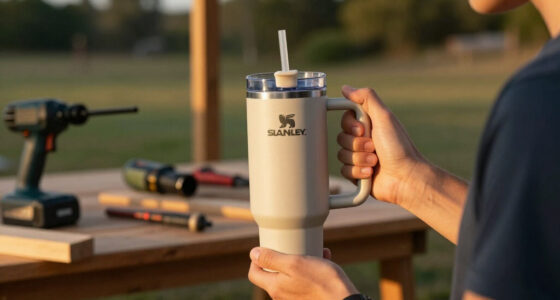
Water, sunscreen, rain protection, and warm layers can help you work safely through changing conditions, but the right mix depends on the forecast, task, and site plan. In hot weather, a water bottle alone does not manage heat risk. Hydration, shade, acclimatization, and work-rest planning all matter, so follow the employer’s heat controls and watch for changes in workers’ condition.
Low light changes what you can see: cords disappear against a dark floor, and a wet stair tread can shine like polished stone. Use lighting suited to the location and task. Keep your phone or radio ready for communication, and know how to contact emergency services through the site’s procedure.
Know where the site’s first-aid kits, fire extinguishers, eyewash, and rescue equipment are located. A small personal first-aid kit can supplement site provisions when the plan allows, but it does not replace required equipment, trained responders, or emergency procedures. Review access routes and emergency contacts before work starts.
For instance, a sudden storm can turn a clear path into a slick one and push a crew toward a sheltered area. Rain gear may keep you dry, but it does not make an unsafe route acceptable. Stop, communicate the hazard, and follow the site’s weather response plan.
Use a five-minute check to keep your kit ready
A short pre-shift check catches dead batteries, damaged PPE, missing documents, and empty water bottles before they slow you down. Every foreman should build the check around the day’s hazards and responsibilities. The list below is a practical routine; site procedures and manufacturer instructions still govern inspections and use.
- Check PPE: Look for cracks, tears, worn soles, dirty lenses, and proper fit. Replace damaged items through the site process.
- Check communication: Charge your phone or radio, confirm it works, and pack a cable or power bank if practical.
- Check documents: Open the current drawings and permits, confirm the revision, and locate emergency contacts.
- Check tools: Inspect your tape, marker, level, and basic hand tools. Remove defective items from service.
- Check conditions: Pack water, sun or rain protection, warm layers, and task-specific gear named in the hazard assessment.
- Check access: Know where shared tools, first aid, extinguishers, eyewash, and emergency equipment are kept.
Picture a Monday morning with a new work area and a forecast calling for afternoon rain. Your check flags an uncharged radio and no rain layer. Fixing both at the gang box takes minutes; discovering them after crews spread across the site costs time and makes coordination harder.
Store items in the same pockets or compartments after each shift. A predictable setup makes hazards easier to spot because you spend less time digging for a tool and more time watching the work. Remove damaged gear promptly, and make sure workers know how to use equipment assigned to them.
Frequently Asked Questions
What should every foreman carry on a jobsite?
Start with required PPE, a charged phone or radio, access to current project information, and basic measuring and marking tools. Add task-specific items named by the hazard assessment and site rules. The exact kit depends on your trade and responsibilities.
What PPE is mandatory for a foreman?
Requirements vary by jurisdiction, employer, task, and site. Follow applicable requirements and the project safety plan, and use additional protection when entering work areas with different hazards. Check fit and condition before use.
Should a foreman carry tools for the whole crew?
Usually, carry a compact set for oversight and routine checks. Store or assign trade-specific and shared tools so workers can access equipment suited to their tasks. Confirm the site’s rules for checkout, storage, and use.
Are digital plans enough, or should I carry paper drawings?
Use the approved document-control process and confirm you have the current revision. Digital plans are convenient, while paper may serve as a backup if the process allows it. Plan for dead batteries, weak connectivity, dust, and site restrictions.
How often should I inspect my gear?
Inspect gear before use and follow manufacturer guidance and site procedures. Remove damaged or defective items from service. For a foreman, a short pre-shift check also helps catch missing batteries, documents, and weather items.
What should I carry for emergencies?
Keep a reliable way to communicate and know the site’s emergency contacts, procedures, access routes, and equipment locations. Know where first-aid kits, fire extinguishers, eyewash, and rescue equipment are kept. Any extra supplies depend on the site plan and your training.
Conclusion
Build your kit around what you actually oversee: fitted PPE, reliable communication, current plans, a few sound checking tools, and the weather or task gear your site requires. Keep shared equipment in its assigned place, and run the same quick check before each shift.
A ready foreman’s kit should feel like a clean dashboard, not a rolling toolbox. Check it before the crew starts, then keep your eyes on the work.
Fall yard work Picks
leaf blowers
As an affiliate, we earn on qualifying purchases.