TL;DR

Get tools and workshop supplies delivered free — and shop member deals
- Fast, free delivery on millions of items
- Access to Prime Big Deal Days deals on October 6–7
- Prime Video, Amazon Music and more included
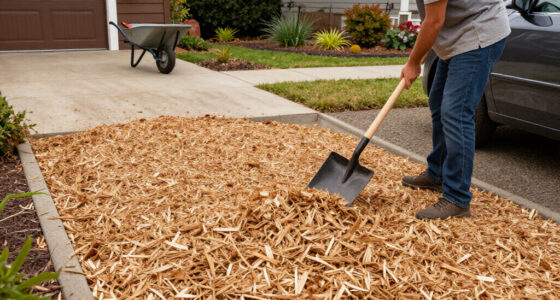
Hunker’s driveway repair guide describes a two-step approach to asphalt cracks: clean debris from the crack, then apply an appropriate asphalt filler and let it cure. Large cracks with missing asphalt may need patch material, and product directions, weather and low traffic during curing matter.
Hunker’s driveway repair guide sets out a two-step method for treating cracks in asphalt: remove loose material and debris, then fill the cleaned crack with an asphalt repair product. The guidance matters to homeowners because untreated cracks can worsen, but the article cautions that large gaps with missing asphalt may require patching instead of standard crack filler.
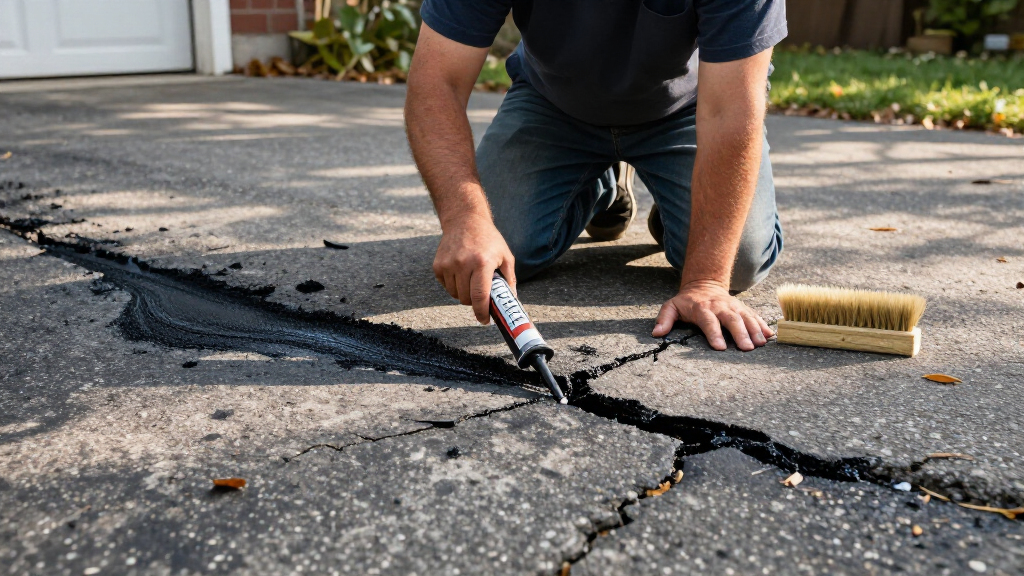
The first step is to clean the crack thoroughly. Hunker recommends using a brush, screwdriver or similar tool to remove pebbles, loose asphalt and plant growth. A leaf blower or vacuum can then clear remaining dust and debris. Cleaning helps the filler adhere and can reveal the crack’s actual width and condition, which may be obscured by dirt or loose fragments.
The second step is to apply asphalt crack filler according to the product’s instructions. Hunker notes that products can come in different forms, including caulking-style tubes, roll-on or spray products, and pourable fillers. Apply the material slowly so it enters the crack rather than resting only on the surface. Wider cracks may need to be filled in layers; excess material can be smoothed with a putty knife or similar tool.
After application, the repair must dry and cure fully before the driveway is used. The source says curing can take at least a day or two, depending on the product and conditions, and recommends choosing a period with little traffic and no rain. Hunker advises wearing gloves to avoid direct contact with filler and following the chosen product’s directions closely.
Choosing the Right Repair for the Damage
Cracks can allow water and debris into an asphalt surface, and the Hunker guide warns that damage may worsen relatively quickly. Addressing a suitable crack with filler can be a manageable maintenance task, but the repair is not a universal fix: filler is intended for cracks, not necessarily missing sections of pavement. Treating a larger break with the wrong product may fail to address the damaged area.
The guidance also highlights practical planning. Since curing may take a day or two, residents need to keep vehicles and other traffic off the repair and avoid applying filler when rain is expected. Filler color can also affect the driveway’s appearance; Hunker suggests matching it to the existing asphalt where possible. The source says repairs may last a couple of years, but they do not prevent new cracks elsewhere.
As an affiliate, we earn on qualifying purchases.
When Crack Filler May Not Be Enough
The source distinguishes ordinary cracks from damage that includes substantial width or missing chunks of asphalt. In the latter case, it says an asphalt patch may be needed. Cleaning remains part of preparation, but the application and drying process can differ from those for crack filler, so instructions for the specific patch product should guide the work.
Hunker’s method is a general homeowner guide, not a site-specific inspection or guarantee of repair life. The material does not identify a particular filler brand, provide measurements for deciding when a crack is too large for filler, or account for every climate and driveway condition. It advises readers to follow product directions and notes that more durable driveway alternatives may be worth examining if repeated crack repairs become burdensome.
““First, you clean the crack, and then you fill it with an asphalt filler.””
— Hunker repair guide
As an affiliate, we earn on qualifying purchases.
Damage Size and Cure Conditions Vary
The source does not give a precise width or depth at which a crack should be treated as a patching job, so the right repair depends on the damage and the product’s stated uses. It also does not set one guaranteed curing time: the guide says filler may need at least a day or two, but the specific product label and conditions should determine when the driveway can be used.
No inspection findings, cost estimates or product tests are included in the supplied material. It is also unclear how long a particular repair will last at an individual property. Hunker gives a general estimate that fillers can last a couple of years, while noting that new cracks can still form elsewhere.
As an affiliate, we earn on qualifying purchases.
Prepare for a Dry, Low-Traffic Window
Before starting, homeowners should assess whether the damage is a crack suitable for filler or a larger area with missing asphalt, then select a compatible product and read its full instructions. Plan the work for dry weather and a period with little driveway traffic, and keep the repaired area unused until the product has cured as directed.
After curing, the repair can be checked for areas that did not fill as intended. The guide does not describe a formal inspection schedule or promise that the repair will prevent future damage. If cracks recur frequently or the surface has more extensive deterioration, Hunker suggests considering whether a more durable driveway material would better fit the property’s climate and use.
As an affiliate, we earn on qualifying purchases.
Key Questions
What are the two steps for fixing an asphalt driveway crack?
Clean the crack to remove loose asphalt, plants and debris, then fill it with an asphalt crack repair product following its instructions.
Can every asphalt crack be repaired with filler?
No. Hunker says a crack that is significantly large and missing chunks of asphalt may need an asphalt patch rather than standard crack filler. The source does not specify a precise size threshold.
How long should the repair take to cure?
The guide says asphalt fillers can take at least a day or two to cure. Follow the selected product’s label for its specific timing and conditions, and keep traffic off the repair until it is ready.
When should I apply asphalt crack filler?
Choose a period with no rain expected and little driveway traffic. Hunker recommends allowing the filler to dry completely before using the driveway.
Will filling a crack stop new driveway cracks?
No. The guide says filler may last a couple of years, but it will not prevent new cracks from appearing elsewhere on the driveway.
Source: rss
Fall Picks
fall essentials
As an affiliate, we earn on qualifying purchases.