
TL;DR

Get business pricing on tools and workshop supplies
- Business-only prices and quantity discounts
- Tax-exempt purchasing
- Multiple users, one account, clear invoices
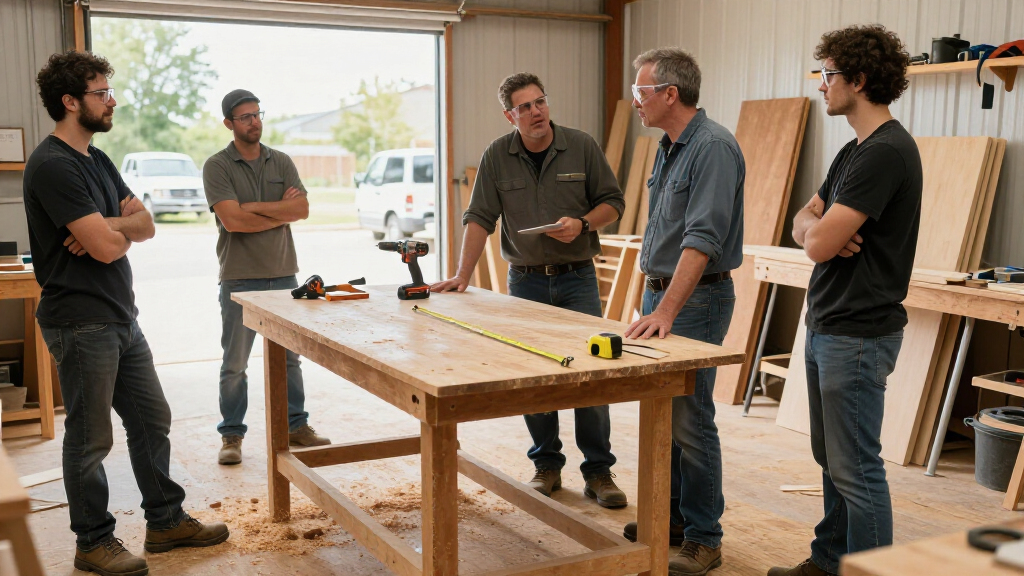
Handling disciplinary issues effectively on site requires clear policies, consistent enforcement, good communication, thorough documentation, and a step-by-step approach. Using these methods reduces conflicts and boosts safety.
Discipline on a construction site isn’t just about punishing bad behavior. It’s about creating a safe, productive environment where everyone knows what’s expected—and what happens if they don’t meet those expectations.
When discipline slips, so does safety, morale, and project timelines. But handling issues the right way isn’t always straightforward. It takes clear policies, fair enforcement, and good communication. Otherwise, you risk losing respect, inviting legal trouble, or just letting problems fester.
This guide cuts through the noise. You’ll learn practical, no-nonsense methods to address misconduct, from minor slips to repeated violations. Expect real-world examples, simple steps, and tips you can put into action today. Because on site, discipline isn’t just a rule—it’s a tool for safety and teamwork.
Clear, written policies set the foundation for fair discipline and reduce misunderstandings.
Consistent enforcement of rules builds trust and prevents claims of favoritism.
Address misconduct immediately and privately to prevent escalation.
Thorough documentation protects you legally and clarifies expectations.
A step-by-step progressive discipline process encourages improvement and reduces risks.
Set Clear Rules Before Problems Start
The first step to handling disciplinary issues is setting clear rules—and making sure everyone understands them. This isn’t just a poster on the wall. It’s a detailed code of conduct that spells out what’s acceptable and what’s not.
For example, define safety protocols, punctuality standards, and behavior expectations. When a new worker joins, walk them through these rules. Use simple language, avoid jargon, and be specific. Instead of saying, “Be safe,” say, “Wear your hard hat, safety glasses, and steel-toed boots at all times.”
Document these policies and review them regularly. When everyone knows the rules, it’s easier to hold them accountable later. Plus, clear expectations reduce misunderstandings and set a standard for behavior. It’s like laying a foundation—if it’s solid, the rest of the structure holds better.
Popular right now

KitchenAid Artisan 5-Qt Tilt-Head Stand Mixer – Dried Rose (KSM150PS)

De'Longhi Magnifica XS ECAM22110B Automatic Espresso Machine

KitchenAid Artisan 5-Quart Tilt-Head Stand Mixer, Almond Cream
As an affiliate, we earn on qualifying purchases.
Apply Rules Fairly and Consistently — No Exceptions
Disciplinary issues spiral when rules are enforced unevenly. If some workers get away with violations and others don’t, trust erodes fast. Consistency is your best weapon against favoritism and claims of unfair treatment.
For instance, if you issue a verbal warning to one worker for being late, you must do the same for everyone else caught in the same behavior. Document each incident, so your actions are backed by facts. This way, when it’s time for a formal warning or even termination, you have a clear trail of evidence.
Remember, consistency doesn’t mean rigidity. Sometimes, context matters. A worker who’s late once due to an emergency might deserve a different response than someone habitually skipping shifts. But overall, applying rules evenly keeps your team feeling fair and respected.
In practice, hold regular meetings to review policies and remind everyone of expectations. When workers see enforcement is fair, they’re less likely to push boundaries.
Address Issues Quickly and Privately
The moment you spot misconduct, address it immediately—preferably in private. Public confrontations can embarrass workers and escalate tensions. A quick, discreet chat shows you’re serious but fair.
Imagine a crew member repeatedly ignoring safety gear. Instead of calling them out in front of everyone, pull them aside. Say, “I noticed you’re not wearing your safety glasses. That’s a risk, and it’s against our rules.” Keep your tone calm, factual, and respectful.
This approach prevents the issue from snowballing. It also gives the worker a chance to explain or admit the mistake. Sometimes, miscommunications or personal issues cause behavior lapses. Listening actively shows you care about their side, which builds trust.
Timely, private conversations are more effective than waiting for a formal review. They reinforce that discipline is about safety and standards, not personal punishment.
Use Documentation to Protect and Clarify
Good documentation is the backbone of effective discipline. When you record incidents, warnings, and actions taken, you create a paper trail that protects you legally and clarifies expectations.
For example, after a verbal warning, note the date, what was discussed, and any commitments made. Follow up with a written warning if behavior doesn’t improve. Keep all records in a dedicated file or digital system.
This isn’t about piling on paperwork. It’s about having facts ready if a dispute arises or if you need to escalate. In a real-world scenario, a worker disputes a termination. Your detailed records show you followed the process fairly and consistently.
Be objective. Stick to facts—times, dates, behaviors—without emotional language. This keeps your documentation credible and useful.
Proper records also help track patterns. If a worker repeatedly violates safety protocols, you can see the trend and decide on appropriate steps.
Implement a Step-by-Step Disciplinary Process
Progressive discipline is your best approach for handling repeated or serious misconduct. It’s a clear, step-by-step process that guides both you and the worker. Think of it as a ladder—each rung offers a chance to improve before more severe action.
Start with a verbal warning. If behavior continues, move to a written warning. Next could be suspension, and finally, termination if nothing changes. Each step should be documented and communicated clearly.
For example, a worker caught smoking in a restricted area gets a verbal warning first. If they do it again, you give a written warning, explaining the risks and consequences. Repeating the violation might lead to suspension or even termination.
This method shows fairness. It gives workers time and opportunity to correct their behavior, reducing the risk of legal claims or resentment. It also clarifies expectations and consequences.
In practice, communicate each step clearly. Let workers know what’s coming if they don’t improve, so they understand the stakes.
Train Supervisors in Conflict and Discipline Skills
Handling discipline well requires more than just rules. Supervisors need training in conflict resolution, active listening, and emotional intelligence. This boosts their confidence and effectiveness.
For example, a supervisor trained in conflict resolution can de-escalate a heated argument between workers, turning it into a productive conversation. They learn to listen without interrupting, acknowledge feelings, and find common ground.
Training also covers legal considerations. Supervisors must avoid discriminatory language or actions. For instance, they should recognize unconscious bias that might influence discipline decisions.
Regular refresher courses and role-playing scenarios help embed these skills. When supervisors handle issues professionally, it creates a culture of respect and safety.
Investing in training reduces the chance of costly legal disputes and improves team cohesion. It’s an investment in your leadership—and your project’s success.
Frequently Asked Questions
How can I discipline employees without risking legal trouble?
Always follow your written policies and ensure enforcement is consistent and fair. Document every incident and warning, and keep records objective. If in doubt, consult with HR or legal counsel before taking serious action.What’s the best way to document disciplinary issues?
Use a simple incident report form. Record date, time, behavior, what was said, and any warnings issued. Keep copies in a dedicated file or digital system. Be factual, avoid emotional language, and update records promptly.How do I handle repeat offenders effectively?
Use a progressive discipline approach. Issue escalating warnings, and if behavior persists, consider suspension or termination. Communicate clearly about consequences at each step and keep detailed records.What if an employee disputes a disciplinary action?
Listen carefully and review your documentation. Offer a private meeting to discuss their side. If your process was fair and consistent, stand firm. Consider involving HR if needed, and always keep records of the dispute.How do I keep morale high while enforcing discipline?
Be transparent about rules and consequences. Focus on safety and teamwork, not punishment. Recognize good behavior publicly, and treat everyone with respect. Fairness and open communication go a long way.Conclusion
Handling disciplinary issues isn’t about punishment—it’s about creating a safe, fair environment where everyone knows the rules and feels respected. When you set clear standards, enforce them evenly, and communicate effectively, discipline becomes a tool for safety and teamwork, not conflict.
Remember, consistency and fairness build trust. When workers see you’re fair and transparent, they’re more likely to follow rules and take responsibility. Discipline isn’t just about correcting mistakes—it’s about building a stronger, safer crew that works together toward common goals.
Keep your policies simple, document everything, and train your team. That’s how you turn discipline from a headache into a strength on site. Now, go out and lead with confidence—your crew will thank you for it.