
TL;DR

Get business pricing on tools and workshop supplies
- Business-only prices and quantity discounts
- Tax-exempt purchasing
- Multiple users, one account, clear invoices
Cold stress can affect construction workers in freezing weather and in cold, wet conditions above freezing. Wind, damp clothing, hard work, and long exposure can sap warmth and coordination, so crews need adjustable layers, dry shelter, weather-based work plans, buddy checks, and a fast response to symptoms.
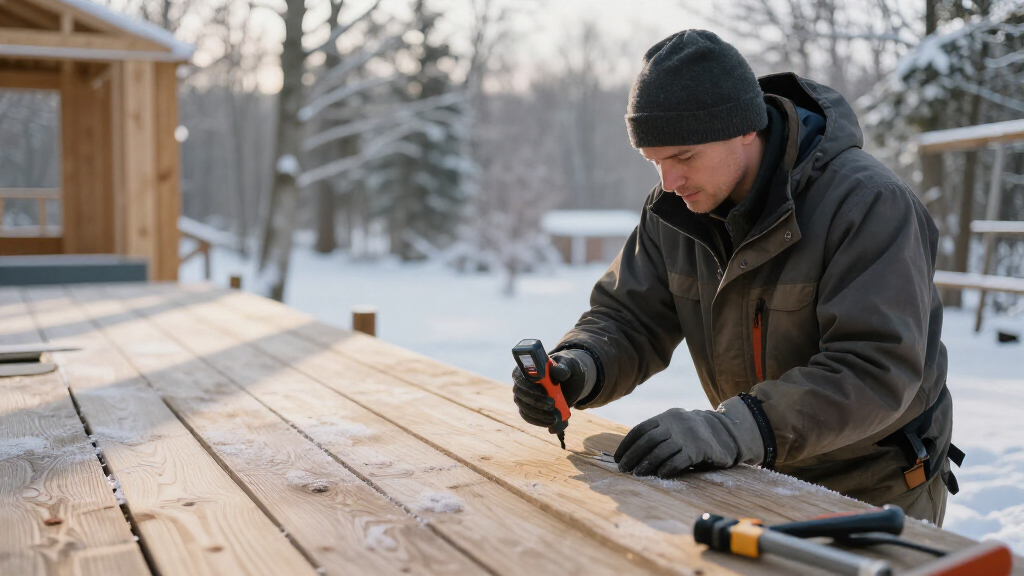
A worker can lose safe control of a tool before anyone notices how cold he is. Numb fingers, wet gloves, and a stiff grip can turn a routine fastening job into a dropped tool or a missed step.
Winter construction brings more than uncomfortable temperatures. Wind, wet clothing, sweat, and long stretches outdoors can combine to impair judgment and coordination. Cold stress can also lead to frostbite, hypothermia, and other injuries. You need a plan that changes with the weather and the work.
This guide explains how to spot the hazards, set up practical clothing and warm-up routines, and respond when someone shows symptoms. You’ll see why a damp 38°F day can pose a real risk, how to keep gear compatible with required PPE, and what to do when a worker’s speech or coordination changes.
Judge cold exposure by wind, wetness, task duration, clothing, activity, and worker response, not air temperature alone.
Treat confusion, slurred speech, severe weakness, or poor coordination as urgent warning signs; move the worker to warmth and get medical help.
Use adjustable layers, dry replacement gear, and PPE checks to control sweat and keep workers warm without limiting movement or tool control.
Set warm-up breaks, task rotations, and site checks for the conditions and work; reassess when weather or exposure changes.
Use buddy checks and supervisor contact plans so workers can report symptoms early and never face cold stress alone.
Managing Cold Stress Risks During Winter Construction Projects
Cold stress can undermine safe work in freezing weather and on cold, wet days above freezing. Wind, damp clothing, exertion and long exposure drain warmth and coordination. Plan for changing conditions, protect workers’ ability to move and grip, and act early when symptoms appear.
There is no single air-temperature cutoff for cold stress.
Wind, moisture, time, clothing and the task all change risk.Cold risk is a moving target
A thermometer gives one number, but it cannot show whether a worker is wet, exposed to wind, sweating through layers or standing still after hard work. Assess the whole shift and the person doing it.
Wind + wetness
Wind speeds heat loss from exposed skin. Rain, snow, sweat and damp gloves or boots pull warmth from the body even above freezing.
Effort + waiting
Heavy work can soak clothing with sweat; a pause or lift delay then chills the worker. Task duration and sheltered downtime matter.
Health + response
Fatigue, missed meals, dehydration, health and acclimatization affect risk. Watch worker response instead of treating a forecast as permission to continue.
Example: A windy 35°F siding task can expose a crew differently from sheltered, dry work at the same temperature. Check actual site conditions and reassess when weather or exposure changes.
Know the signs. Stop and respond early.
Symptoms can impair judgment and movement at the same time. A buddy may notice changes that a worker misses, especially when numb hands make a routine task unsafe.
Hypothermia warning signs
Intense shivering, fatigue, confusion, slurred speech or poor coordination. Severe hypothermia is a medical emergency.
Frostbite warning signs
Numbness, pale or waxy-looking skin, and loss of feeling. Fingers, toes, ears, nose and cheeks are common targets.
Nonfreezing injury
Prolonged exposure can cause trench foot and other injury above 32°F. Wet socks and boots need prompt attention.
Grip, balance, reaction
Cold can reduce dexterity, strength and alertness, raising risk during tool use, ladder work, vehicle operation and material handling.
Urgent: Confusion, altered speech, severe weakness or loss of coordination calls for immediate action. Move the worker to a warm, dry place, get medical help and keep someone with them.
Build a layer system that works with the task
Adjust insulation as activity changes. Keep sweat away from skin, preserve warmth during pauses and make sure winter gear works with required PPE and safe tool control.
Base
Choose a moisture-wicking layer. Avoid cotton next to skin when it may get wet.
Insulate
Add a middle layer that retains warmth and can be adjusted during the shift.
Block weather
Use an outer layer that protects against wind and precipitation.
Keep it dry
Provide dry replacement clothing, gloves and footwear; change damp gear promptly.
Check the fit
Confirm gloves allow secure grip and all required PPE still fits and functions.
Match work controls to conditions
Break frequency should reflect the weather, exposure and task—not a one-size schedule. Supervisors should check conditions through the shift and change the plan when they change.
| Site condition | Practical control | Check the result |
|---|---|---|
| Wind or falling temperature | Limit severe exposure; rotate exposed tasks; reassess the schedule | Workers stay warm and alert |
| Wet clothing or footwear | Provide dry shelter, replacement gear and warm drinks | No prolonged damp exposure |
| Snow or ice on access routes | Clear walkways, ladders, scaffolds and platforms; check lighting | Safe footing and visibility |
| Snow-covered ground or openings | Inspect for hidden debris, uneven ground and uncovered openings | Recheck as snow shifts |
| Cold equipment or vehicle surfaces | Check batteries, materials, vehicle performance and safe access | Confirm before operation |
| Temporary heating | Use fuel-burning heaters only with appropriate safeguards and ventilation | Never use in enclosed, poorly ventilated spaces |
A five-step cold-shift routine
Use this short loop before work and repeat it whenever conditions, tasks or worker response change.
Read conditions
Review the forecast, then check wind, precipitation, shade and wet work at the site.
Match task and gear
Consider duration, activity, clothing, PPE fit, dry replacements and shelter access.
Warm and rotate
Set condition-based warm-up breaks and rotate exposed tasks when needed.
Check people and site
Use buddy checks; keep access routes clear and confirm workers can report symptoms.
Stop and adapt
Change the work plan if weather worsens, gear gets wet or symptoms appear.
Speak up early
Reporting symptoms and calling a warm-up are safety actions, never a weakness.
Why Cold Stress Can Start Before the Thermometer Looks Extreme
Cold stress is harmful heat loss that affects a worker’s body and ability to work safely. It can develop in below-freezing weather, but cold rain and wind can also create danger above freezing. A thermometer gives you one number; it does not show how wet the worker is, how hard the wind blows, or how long the task will last. Those missing details determine how quickly a worker loses heat and whether they can keep doing precise work safely.
Wind pulls heat from exposed skin faster, while snow, rain, sweat, and damp gloves rob warmth from clothing. A worker hauling lumber may sweat through a base layer, then cool rapidly while waiting for a lift. That shift from hard exertion to standing still can catch someone off guard: clothing chosen to stay comfortable during heavy work may not keep them warm during a delay. Fatigue, dehydration, and missed meals can also weaken attention, making it harder to notice symptoms or make sound decisions.
Wind chill helps describe how quickly exposed skin loses heat in wind. It does not lower the actual air temperature, and it cannot describe every worksite risk. For example, a crew installing siding on a windy 35°F day may face a different exposure than a crew in a sheltered, dry area at the same temperature. Check forecasts and actual site conditions, then account for task duration, clothing, activity, and worker response. Forecasts help with preparation, but site checks matter because wind, shade, and wet work can vary across the job.
There is no single temperature cutoff that makes every task safe or unsafe. A new worker, a person in wet boots, and a worker on an exposed platform may need closer attention than someone doing active work in a dry, sheltered area. This means the supervisor must use conditions and worker response to guide decisions, rather than treating a number as permission to continue. Managing cold stress starts with the full picture, not the thermometer alone.
winter construction work gloves waterproof
As an affiliate, we earn on qualifying purchases.
As an affiliate, we earn on qualifying purchases.
Know Which Symptoms Need a Fast Response
Take confusion, slurred speech, or poor coordination seriously and act at once. These can be signs of hypothermia, a dangerous drop in body temperature. Workers may also shiver hard, feel very tired, or struggle to follow instructions. Severe hypothermia is a medical emergency, and an affected worker should not be left alone. These changes matter because they can interfere with judgment and movement at the same time: the person may not recognize their own decline or be able to reach shelter safely.
Frostbite happens when skin and underlying tissue freeze. Fingers, toes, ears, nose, and cheeks are common targets. Watch for numbness, pale or waxy-looking skin, and loss of feeling. A worker may not notice that the tips of his fingers have gone numb until he drops a wrench or cannot fasten a clip. Numbness is therefore both a possible injury sign and an immediate work-control problem; stop fine hand work and assess the worker rather than asking them to push through it.
Cold injury does not always require freezing weather. Trench foot and other nonfreezing cold injuries can follow long exposure to cold, wet conditions, including temperatures above 32°F. A laborer working in soaked boots during a rainy, chilly excavation may face a problem even when ice never forms. Wet socks and boots need attention, not a shrug. Keeping feet dry can interrupt prolonged exposure, while leaving wet footwear on can make a seemingly mild shift more harmful over time.
Cold also makes everyday construction hazards harder to control. Stiff hands reduce grip and dexterity; sluggish reaction time can make ladder use, equipment operation, and material handling less safe. That is one reason risks during winter can become more than uncomfortable. A buddy may catch changes in speech, balance, or behavior that the worker misses or tries to hide. Tell workers to report symptoms early, and make clear that calling a warm-up is a safety action, not a sign of weakness. Early action is useful because it allows a task change or warming before symptoms become a medical emergency.
Warning: Confusion, altered speech, severe weakness, or loss of coordination calls for urgent help. Move the worker to a warm, dry place and get medical assistance. Keep someone with them while help is on the way.
adjustable thermal layering clothing for construction
As an affiliate, we earn on qualifying purchases.
As an affiliate, we earn on qualifying purchases.
Build a Layering System That Stays Warm Without Trapping Sweat
Dress in adjustable layers that move moisture away from skin, hold warmth, and block wind and precipitation. A workable setup often has a moisture-wicking base layer, an insulating middle layer, and a protective outer layer. Workers can add or remove layers as their pace and exposure change. This adjustability matters because insulation that is comfortable during a pause may trap too much heat during heavy work, leaving sweat to cool the worker later.
Think of a crew member moving concrete forms by hand. He may need less insulation while carrying heavy loads, then a warmer layer when he pauses to wait for the next truck. If he keeps a heavy coat on through the hard work, sweat can soak his shirt. Once he stops, the damp fabric pulls heat away. A dry spare base layer and a sheltered place to change can prevent that sweat-chill cycle. The practical tradeoff is to manage warmth through layers and timing, rather than relying on one heavy garment for every part of the shift.
Avoid cotton next to the skin when it is likely to get wet; it holds moisture. Use dry, insulated gloves and footwear suited to the task, and replace damp items promptly. Gloves need to protect hands without making it impossible to grip tools or operate controls. Boots should keep feet warm and dry while still fitting safely with required equipment. A glove that is warm but prevents a secure grip can create a different hazard, so workers should be able to perform the actual task in their chosen gear.
Check the whole PPE setup before work. Winter clothing must not interfere with hard hats, eye protection, high-visibility clothing, respirators, hearing protection, or fall protection. A bulky coat can change how a fall-arrest harness fits, and thick gloves can make a small tool unsafe to handle. Have workers test their range of movement and grip while wearing the layers and PPE they will use on site. If the fit or control is compromised, adjust the clothing or equipment before exposure begins; warmth does not compensate for PPE that no longer functions correctly.
- Base: Wicking fabric next to the skin.
- Middle: Insulation workers can adjust as activity changes.
- Outer: Protection from wind, rain, and snow.
- Spare: Dry socks, gloves, and clothing for wet gear.
As an affiliate, we earn on qualifying purchases.
Set Warm-Up Breaks Around the Work and the Weather
Schedule recovery time based on exposure, workload, and worker response. One break schedule will not fit every crew or every winter day. A sheltered, dry warm-up area, warm drinks, and enough time to change wet clothing can help workers recover before cold stress worsens. Breaks are a control for accumulated exposure, so their timing should reflect how quickly the task is cooling workers and whether they can actually get dry and warm during the break.
For example, a crew setting rebar on an open deck may face wind and repeated pauses while equipment moves. A crew doing steady, sheltered interior work may have a different exposure, even at the same outdoor temperature. Set the plan for the work being done. If wind picks up, precipitation starts, or workers report numb hands, shorten exposed periods and reassess the task. A planned schedule is a starting point; changing conditions or symptoms are reasons to adjust it sooner.
Work rotation helps limit time spent on a highly exposed task, but rotation only works when the next job does not create another cold hazard. Keep workers moving safely without forcing them to work so hard that they sweat through their layers. Provide drinking water and food breaks as well as warm shelter; cold and exertion can make people overlook thirst and fatigue. Rotation spreads exposure only if the alternate task provides meaningful recovery, so check the conditions at each work area instead of assuming that a change of task equals a warm-up.
Keep walking paths, ladders, scaffolds, and platforms clear of snow and ice. Check lighting, access routes, and vehicle surfaces, since dark mornings and slippery steps can add fall and traffic hazards. Portable heaters or heated shelters need careful setup. Follow the equipment instructions, keep required clearances, address fire risk, and provide appropriate ventilation. Never run fuel-burning equipment in an enclosed or poorly ventilated space without safeguards against carbon monoxide. A warm shelter is useful only when workers can use it without creating a separate fire, ventilation, or access hazard.
portable dry shelter for construction sites
As an affiliate, we earn on qualifying purchases.
As an affiliate, we earn on qualifying purchases.
Use This Five-Step Check Before and During a Cold Shift
A short site check helps you turn changing winter conditions into clear work decisions. Use it at the start of the shift, then repeat it when weather, location, or tasks change. A forecast from dawn may not describe the conditions your crew faces after lunch. Rechecking gives supervisors a chance to connect exposure information to specific controls before a worker’s performance shows that the plan is failing.
- Check conditions: Review the forecast and measure or observe site wind, precipitation, temperature, and exposure. Note open decks, shaded areas, and wet work zones.
- Match controls to the task: Decide whether to shorten exposed work, rotate tasks, add warm-up periods, or pause work. Consider climbing, lifts, vehicle operation, and fine hand work separately.
- Check clothing and PPE: Confirm workers have dry layers, gloves, and footwear. Verify that layers still allow safe movement, tool control, visibility, and fall protection.
- Set the check-in plan: Pair workers or set regular supervisor check-ins for exposed tasks. Tell everyone who to contact and where the warm shelter is.
- Reassess and record changes: When wind rises or wet clothing appears, adjust the plan and communicate the change. Stop work if conditions make a task unsafe.
Imagine a morning forecast that calls for light snow, but gusts strengthen while a crew works on a scaffold. The foreman checks workers’ gloves, clears the platform, and moves the most exposed task to a sheltered area while the crew warms up. That decision addresses both cold exposure and fall risk. A fixed seasonal plan may miss the shift; an active check catches it. The example shows why controls should respond to the combined hazards: warming workers alone would not make an icy platform safe to use.
Some employers are exploring connected check-ins and wearable sensors to track exposure or alert supervisors when someone misses a check. Those tools may support communication, but they do not replace direct supervision, a buddy system, or a worker speaking up. Use technology as an extra signal, not as proof that everyone is safe. A missed alert can indicate a need to check on someone, while a normal reading cannot show every problem with wet clothing, grip, judgment, or a changing task.
Train the Crew to Speak Up and Help a Cold Worker
Every worker should know how to report cold stress, and every supervisor should know when to stop work and get help. Train crews to watch for intense shivering, confusion, slurred speech, numbness, pale skin, fatigue, and clumsy movement. Workers need a clear way to alert someone without worrying that a report will be treated as complaining. That clarity matters because symptoms can impair judgment, and workers may otherwise minimize them to avoid delaying the crew.
Use a quick toolbox talk before a stretch of cold work. Point out the warm-up area, name the supervisor to contact, and review how the crew will check on each other. For a practical example, ask workers to pair up before an exposed lift operation. Each person watches for a change in the other’s speech, balance, or hand control during the task. Naming the contact and location ahead of time reduces hesitation when a worker needs help or a task must stop.
If a worker shows symptoms, move them to warmth and shelter, remove wet clothing when practical, and get medical help for serious symptoms or symptoms that do not improve. Stay with the worker. Do not send someone with confusion or poor coordination to walk alone across a site or drive themselves. Follow your emergency plan and the direction of medical responders. The worker’s impaired coordination can make an ordinary walk or drive dangerous, so getting help and supervision is part of the response, not an optional extra.
Pay extra attention to new or unacclimatized workers, anyone in wet clothing, and workers who may have health conditions that increase their risk. Anyone can develop cold stress, though. Make buddy checks routine for the whole crew, especially during sudden weather swings or extended outdoor work. Early reporting gives you more options: a warm room, dry gloves, a task change, or medical care before the situation worsens. Treating a report as useful information also helps the crew correct the exposure that may affect others doing the same work.
Adjust the Plan When Winter Conditions Turn
Review the cold-weather plan whenever the forecast, wind, precipitation, work area, or task changes. Winter conditions rarely stay uniform across a large site. One crew may be sheltered between buildings while another works on an open roof or deck. A single site-wide assumption can miss a local exposure problem. Local checks help direct controls where they are needed, instead of applying the same work limits to crews facing very different conditions.
Snow can hide holes, debris, and uneven ground. Ice can make a ladder landing or scaffold plank slick. Cold can also affect batteries, equipment, materials, and vehicle performance, so operators should follow equipment guidance and report problems before a breakdown creates a hazard. Check that vehicle steps and access surfaces are clear, and keep travel paths visible. These checks matter alongside worker warmth because a cold-related loss of dexterity or a slippery route can compound equipment and fall risks.
Weather swings make a calendar-based plan less reliable. A mild afternoon can turn wet and windy; a clear morning can leave a shaded access route icy. Suppose a delivery crew finishes unloading in snow, then waits outside for the next truck. Their activity drops, clothing stays damp, and the exposure changes even though the work location has not moved. Recheck the crew, rotate the task, and offer a dry warm-up. The example illustrates that exposure depends on what workers are doing and wearing as conditions shift, not just the temperature recorded at the start of the shift.
Federal OSHA does not set one temperature limit that covers every cold-stress situation in construction. Requirements and guidance can vary by jurisdiction, so check applicable federal, state, and local rules and consult your occupational safety authority. Keep the plan specific to actual work and site conditions. Reviewing it after a change helps you catch the hazards that a fixed seasonal checklist cannot. The plan should support judgment and timely adjustment, rather than implying that one threshold or calendar rule guarantees safe work.
Frequently Asked Questions
At what temperature does cold stress become dangerous?
There is no single temperature cutoff. Wind, wet clothing, exposure time, exertion, clothing, and individual health all affect risk. A wet, windy day above freezing can still create a serious exposure problem.
What is the difference between wind chill and air temperature?
Air temperature measures how warm or cold the air is; wind chill describes how quickly wind increases heat loss from exposed skin. Wind chill does not change the actual air temperature. Use it as one exposure cue alongside wetness, work duration, and shelter.
How often should construction workers take warm-up breaks?
Set breaks to match the conditions and the work. Consider wind, precipitation, task intensity, clothing, and how workers respond, then adjust the schedule if conditions worsen. A site-specific plan is more useful than a fixed interval applied to every task.
Can hypothermia happen when it is above freezing?
Yes. Cold rain, wind, wet clothing, and long exposure can cause dangerous heat loss even when the air temperature is above freezing. A soaked worker waiting outdoors after strenuous work needs prompt attention.
What should I do when a worker shows signs of cold stress?
Move the worker to a warm, dry place and get help for serious or persistent symptoms. Keep someone with them, remove wet clothing when practical, and follow your emergency response plan. Confusion, altered speech, or poor coordination needs urgent attention.
Are portable heaters or heated tents safe on a jobsite?
They can provide warmth when selected and operated correctly. Follow equipment instructions, maintain clearances, address fire risks, and provide appropriate ventilation. Do not use fuel-burning equipment in an enclosed or poorly ventilated space without safeguards against carbon monoxide.
Does OSHA set one cold-stress temperature limit for construction?
Federal OSHA does not set one temperature threshold that covers all cold-stress situations in construction. Check applicable federal, state, and local requirements and follow recognized safety guidance for your site and tasks.
Conclusion
Build your winter plan around changing exposure. Check the weather and work area, keep workers dry, schedule recovery, and train the crew to act on early symptoms. When someone’s speech or coordination changes, stop the task and get help.
A cold shift can turn fast: wet gloves, a gust across an open deck, one missed step. A good crew notices the change, warms up, and makes the next move safely.
Evergreen bestsellers Picks
bestsellers
As an affiliate, we earn on qualifying purchases.