
TL;DR

Get business pricing on tools and workshop supplies
- Business-only prices and quantity discounts
- Tax-exempt purchasing
- Multiple users, one account, clear invoices
PPE checks are short, specific inspections workers perform before using gear to confirm it suits the task and shows no damage, contamination, or missing parts. Build them into the start of work, train workers on equipment-specific checks, and have a clear process for reporting defects and getting replacements. Checks support hazard controls; they do not make an unsafe task safe by themselves.
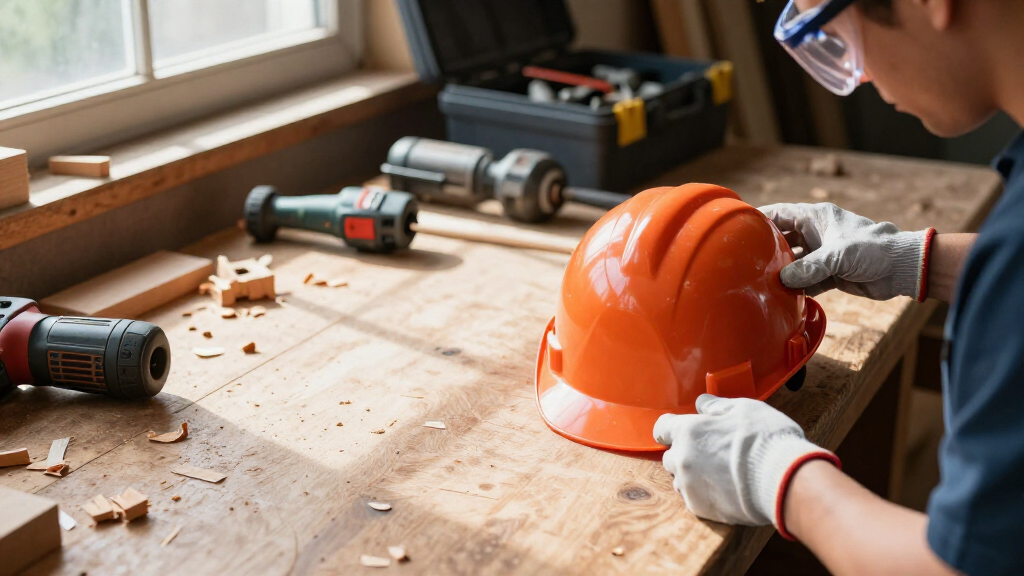
A hard hat can look fine from the ground and still hide a cracked shell, a damaged suspension, or a defect left after a rough drop. The same goes for a frayed harness strap tucked beneath a vest or a respirator seal that does not sit flat against your face. A quick, specific PPE check before use can catch problems while there is still time to fix them.
This guide shows you how to make implementing PPE checks as a routine safety measure work on a real jobsite: match gear to the hazard, give workers concrete inspection steps, and set up a clear path for reporting and replacing damaged equipment. You will also see where routine checks fit in the larger safety plan. PPE can reduce exposure, but it is the last line of defense, not a substitute for removing or controlling hazards.
Think of the check like a walk-around before driving a work truck. You do not just say “truck checked”; you look at the tires, lights, and leaks that matter before you pull into traffic. A useful PPE routine does the same for the gear a worker is about to rely on.
Choose PPE for the actual hazard, worker, task, and conditions; first look for ways to eliminate or reduce the hazard.
Inspect equipment before use with specific checks for relevant parts such as straps, seals, lenses, fasteners, filters, and labels.
Check fit and compatibility, and follow required equipment-specific training and procedures.
Remove defective gear from use, report it, and provide a suitable replacement before the task proceeds.
Store and clean equipment as the manufacturer directs, and track repeated defects so the crew can fix their cause.
Field guide · Worksite safety
Implementing PPE Checks as a Routine Safety Measure
Make a short, specific inspection part of starting work. Match each item to the hazard, confirm its condition and fit, and make it easy to stop, report, and replace defective gear.
At a glance
A dependable routine has five clear moves
Keep the check quick enough to repeat and specific enough to catch the failure that matters.
Remember: PPE checks support a broader safety plan. Personal protective equipment is often the last line of defense; a check cannot make an uncontrolled hazard safe by itself.
Confirm the item
Right type and size for this worker and task.
Look and feel
Check protective parts for damage or wear.
Review condition
Check contamination, missing parts, markings, and service life.
Fit and adjust
Wear as trained; confirm it works with other gear.
Act on problems
Stop, report, and replace before work proceeds.
01 · Select
Start with the hazard, then choose the gear
“Available in the gang box” does not mean suitable for the exposure.
Hazard first
Reduce exposure upstream
Look for ways to eliminate the hazard, substitute a safer material, add engineering controls, and establish safe work practices before relying on PPE.
Right protection
Match task and conditions
Choose equipment for the actual hazard, exposure, work environment, and severity. Reassess when materials, weather, or work methods change.
Worker fit
Make it wearable
Consider size, dexterity, visibility, comfort, and whether the worker can wear the equipment correctly throughout the shift.
Compatibility
Check the whole setup
Safety glasses that push a respirator away from the face can break its seal. Gear needs to work together, not just pass an individual check.
Work example
Concrete cutting indoors
Plan dust control and suitable protection for the exposure. Consider fit, visibility, and communication before the crew starts cutting.
Last line
Checks cannot fix a bad plan
Routine inspection helps catch equipment problems. It does not compensate for a process that still exposes workers to uncontrolled danger.
02 · Inspect
Give every worker a short, specific pre-use routine
Follow manufacturer instructions: inspection criteria vary by equipment type.
Hard hat
Shell and suspension
Look for cracks, damage, or defects after a rough drop. Inspect the suspension and check that required parts are present and correctly fitted.
Fall protection
Webbing and hardware
Examine straps, stitching, buckles, fasteners, and labels. Inspect the full length; a cut near a buckle can be hidden from a quick glance.
Respirator
Seal and components
Check the seal, filters, and other relevant components. Put it on and confirm fit as trained, following required equipment-specific procedures.
Eye and face
Lenses and coverage
Check lenses and structural parts for damage or contamination. Make sure the item gives the coverage required for the task.
Gloves
Material and condition
Choose gloves for the hazard. Inspect for splits, contamination, or wear before handling tools, materials, or chemical containers.
All equipment
Markings and service life
Check for missing parts, damaged markings, expired service life, and signs of rough storage. Store and clean as the manufacturer directs.
03 · Train
Fit, compatibility, and training belong in the check
Undamaged PPE may still fail to protect as intended if it is the wrong size, worn incorrectly, or obstructed by another item. Have workers demonstrate how to put on, adjust, use, inspect, clean, and store their equipment.
04 · Respond
Set a clear stop-and-replace rule
A routine only works when workers can act on what they find.
Defect found
Take it out of service
Do not use defective gear or put it back where another worker might pick it up. A cracked face shield, damaged harness, or split glove needs a clear report and disposition.
Crew response
Report, replace, then proceed
- Tell workers who to notify and where defective items go.
- Identify or remove the item from service.
- Provide suitable replacement equipment before work starts or continues.
- Pause or change the task if protection is unavailable.
05 · Maintain and learn
Keep the routine useful over time
Repeated defects can reveal a problem with selection, fit, storage, or purchasing.
Care
Clean and store correctly
Follow manufacturer guidance. Contamination, heat, sunlight, moisture, chemicals, and rough storage can damage equipment or shorten its useful life.
Responsibilities
Make ownership clear
Workers perform pre-use checks. Supervisors or competent personnel may need to carry out scheduled, more detailed inspections.
Follow-up
Track patterns
Document checks when required or useful for tracking defects, replacements, and recurring problems. Use what you learn to improve the routine.
Start With the Hazard, Then Choose the Gear
Implementing PPE checks as a routine safety measure starts with choosing equipment that matches the task, exposure, and work conditions. A check cannot make the wrong glove protect against the wrong chemical, or turn ordinary safety glasses into the eye protection needed for a particular hazard. First identify what can hurt the worker and how the job can remove or reduce that hazard.
Picture a crew cutting concrete indoors. The foreman sees dust hanging in the light by the saw. Before selecting respirators, the crew needs a plan for dust control and suitable equipment based on the exposure. They also need to consider fit, visibility, communication, and compatibility: safety glasses that interfere with a respirator can leave a gap where dust reaches the eyes.
Use the hierarchy of controls as your starting point. Eliminate the hazard where possible, substitute a less hazardous material or method, add engineering controls, and establish safe work practices. PPE comes after those steps to address remaining exposure. Routine checks matter, but they cannot rescue a process that still exposes workers to an uncontrolled danger.
When you select gear, ask who will wear it and what the shift demands. A glove that fits one worker may bunch on another. A face shield may fog in a humid area. Suitable for the task means more than having the item in the gang box: the equipment must fit the worker, work alongside other gear, and provide protection for the actual hazard. Revisit the choice when materials, weather, or work methods change.
As an affiliate, we earn on qualifying purchases.
Give Every Worker a Short, Specific Pre-Use Routine
PPE checks work best when workers inspect their equipment before each use and know exactly what to examine. A checklist should name relevant parts instead of offering one vague “PPE checked” box. Follow the manufacturer’s instructions, because inspection criteria vary by equipment and a check that suits a hard hat may miss a respirator or harness defect.
- Confirm the item: Check that it is the right type and size for the worker and the task.
- Look and feel for defects: Check the parts that carry or create protection, such as straps, stitching, fasteners, lenses, seals, filters, and structural components where applicable.
- Check its history and condition: Look for contamination, missing parts, damaged markings, expired service life, or signs of rough storage.
- Fit and adjust it: Put the equipment on as trained and check that it sits and works correctly with other PPE.
- Act on any problem: Stop using defective gear, report it, and get a replacement before the task begins.
For example, a worker assigned to a lift checks a harness’s webbing, stitching, buckles, and labels, then confirms that it fits and works with the rest of the fall-protection setup. A visual glance from across the gang box will not catch a cut hidden near a buckle. The check should take only the time needed to inspect the item properly; speed does not help if it skips the part that fails under load.
As an affiliate, we earn on qualifying purchases.
Make Fit and Compatibility Part of the Check
Fit and compatibility checks confirm that PPE can protect the worker while the job is happening. Gear that is the wrong size, worn incorrectly, or obstructed by another item may leave a gap or prevent a proper seal. Even undamaged equipment can fail to protect as intended if the worker cannot adjust it correctly or keep it in place during the task.
Take a concrete example: a worker wears a hard hat, safety glasses, and hearing protection in a tight space. If the glasses push a respirator away from the face, the items are not working together. The crew needs compatible equipment and training on how to wear it. A quick fit check before entering the work area can catch the problem while the worker is still by the tool crib.
Some equipment calls for specific procedures. Respirators can require fit testing, medical evaluation, and equipment-specific training under applicable workplace rules. Fall-protection gear also needs task-specific training and a complete setup. A pre-use check is one piece of that process, not a stand-in for required procedures.
Have workers demonstrate how to put on, adjust, use, clean, store, and inspect their equipment. That demonstration reveals whether the directions make sense on the job. Personal protective equipment only helps when a worker can wear it correctly through the shift. If a strap slips, a seal breaks, or equipment keeps interfering with the task, treat that as feedback about fit and selection, not a reason to blame the worker.
As an affiliate, we earn on qualifying purchases.
Set a Clear Stop-and-Replace Rule for Defective Gear
When a PPE check finds a defect, the worker should stop using the item, report it, and get suitable replacement gear before starting or continuing the task. A routine only works if workers can act on what they find. If a damaged harness goes back in the same bin or a cracked face shield stays on the cart, the next worker may face the same hazard with equipment the crew already knows is defective.
Say a laborer finds a split in a glove before handling a chemical container. The lead should make it easy to set the glove aside, identify it as out of service, report the defect, and issue an appropriate replacement. The crew should also pause or change the task if protection is unavailable. No worker should feel pushed to use a damaged item just to keep the schedule moving.
Make the reporting path plain during the morning briefing. Tell workers who to notify, where defective items go, and who can authorize replacement. Do not ask workers to improvise repairs. Repair only when manufacturer instructions and workplace procedures allow it. Checks help ensure that problems lead to a useful response; a completed form alone does not restore protection.
Track patterns as well as individual defects. If several face shields crack in the same storage area, the crew may need a better storage method. If a particular item repeatedly fails during one task, review whether it suits that work. A report can prevent the next failure when it helps the crew fix the underlying equipment, storage, or selection issue.
As an affiliate, we earn on qualifying purchases.
Keep Gear Clean, Stored Right, and Within Its Service Life
Cleaning and storage are part of PPE protection because contamination and harsh conditions can damage equipment or shorten its useful life. Follow the manufacturer’s instructions for cleaning, drying, inspection, and replacement. Do not assume that a rinse, solvent, or improvised repair is safe for every material.
Imagine a crew leaving helmets on a sunny dashboard at the end of a hot shift. Heat and sunlight can affect equipment, and the cab may also be crowded with tools that knock the gear around. A designated storage spot away from damaging conditions is a better choice. Likewise, a respirator stored beside dusty saw blades may need attention before the next use.
Check the manufacturer’s markings and instructions for service-life information, and consider exposure, damage, and storage history. Appearance alone can mislead you; some equipment can lose protective capability without an obvious crack or tear. If the worker cannot confirm that specialized gear remains in service or safe condition, ask the supervisor or the person assigned to manage that equipment.
Protective gear is only ready for work when it is clean enough, complete, correctly stored, and suitable for use. Cleaning needs may differ between shared and assigned items. Some equipment can be shared after proper cleaning and fit checks, while hygiene-sensitive or personal-fit equipment may need to stay with one worker. Use workplace procedures and manufacturer guidance to decide.
Assign Owners, Record Problems, and Improve the Routine
A reliable PPE routine names who checks equipment, who follows up, and how recurring defects get fixed. Workers typically inspect their own gear before use and report problems. Supervisors or competent personnel may carry out more detailed scheduled inspections, depending on the equipment, manufacturer guidance, workplace policy, and applicable rules. Employers need to provide appropriate equipment, training, and a way to maintain and replace it.
For a small crew, the routine could start at the morning huddle: workers check their assigned gear, then tell the foreman about defects before the crew spreads across the site. The foreman confirms replacements are available and records issues that need follow-up. A larger site might assign more detailed inspections to a designated person and keep records by equipment type or work area.
Useful records can include what failed, when it was found, what replacement or repair followed, and whether the issue has happened before. Keep any records required by local rules and workplace policy. A log full of check marks has little value if it hides repeat failures. A note that three harnesses came back with abrasion after one task can prompt a review of routing, storage, or selection.
Keep the routine short enough to use and specific enough to help. Review it when the task or hazard changes, when new equipment arrives, or when workers report trouble. Smart PPE may track location or environmental conditions, but it does not replace hands-on inspections, training, or hazard controls. The best system is the one that lets the crew catch a problem, speak up, and get the right equipment without delay.
Frequently Asked Questions
How often should workers check PPE?
Workers generally inspect PPE before each use. Some equipment, rules, or workplace procedures also call for scheduled inspections by a qualified person. Follow the manufacturer’s instructions and applicable requirements for the specific equipment and task.
Who is responsible for PPE checks?
Workers typically check their own equipment before use and report defects. Employers are responsible for providing suitable PPE, training, and a system for inspection, maintenance, and replacement. Specific duties depend on the applicable rules and workplace procedures.
What should I do if I find damaged PPE?
Stop using it, report the defect, and get a suitable replacement. Follow your workplace process to remove the item from service. Do not attempt a repair unless the manufacturer’s instructions and workplace procedures allow it.
Does new PPE still need an inspection?
Yes. A quick check can catch damage from shipping, storage, or handling and confirm the item is the correct type and size. New gear still needs to fit the worker and suit the task.
Can workers share PPE?
Some items can be shared when they are cleaned, maintained, and fitted appropriately. Personal-fit or hygiene-sensitive gear may need to stay with one worker. Follow manufacturer guidance and workplace procedures for each item.
Are PPE checklists enough to keep workers safe?
No. Checklists support consistent inspections, but workers also need suitable equipment, training, a way to report defects, and access to replacements. PPE checks also do not replace efforts to eliminate or reduce hazards through other controls.
Conclusion
Build PPE checks into the start of the shift: match the gear to the hazard, inspect the parts that protect the worker, confirm fit, and act on defects. Give workers the training, reporting path, and replacement equipment to make each step real. Routine checks support the safety plan; they do not replace hazard controls or required procedures.
Make the check specific enough to catch what matters. A frayed strap found beside the gang box is a small delay; a strap found after a fall is a different story. Before the crew starts, ask: What part of this gear is doing the protecting, and did we check it?
Fall Picks
fall essentials
As an affiliate, we earn on qualifying purchases.