
TL;DR

Get business pricing on tools and workshop supplies
- Business-only prices and quantity discounts
- Tax-exempt purchasing
- Multiple users, one account, clear invoices
House Beautiful published a six-point apartment-viewing checklist aimed at helping renters spot problems before signing a lease. It recommends checking outlets, floor level, overhead lighting, window direction, door and window operation, and signs of water damage; these are inspection tips, not a report of a new rental rule or market change.
House Beautiful has published a six-point checklist for apartment hunters to use during tours, recommending they inspect practical details such as outlets, lighting, door latches and possible water damage before signing a lease. The report frames the advice around “renter’s regret” after a move, but it does not announce a new rental policy or provide data showing that renter complaints or lease problems have increased.
The checklist asks renters to count electrical outlets in each room and note whether they are located where furniture and appliances are likely to go. The report says older buildings may have only one or two outlets in a room, which can lead occupants to rely on extension cords or power strips. It also recommends checking whether floors appear level, with a level tool or a marble as informal ways to spot a slope.
For lighting, the report advises renters to flip switches and check whether overhead fixtures are present rather than assuming daylight will show how a room works after dark. It also suggests noting which direction windows face, a consideration for natural light, houseplants and indoor temperatures. These checks can help a renter assess whether a unit fits their needs, but the report does not quantify how window orientation affects energy bills in a particular apartment.
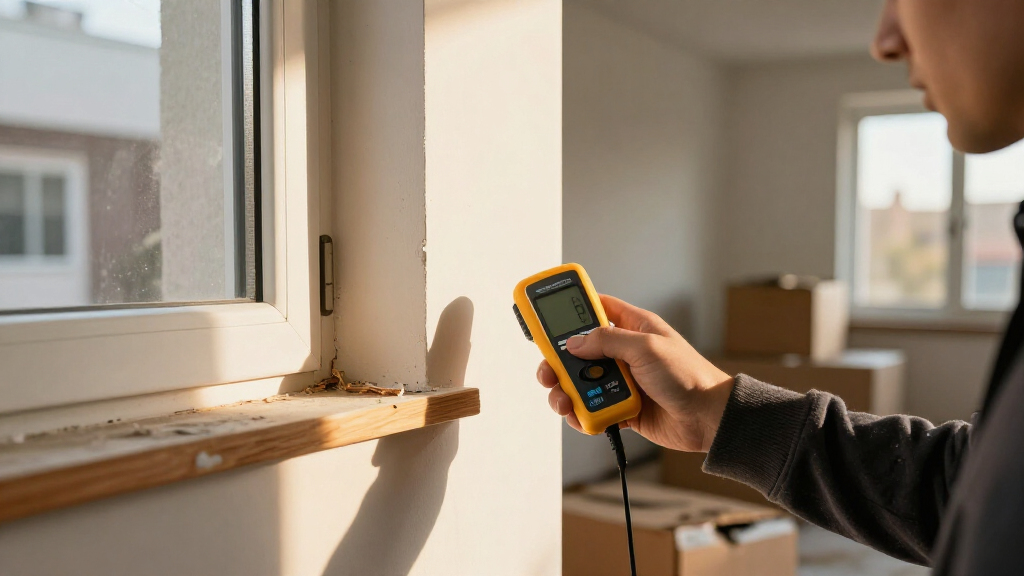
The final checks concern doors, windows and paint. House Beautiful recommends opening, closing and locking doors and windows, paying attention to faulty latches or difficulty operating them. It also says to look for bubbling, cracked or peeling paint, especially around ceilings, vents, windows and upper corners, as possible signs of water problems. The report advises documenting defects and asking whether repairs will be completed before move-in; it does not establish that any specific defect proves a leak or structural damage.
Checks That Can Shape a Lease Decision
A viewing is often a renter’s main chance to examine a unit before committing to its cost and conditions. Checking everyday features can reveal whether a space will work for a renter’s furniture, lighting needs and routine, while documenting visible damage gives the renter a clearer record to discuss with the landlord or property manager.
Some observations may point to issues beyond convenience. A window or exterior door that will not close properly can affect security and drafts; visible paint damage can warrant questions about past or ongoing moisture. The checklist is not a substitute for a professional inspection, and renters should not treat a visual sign alone as proof of the cause or severity of a problem.
Popular right now

Dyson W1 PencilWash Cordless Wet and Dry Floor Cleaner with Dock

Vitamix Propel Series 750 Professional-Grade Blender, 4 Programs, Black

Dyson V8 Cyclone Cordless Vacuum
As an affiliate, we earn on qualifying purchases.
The Checklist Behind “Renter’s Regret”
The House Beautiful report presents “renter’s regret” as the author’s description of noticing annoyances after moving in, when the apartment is no longer being viewed as a staged or empty space. The writer says the checklist draws on personal experience, including discovering that an apartment lacked overhead lighting in the living room and bedroom.
The advice is focused on what a renter can observe during a tour, not on lease law, landlord obligations or a measured trend in rental conditions. The source does not specify a particular city, season’s rental statistics or a deadline by which prospective tenants should complete these checks.
““The main thing is to always look up during your apartment viewing.””
— House Beautiful report
What a Tour Cannot Establish
The source does not report how common the listed problems are, whether rental conditions have changed, or whether the checklist has been tested against renter outcomes. It also does not provide the report’s publication date. A sloping floor or damaged paint may warrant follow-up, but a tour alone cannot establish the cause, extent or safety implications of a condition.
The report does not discuss local rules on inspections, repairs, deposits or lease disclosures. Renters should confirm any promises about repairs in writing and consult applicable local guidance if a dispute or safety concern arises.
Steps Before You Commit
Prospective tenants can use the six checks during a viewing, photograph defects and ask the landlord or property manager what will be repaired and when. Before signing, they can compare the answers with the lease and request written confirmation of agreed work. The report does not identify a follow-up from House Beautiful or a formal next milestone; any repairs, inspections or lease decisions will depend on the renter, property manager and circumstances of the unit.
Key Questions
What six things does the checklist recommend checking?
It recommends checking outlet number and placement, floor level, overhead lighting, window direction, door and window operation, and signs of bubbling or cracked paint.
Does bubbling paint prove an apartment has a leak?
No. The report describes bubbling, cracked or peeling paint as a possible sign of water damage or a past water issue, not proof of a leak. Ask the landlord or property manager about the condition and any inspection or repairs.
Why check windows and doors during a viewing?
Opening, closing and locking them can reveal latches that do not work smoothly or openings that do not stay shut. The report notes that faulty exterior doors or windows can raise security and draft concerns.
Should renters document problems before signing?
The report recommends photographing faulty latches and asking whether repairs will be done before move-in. Renters can also keep written records of defects and any repair commitments.
Source: rss