
TL;DR

Get business pricing on tools and workshop supplies
- Business-only prices and quantity discounts
- Tax-exempt purchasing
- Multiple users, one account, clear invoices
A final inspection is a structured check that the work is complete, safe, compliant, and ready for handover; closeout also covers corrections, approvals, records, and owner training. Tailor your checklist to the contract, approved documents, trades, and local authority requirements, then track each deficiency to a verified correction. Physical completion alone does not satisfy every closeout requirement.
The rooms look finished, the tools are packed, and the owner is waiting for keys. Then the inspector asks for a test report nobody can find, or a punch-list item turns out to have no assigned trade. That last stretch can hold up a handover even when the job looks done.
A final inspection is a structured check that the work is complete, safe, compliant, and ready to turn over. Closeout is the bigger job around it: correcting deficiencies, collecting records, getting required approvals, and showing the owner how the finished work operates. Your checklist helps connect those field tasks to the project documents and local requirements.
This guide walks you through how to prepare, run a useful punch list, assemble the closeout package, and handle the handover. Requirements change by contract, jurisdiction, project, and trade, so use your project documents and the authority having jurisdiction to set the actual acceptance criteria. A field checklist supports that process; it does not replace formal inspections or licensed professional approvals.
Tailor the checklist to the contract, current approved project documents, trade requirements, and local authority rules.
Write punch-list entries with a precise location, observable defect, accountable owner, due date, status, and verification.
Track tests, approvals, manuals, warranties, training, as-builts, keys, and administrative sign-offs as closeout work.
Recheck corrections in the field and document agreed exceptions or deferred items with an owner and follow-up date.
A final walkthrough alone does not establish that contractual and regulatory closeout is complete.
Know what the final inspection and closeout each cover
A final inspection checks whether completed work meets the project’s acceptance criteria; closeout also covers corrections, records, approvals, and transfer to the owner. That distinction helps you catch tasks that are invisible in a polished room but still block turnover. A clean corridor can pass a visual glance while a missing test report keeps the system from being accepted.
Think of the final inspection as the last lap around the field and closeout as handing over the keys, map, and maintenance plan. The inspection looks at installed work, operation, safety items, and visible deficiencies. Closeout may also require permits, commissioning results, warranties, operation and maintenance manuals, training records, as-built drawings, keys, and final sign-offs. The contract and project requirements say which items apply.
For example, a foreman may finish a mechanical room and confirm the equipment runs, but the owner may still need startup documentation, control settings, and an operator walkthrough. A punch list records what needs correction; it does not by itself prove that approvals or contractual deliverables are complete. Substantial completion, final completion, and final acceptance can mean different things under the contract, which controls deadlines and responsibilities.
Use the walkthrough to inspect the work; use the closeout tracker to prove the whole handover is ready.
That distinction also keeps responsibility clear. You can coordinate field completion and document what your crew checked, while an inspector, design professional, commissioning provider, or owner may need to issue particular approvals. If the project allows an agreed deferred item, record who accepted it and when the parties expect follow-up. Do not treat silence as approval.
Prepare before you ask for the final inspection
Prepare for a final inspection by checking the latest approved documents, walking completed work with trade leads, and confirming that required tests and records are ready. This preparation catches easy-to-fix gaps before the inspector or owner spends time on site. It also gives you a chance to make sure the people who know each system can answer questions.
- Review the current documents. Check approved drawings, specifications, change orders, inspection criteria, and contract closeout requirements. Use the latest revision; an old print can send a crew back to work that has already changed.
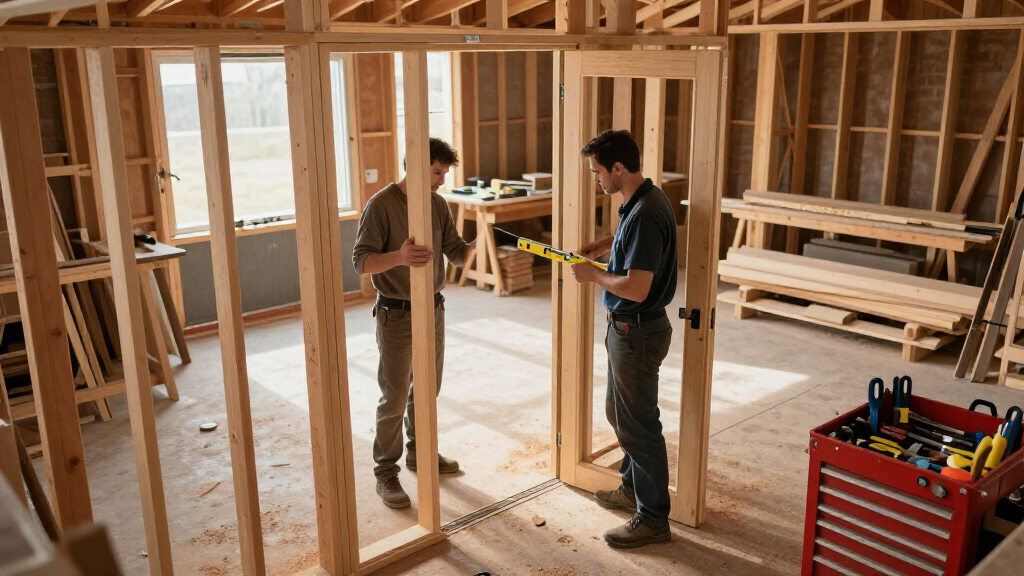
- Walk by area or system. Bring the relevant trade leads. Look for incomplete finishes, damage, leaks, poor alignment, missing labels, and blocked access.
- Confirm operation and evidence. Check equipment installation, labels, clearances, startup records, alarms, control settings, and required tests against specified procedures and acceptance criteria.
- Verify the inspection lineup. Coordinate the required owner, consultant, authority, or licensed professional visits under project rules. Make sure the space and relevant records will be available.
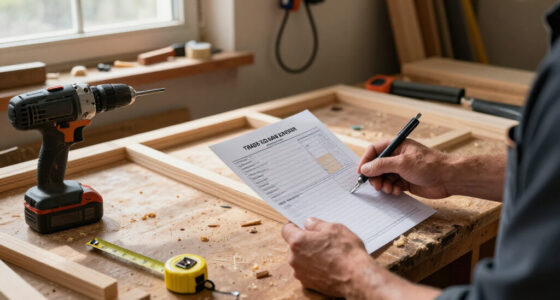
Take a small office fit-out as an example. Before requesting the final walkthrough, the foreman can walk each room with the electrical and finish leads, test the specified lighting controls, note a loose door closer, and pull together the required inspection record. That 20-minute pass can prevent a second visit for issues the crew could have fixed the same day.
Set the checklist from the project requirements, not from memory. Local code and permit rules still apply, and required inspections or approvals must follow the authority having jurisdiction. If a task needs a licensed professional, schedule that person rather than treating a foreman’s field check as a substitute.
Write punch-list items crews can actually close
A useful punch-list item names the location, the defect, the responsible party, a due date, and how someone will verify the repair. Specific entries save time because the assigned crew can find the problem and understand what counts as done. “Fix paint” leaves too much room for a second walk; “Room 214, north wall: patch the 3-inch gouge beside the outlet and repaint to match” gives the painter a target.
Use a consistent record for every item: location, description, owner, due date, status, and verification. Add a photo when it helps identify a ceiling tile, pipe label, or damaged finish. A photo supports the record, but it does not replace required test results, formal approval, or a written acceptance. Keep approved exceptions and deferred work visible with the agreement and follow-up date attached.
Imagine a walkthrough finds a ceiling access panel painted shut above a valve. Record the exact room and grid, assign the correction to the ceiling trade, set a date, then recheck that the panel opens and the valve remains reachable. Marking the item “done” as soon as someone says it is fixed can leave the next crew staring at the same problem.
- Describe what you can see or test. “Door rubs at latch side” is clearer than “door issue.”
- Assign one accountable lead. Bring in another trade as needed, but make ownership clear.
- Track status in the field. Use a mobile punch list or a paper log that crews can access and update.
- Recheck completed work. Record who verified it and when.
Digital tools can speed up photos, assignments, and dated status changes. They still do not make a weak description clear or replace an inspector’s approval. The punch list is a tracking tool; its value comes from the quality of its details and the follow-through behind each status change.
Build a closeout package the owner can use
A closeout package collects the records and operating information required by the contract and owner. Assemble it as the job progresses, because chasing documents after crews demobilize can turn a simple handover into a long string of calls. The project requirements decide what belongs in the package, so start with the closeout checklist for that specific job.
Common deliverables may include inspection approvals, test reports, commissioning results, warranties, operation and maintenance manuals, training records, certificates, as-built drawings, and keys or access credentials. Some projects also request digital as-builts or energy and sustainability documentation. Do not assume every project needs every item, or that a folder full of paperwork meets the required format.
For example, an owner taking over a small clinic may need equipment manuals, warranty details, training on controls, and a record of alarm testing. A foreman can make that transfer practical by organizing files by system, confirming the manual matches the installed equipment, and noting who received training. A box of unlabeled binders in a locked room is technically a collection, but it does little for the person who must reset a controller at 6 a.m.
Track administrative items alongside field deliverables: permit status, approved changes, final quantities, subcontractor submissions, and sign-offs. Set a responsible person and due date for each document. Keep accurate records after handover because they can support maintenance, warranty claims, audits, and later building changes. If a record is required by contract or local rules, confirm it is complete before calling the closeout package finished.
Run the handover so the owner knows what changed hands
A good handover confirms acceptance, transfers the required documents and access, and gives the owner a clear way to handle agreed follow-up items. The owner should leave knowing what is complete, what remains, who owns any open item, and how to operate the systems that just changed hands. A final walkthrough is one part of that conversation, not the whole closeout process.
Take a community center renovation with a new HVAC controller. The foreman can invite the owner’s maintenance lead to the walkthrough, demonstrate the normal schedule and alarm screen, hand over the manual and access credentials, and document the training date. If one trim piece is still on order by agreement, record its location, responsible party, delivery date, and the owner’s acknowledgment rather than burying it in an email thread.
Before the meeting, confirm the attendee list and access. Bring the current punch list, required approvals, test records, and closeout documents. During the walk, record acceptance or deficiencies, identify the person responsible for each next step, and confirm dates. Afterwards, distribute the agreed record to the project team and retain the project files required by company policy and contract.
Occupancy and acceptance questions depend on the contract, jurisdiction, and required approvals. Do not assume the owner can occupy because the space looks finished, and do not tell the owner that every item is accepted unless the authorized party has confirmed it. A clear handover makes the boundary between completed work, approved exceptions, and pending corrections visible to everyone.
Avoid the closeout delays that sneak up on a finished job
Closeout delays often come from missing evidence, unavailable approvers, or unclear ownership rather than visible construction defects. A room can be spotless and still wait on a test record, an authority inspection, or a subcontractor’s manual. Planning those items before the final walkthrough keeps a nearly finished job from sitting idle.
One common trap is treating the final inspection as the first time anyone checks the whole scope. A foreman who waits until then to compare installed work with the latest approved drawings may discover that a change order never made it onto the field punch list. Another trap is calling an item complete because it was repaired, without checking that the repair works or that its record was updated.
Consider a fire alarm test scheduled after the ceiling crew has demobilized. If the required test results or access arrangements were not planned, several people may need to return and coordinate around a locked area. That can cost more time than the test itself. Use early coordination to confirm what needs testing, who attends, what acceptance criteria apply, and where the evidence will be stored.
- Do not rely on memory: compare the work with current approved documents and changes.
- Do not leave a vague owner: assign each open item to one accountable lead.
- Do not treat photos as approval: retain required formal records and sign-offs.
- Do not hide deferred items: document the agreement, responsible party, and follow-up date.
Digital checklists and dated photos can make status easier to trace, especially across several trades. They cannot resolve contract questions or override local inspection rules. Coordinate early with the owner and authority having jurisdiction when requirements or acceptance responsibilities are unclear.
Use a field routine that keeps every item moving
Keep closeout moving with one repeatable routine: review requirements, inspect the work, assign corrections, verify them, collect records, and document handover. A routine gives every trade the same path from “found” to “closed.” Without it, a dozen small tasks can sit in texts, notebooks, and someone’s memory until the owner asks for an update.
Start by sorting the work into an order crews can follow. Walk the building room by room or the system area by area. Capture visible defects and operating issues in the same log, but keep required test results and formal approvals linked to their specific records. Then set due dates that fit crew availability and any inspection schedule.
For a warehouse turnover, the foreman might list a misaligned dock bumper, an unlabeled disconnect, and a missing startup report. The bumper goes to the concrete or dock trade; the label goes to the electrical lead; the report goes to the equipment contractor. Each gets a date and a verification step. The field team can see which items need a person onsite and which need a document before the owner walk.
- Review scope and criteria against current drawings, specs, changes, contract language, and local requirements.
- Walk with trade leads and inspect completed work, equipment, access, labels, and safety items.
- Record and assign each deficiency with location, description, owner, due date, and status.
- Complete tests and corrections using specified procedures; save dates, results, and responsible parties.
- Recheck repairs in the field and update the status with verification details.
- Collect and distribute records and document acceptance, deferred items, and follow-up dates.
This structured check that ties field conditions to records gives you a practical status view without making the checklist a substitute for professional judgment. Use the routine early, not only on inspection day, so missing records and unavailable stakeholders have time to be fixed.
Frequently Asked Questions
What is the difference between a final inspection, a punch list, and closeout?
A final inspection checks completed work against applicable acceptance criteria. A punch list tracks deficiencies that need correction and verification. Closeout includes those steps plus required approvals, records, owner training, and transfer of the finished work.
What should a foreman check before requesting a final inspection?
Review the latest approved drawings, specifications, changes, inspection criteria, and contract requirements. Walk the work with trade leads, check workmanship, access, labels, and operation, and confirm required tests and records are ready. Coordinate any required authority, owner, consultant, or licensed professional inspections under the project rules.
What information belongs on each punch-list item?
Include the location, specific deficiency, responsible party, due date, status, and verification. Add a photo when it helps locate or explain the issue. For example, “Room 214, north wall: patch the gouge beside the outlet and repaint to match” gives the crew more direction than “fix paint.”
What documents are usually required at handover?
Requirements vary by contract and project. Common items include inspection approvals, test or commissioning reports, warranties, operation and maintenance manuals, training records, certificates, as-built information, and keys or access credentials. Confirm the list, format, and delivery method with the project documents and owner.
Can the owner occupy before every punch-list item is complete?
That depends on the contract, jurisdiction, required approvals, and the owner’s agreement. Do not assume occupancy or acceptance from the appearance of the space alone. Record authorized deferred items, the responsible party, and the agreed follow-up date.
Do digital punch lists replace formal approvals or test reports?
No. Digital tools can help assign deficiencies, attach dated photos, and track status, but they do not replace required test results, inspection records, or approvals from authorized parties. Use them to make the record easier to manage and keep formal documents in the required project files.
Conclusion
Start closeout before the job looks finished. Review the project requirements, walk with the trade leads, assign every deficiency, and collect the records while the people and equipment are still easy to reach. Then use the final inspection to verify the work and the handover to make responsibilities clear.
A clean punch list, a complete package, and a documented handoff turn a finished site into a usable one. The last crew may leave, but the owner should never have to guess what was checked, what was delivered, or who is coming back.
Fall yard work Picks
leaf blowers
As an affiliate, we earn on qualifying purchases.