
TL;DR

Get business pricing on tools and workshop supplies
- Business-only prices and quantity discounts
- Tax-exempt purchasing
- Multiple users, one account, clear invoices
A foreman should keep common head, eye, hearing, hand, foot, and high-visibility protection available, then add task-specific gear such as respirators or fall-protection equipment based on the site hazard assessment. Fit, compatibility, training, inspections, and timely replacement determine whether gear can do its job; PPE works alongside safer work methods and other controls.
A grinder can throw a bright spark across a bay in less than a second. If the worker has only a face shield, the eyes behind it may still need safety glasses or goggles. That small gap is why a foreman’s gear setup needs to match the task, not just fill a cabinet.
This guide shows you what to keep on hand, how to match equipment to real jobsite hazards, and what to check before a crew starts work. You’ll also get a practical routine for keeping gear clean, fitted, compatible, and ready when a task changes.
Personal protective equipment (PPE) can reduce exposure to hazards, but it works alongside training, safe work procedures, and controls that remove or reduce hazards at the source. Regulations vary by location and project, so check the applicable requirements and the project’s hazard assessment before you stock the station.
Build your PPE list from the site hazard assessment, task by task.
Keep common head, eye, hearing, hand, foot, and high-visibility protection in usable sizes and condition.
Use respirators and fall-protection systems only with the required selection, fit, inspection, training, and work planning.
Check that PPE fits together before the crew starts; a face shield usually supplements eye protection.
Pair PPE with safer work methods, accessible replacements, and clear instructions for reporting damaged gear.
Field guide / Foreman’s gear station
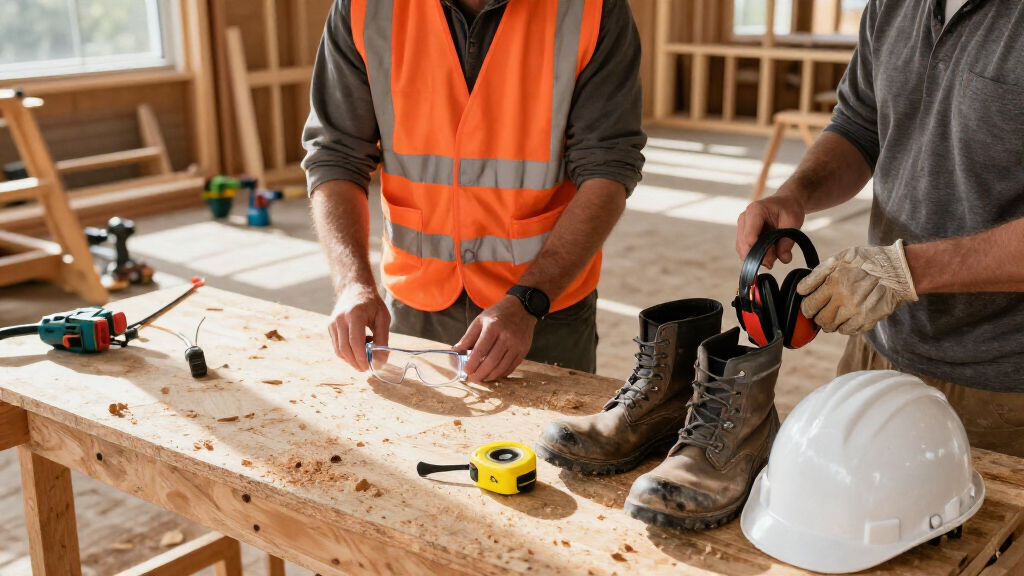
Essential Safety Gear Every Foreman Should Have on Hand
Build a ready-to-use gear setup around real jobsite hazards. Keep everyday protection accessible, add task-specific equipment with the right training, and check fit and compatibility before work begins.
01 / Start with the hazard
Build the gear list from the work
A generic kit can miss the hazard—or create a new problem. Review tasks, materials, tools, and changing site conditions before stocking the station.
Identify exposure
List what can injure or expose workers during each task. Revisit the assessment when the work area, crew, equipment, or conditions change.
Use safer controls
Remove hazards where possible. Guards, separated pedestrian routes, and safe work procedures can reduce exposure for the whole crew.
Match PPE to what remains
Choose the right type and size, check compatibility, and confirm the project requirements and applicable regulations.
02 / Everyday protection
Keep these six groups ready
Stock usable items in practical sizes. Select each piece for the site’s hazards, and replace damaged or worn equipment promptly.
Hard hats or safety helmets
Choose for falling-object or electrical hazards. They are not automatically interchangeable; inspect and replace as directed.
Glasses, goggles, shields
Keep side-protection glasses available. Add goggles or a face shield for grinding, cutting, or chemical handling.
Earplugs and earmuffs
Provide proper fit for noisy work while preserving awareness of essential warnings.
Task-specific gloves
Choose for cuts, abrasion, chemicals, heat, or cold. Remove gloves near rotating machinery when required.
Protective footwear
Match impact, puncture, slip, or electrical risks. Comfort and secure fit support consistent wear.
High-visibility clothing
Use garments suited to vehicle exposure. Keep them clean and reflective material in usable condition.
03 / Task-specific equipment
Add protection for the exposure
Specialized PPE calls for selection, fit, inspection, training, and a work plan suited to the hazard.
Respirators
Select for the specific contaminant, fit to the wearer, maintain, and use under the required respiratory-protection program. A disposable mask is not a universal substitute.
Fall-protection systems
Provide compatible harnesses, connectors, and anchorage systems where required. Inspect before use, train workers, and plan for prompt rescue.
First aid and eyewash
Place supplies where hazards and applicable requirements call for them. Make sure workers know where to find help and how to get it.
Weather and job-specific gear
Add rainwear, thermal layers, sunscreen, chemical splash protection, or cut-resistant clothing as conditions demand. Keep dry replacements available.
04 / Issue routine
Five checks before work starts
Run this routine at the gang box when work begins, a task changes, or someone reports a problem.
- 1
Review the task
Confirm the hazard assessment, work procedure, and project requirements. Ask what changed.
- 2
Match protection
Choose gear for the hazard and confirm each worker has the correct type and size.
- 3
Check fit + condition
Look for cracks, cuts, contamination, worn straps, damaged lenses, or expired items.
- 4
Check compatibility
Make sure equipment can be worn together, including helmets, respirators, and eye protection.
- 5
Explain + record
Show how to use gear, locate emergency supplies, report defects, and record issues as required.
05 / Keep it ready
Make daily checks part of the job
An accessible, task-based inventory helps catch missing, damaged, or mismatched equipment before anyone reaches the hazard.
Start with the hazards so your gear fits the work
Essential safety gear every foreman should have on hand starts with a hazard assessment, because the right protection depends on what the crew will do and what can go wrong. List the tasks, materials, equipment, and changing site conditions, then match each hazard with suitable controls and PPE. Check the project requirements and applicable regulations before work begins.
For instance, a crew setting forms beside a forklift route needs visibility gear, protective footwear, and a way to keep workers separated from moving equipment. The same crew may need cut-resistant gloves for handling sharp form ties, but those gloves could create an entanglement hazard near a rotating tool. One item can help with one task and create a problem in another.
Think of PPE as the last layer in a stack of protections. If you can move a pedestrian route away from equipment or use a guard on a tool, that control can reduce exposure for everyone instead of relying only on each worker’s gear. PPE still matters when hazards remain, but it cannot replace safe work procedures, training, or emergency planning.
Keep a task-based list rather than ordering a generic kit. Write down the hazard, the control, the PPE, the sizes needed, and any training or compatibility check. A foreman helps set the tone for safety on a jobsite by making that list visible and discussing it at the start of a task, especially when the work area or crew changes.
Popular right now

KitchenAid Classic Series 4.5-Quart Tilt-Head Stand Mixer, Onyx Black

Dyson W1 PencilWash Cordless Wet and Dry Floor Cleaner with Dock

Vitamix Propel Series 750 Professional-Grade Blender, 4 Programs, Black
As an affiliate, we earn on qualifying purchases.
Keep these six everyday protections ready for the crew
Everyday jobsite protection commonly includes head, eye, hearing, hand, foot, and high-visibility gear, selected for the site’s actual hazards. Make it available in usable condition and in sizes that workers can wear comfortably. The exact requirements depend on the work and the applicable rules.
Head protection should suit hazards such as falling objects or electrical exposure; hard hats and safety helmets are not automatically interchangeable. Keep safety glasses with side protection for general hazards, then add goggles or a face shield for tasks like grinding, cutting, or chemical handling. A face shield usually goes over eye protection. Keep properly fitting earplugs and earmuffs available, too, while checking that protection does not block essential warnings.
Gloves need to match the job: cut, abrasion, chemical, heat, or cold protection all call for different choices. Gloves can snag near rotating machinery, so take them off when the task or equipment instructions require it. Safety footwear should address relevant risks such as impact, puncture, slips, or electrical hazards. Fit matters; a painful boot often ends up untied or left in the truck.
High-visibility garments help workers stand out near vehicles and moving equipment, but mud, dust, or worn reflective material can dull their effect. For instance, if your crew pours near a loader route, make a quick check that vests are visible, boots are secure, eye protection is clean, and head protection suits the exposure. That simple lineup gives you a practical baseline before the task-specific gear comes out.
Add respirators, fall protection, and emergency supplies for specific tasks
Task-specific PPE covers hazards that everyday gear does not address, including airborne contaminants, falls, chemical splashes, and weather exposure. Add it only after you identify the hazard and verify that the equipment, training, and work plan fit the job. A disposable mask is not a universal answer for dust, fumes, or chemicals.
Respirators need to be selected for the specific airborne hazard, fitted to the wearer, maintained, and used under the required respiratory-protection program. If a worker is cutting material that creates dust, pause to confirm the material, exposure controls, and protection plan instead of reaching for whatever mask is closest. The wrong respirator can leave a worker unprotected even when it looks substantial.
When fall protection is required, keep compatible harnesses, connectors, and anchorage systems available, and pair them with training and a plan for prompt rescue. Inspect the equipment before use and follow the manufacturer’s instructions. A harness hanging neatly in a gang box does not make an elevated task safe if no one knows how to connect it or rescue a suspended worker.
Stock first-aid supplies and eyewash or other emergency equipment where the hazards and regulations call for them. Add sunscreen, rainwear, thermal layers, chemical splash protection, or cut-resistant clothing as conditions demand. For instance, a cold, wet morning can make gloves lose grip; plan for dry replacements so workers can keep a firm hold on tools.
Use this five-step routine to check and issue gear
A short issue routine helps you catch missing, damaged, or mismatched PPE before the crew reaches the hazard. Use it when work starts, when a task changes, and when workers report a problem. A quick check at the gang box can prevent a scramble beside a live work area.
- Review the task. Confirm the hazard assessment, work procedure, and project requirements. Ask what changed since the last shift.
- Match the protection. Choose gear for the hazard and check that each worker has the right size and type.
- Check the fit and condition. Look for cracks, cuts, contamination, worn straps, damaged lenses, missing parts, or expired items when the manufacturer sets an expiration date.
- Check compatibility. Make sure the gear can be worn together. For example, a respirator may interfere with eye protection, or hearing protection may not fit properly under a helmet accessory.
- Explain and record. Show workers how to use the equipment, where emergency supplies are, and how to report a defect. Record issues and removals when your site procedure calls for it.
Imagine a worker moving from layout work into cutting. The glasses that worked for layout may not be enough for flying chips, and the gloves used to carry material may be unsafe near the saw. Stop at the task change, make the selection, and give the worker time to check the fit.
Remove questionable gear from service. Follow inspection schedules and replacement instructions from the manufacturer, and replace equipment after impact, contamination, or other damage when those instructions require it. Don’t put a cracked helmet back in the bin because the next crew needs one.
Keep an accessible gear station that crews will actually use
A well-run PPE station puts clean, suitable gear where workers can reach it before they enter the work area. Organize by type and size, label replacement stock, and keep damaged or returned items apart from ready-to-use equipment. Accessibility turns a good rule into a habit.
For instance, if workers need to walk across the site to find goggles, they may start a quick grinding task with only their regular glasses. Put task-specific eye protection near the tool checkout point, and keep the face shields clean enough to see through. A dusty visor is more likely to stay on a shelf than on a worker’s head.
Use a daily check for missing basics and a scheduled inspection for items that need closer attention. A paper checklist can work on a small site; a digital inventory can help a larger crew track sizes, inspection dates, or replacement needs. Newer PPE designs may improve fit, visibility, accessory compatibility, or awareness of surrounding sounds, but new features do not prove that an item suits your hazards or meets applicable requirements.
Ask workers about comfort and fit. A foreman who hears that earmuffs clash with a helmet or that safety glasses fog up can address the obstacle before it becomes routine nonuse. That conversation is practical, not cosmetic: workers need protection they can wear correctly throughout the task.
Pair PPE with safer work methods and clear crew expectations
PPE reduces exposure to some hazards, but it does not prevent every injury or replace controls that make the work safer. First look for ways to eliminate the hazard or reduce it with engineering and administrative controls, then use PPE for risks that remain. That order matters when one control can protect the whole crew.
For example, if a cutting station sends dust toward nearby workers, moving the station, using suitable dust controls, and setting a clear exclusion area can reduce exposure across the work zone. Respiratory protection may still be required, but handing out masks alone does not address the dust cloud. Tell the crew what control is in place and what each worker must do.
Set the example by wearing the required gear yourself and making it easy to raise a concern. If a worker’s glasses fog, stop and solve the fit or task problem rather than letting the worker choose between seeing and protecting their eyes. When gear conflicts with another item, check approved combinations and manufacturer instructions before the next shift.
Who provides equipment and who must wear it depends on local law, employment arrangements, and project rules. Confirm those responsibilities with the employer or safety lead rather than assuming one rule applies everywhere. Workers should know how to use assigned gear, report defects, and get a replacement before the task continues.
Frequently Asked Questions
What PPE should a foreman keep on hand every day?
Start with head, eye, hearing, hand, foot, and high-visibility protection that matches the site hazards. Keep task-specific gear such as respirators, fall-protection equipment, or chemical splash protection available when the work calls for it. Use the project hazard assessment and applicable requirements to set the actual list.
How often should PPE be inspected or replaced?
Check equipment before use when required and follow the manufacturer’s inspection schedule. Remove damaged or questionable items from service, and replace equipment after impact, contamination, or expiration when the instructions require it. Keep replacements accessible so workers are not tempted to use worn gear.
Can a face shield replace safety glasses?
Usually, no. A face shield often supplements safety glasses or goggles, especially for grinding, cutting, or splash hazards. Check the task requirements and approved equipment instructions before issuing a combination.
Can workers use their own PPE?
Only after the employer or responsible safety lead confirms it suits the hazard, fits the worker, works with other equipment, and meets applicable requirements. Personal gear also needs proper maintenance and inspection. A familiar item is not automatically suitable for every task.
How do you choose a respirator for dust, fumes, or chemicals?
Selection depends on the specific airborne hazard and exposure. Respirators need proper selection, fit, maintenance, and use under the required respiratory-protection program; a disposable mask is not a universal substitute. Ask the qualified safety lead to confirm the protection plan before work starts.
Can PPE prevent every jobsite injury?
No. PPE can reduce exposure to particular hazards, but it cannot eliminate every risk or replace safer work design, engineering controls, training, and safe procedures. Use it as one layer in a site-specific safety plan.
Conclusion
Keep gear tied to the hazards your crew will face, and check fit, condition, and compatibility before the work starts. When the task changes, stop long enough to change the protection plan too.
A clean, ready PPE station is a quiet signal to the crew: the job has been thought through before the first tool starts humming.