
TL;DR

Get business pricing on tools and workshop supplies
- Business-only prices and quantity discounts
- Tax-exempt purchasing
- Multiple users, one account, clear invoices
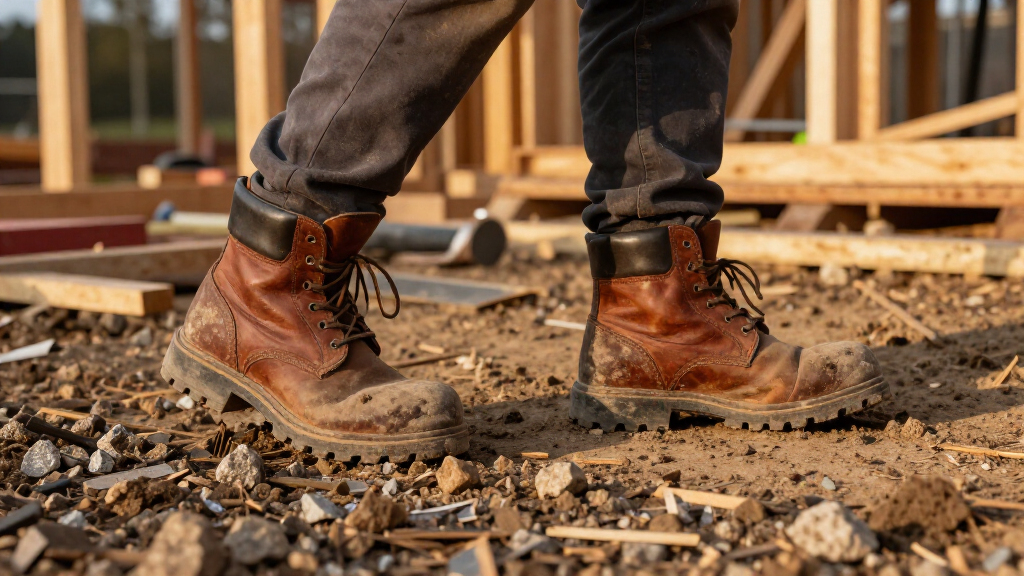
The best heavy-duty work boots for long shifts balance required safety protection, secure fit, suitable traction, support, and weather protection. Start with your job’s hazards and terrain, then try boots on with your work socks later in the day; no single boot suits every job.
A boot can feel solid in the store and still turn a ten-hour shift into a slow march. That usually happens when the tread, fit, or weather protection does not match the ground and work you face every day.
To choose heavy-duty work boots for long shifts and rough terrain, start with the hazards your employer identifies, then compare fit, traction, support, weight, and moisture control. You’ll see why a boot that works on a muddy site may feel clumsy on concrete, and how to inspect a pair before worn tread or damaged construction leaves you exposed.
There is no universal best boot. Think of your choice like setting up a truck for a job: the right setup depends on the load, route, and weather. Get those details right, and your boots can protect your feet without making every step feel like work.
Confirm your workplace’s required ASTM F2413 features and other safety rules before choosing a boot.
Match outsole tread to the ground you walk most; mud, concrete, ladders, and oily floors create different traction needs.
Try boots on later in the day with your work socks and insoles, then check toe room, heel hold, and pressure points.
Balance stability, cushioning, and weight against your actual route and time on hard floors.
Clean and dry boots carefully, inspect tread and construction, and replace them when safety or structure is compromised.
Best Heavy-Duty Work Boots for Long Shifts and Rough Terrain
Choose boots by the hazards, ground, and hours your job demands. The right pair balances required protection, secure fit, traction, support, and weather protection—because no single boot suits every route.
Protection is the baseline
“Heavy-duty” describes construction, not certification. In the United States, ASTM F2413 markings can identify impact and compression protection, electrical hazard protection, and other features. Requirements vary by job and jurisdiction.
A safety toe is only one part of the picture.
A metal toe does not automatically mean electrical hazard or puncture protection. Read the boot markings and manufacturer documentation, then confirm they match your employer’s requirements and applicable workplace rules.
- Ask which protections are required for each area and task.
- Check the listed rating and features before comparing styles.
- Account for wet concrete, sharp scrap, electrical exposure, or other changing hazards.
- Boots alone do not make hazardous work safe; follow workplace procedures.
Choose tread for your route
Mud, gravel, concrete, ladders, and oily floors create different traction needs. There is no single tread that performs best on every surface.
Deep, well-spaced lugs can help shed loose dirt and bite into uneven ground. A flatter, more flexible outsole may feel steadier on hard indoor floors.
A boot can move from a muddy excavation to a smooth hallway. Mud packed into aggressive lugs may reduce grip on that hard floor. Think about the whole route, not just the roughest patch.
Oil, water, heat, and chemical resistance are separate properties. Check the product specifications for the conditions at your site; “slip resistant” is not a promise against every slick surface.
Fit has to last past lunch
For long shifts, the heel should stay secure, toes should have room to spread, and pressure points should stay away. Brand and boot shape can change the fit.
Comfort in the store is a start. A real walk test is the better signal.
Try boots later in the day with your work socks and insoles, when feet may be slightly larger.Use the socks and insoles you expect to wear on the job.
Stand and walk. Toes should not hit the front, including on a slight downhill step.
Look for secure hold without enough lift to rub with every stride.
Persistent pain, blisters, numbness, or pinching mean reassess the fit.
Support, weight & cushioning
Judge each boot against the full route: broken ground, carried loads, ladders, and hours on hard floors. Comfort varies from person to person.
| Work condition | Prioritize | Tradeoff to consider |
|---|---|---|
| Uneven terrain | ✓ Stable platform and suitable support | Stiffer construction may feel tiring on long stretches of hard floor. |
| Many hours standing | ✓ Cushioning that feels comfortable to you | Soft cushioning alone may not provide the planted feel you want on loose ground. |
| Long walking route | ✓ A manageable weight and secure fit | ~ Heavier boots may feel protective but can add fatigue for some workers. |
| Mixed work demands | ✓ Test the whole route and required rating | ~ Lighter safety toes and cushioned midsoles are trends, not guarantees. |
Keep weather in the equation
Waterproofing, breathability, abrasion resistance, and repairability each affect how a boot works over time. Verify current product details rather than relying on broad claims.
Durability
Leather is common for abrasion resistance. Inspect stitching, sole attachment, toe protection, and whether the construction can be repaired.
Dry feet
Waterproof membranes can help in wet conditions, but may reduce breathability. Confirm the feature fits the exposure you actually face.
Moisture control
Breathable uppers and moisture-wicking socks may suit hot environments. Waterproof boots can still feel uncomfortable if sweat has nowhere to go.
Inspect, clean, replace
Maintenance helps you spot problems before worn tread or damaged construction leaves you exposed. Follow the manufacturer’s care guidance for the boot materials and any workplace contaminants.
Look for worn tread, separated soles, damaged seams, or compromised protective components. Do not rely on a boot once its needed protection is uncertain.
Remove dirt and chemicals as directed.
Dry away from direct heat.
Check soles, seams, and protective parts regularly.
Act when tread, structure, or safety features are compromised.
Five checks, in order
Treat the choice like setting up a vehicle for a job: the right setup depends on the load, route, and weather.
Start With the Hazards Your Boots Need to Handle
The best heavy-duty work boots are the ones that meet your job’s required safety features and suit the hazards you actually face. Check workplace rules before you compare styles: ASTM F2413 markings can identify impact and compression protection, electrical hazard protection, and other features, but a safety toe does not automatically provide every type of protection.
For example, a carpenter moving lumber may need impact and compression protection, while another worker may also need protection from electrical hazards or punctures. A metal safety toe does not, by itself, mean the boot covers those risks. Read the boot markings and manufacturer documentation, then confirm that they match your employer’s requirements and applicable workplace rules.
“Heavy-duty” describes a boot’s general build; it is not a safety certification. Think of the safety rating as the right key for a lock: a tougher-looking boot still may not open the door your job requires. If a task involves electrical exposure, keep power off when required and use a licensed professional for electrical work; boots alone do not make hazardous work safe.
Check the required rating first. Do not assume a safety toe means electrical hazard, puncture, or every other protection is included.
Ask your supervisor about hazards that change by area or task before you buy. A boot that meets the rules on a dry interior floor may not suit work around wet concrete, sharp scrap, or energized equipment. Match the listed protection to the work, and you’ll have a clear baseline for every other choice.
Popular right now

Samsung 75-Inch M80H Series Mini LED 4K Smart TV (2026)

KitchenAid Artisan 5-Qt Tilt-Head Stand Mixer – Dried Rose (KSM150PS)

De'Longhi Magnifica XS ECAM22110B Automatic Espresso Machine
As an affiliate, we earn on qualifying purchases.
Match the Tread to the Ground Under Your Feet
For rough terrain, choose an outsole with tread and stability suited to the surface; there is no single boot tread that performs best on mud, gravel, wet concrete, ladders, and oily floors. Deep, well-spaced lugs can shed loose dirt and help on uneven ground, while a flatter, more flexible sole may feel steadier on hard indoor floors.
Picture a crew walking from a muddy excavation to a concrete hallway. A lugged sole may bite into soft ground, then collect mud that reduces grip on the smooth floor. That is a tradeoff, not a defect: your route and surface mix matter as much as how aggressive the tread looks.
Traction claims also have limits. Oil resistance, water resistance, heat resistance, and chemical resistance are separate properties. A sole described as slip resistant is not a promise against every slick surface, so check product specifications for the conditions that matter at your site. On a wet ladder, for instance, the right boot still depends on careful footing and safe ladder practices.
- Mud or loose soil: Look for spaced lugs that can clear debris.
- Hard floors: Consider a sole that feels stable and flexible on concrete.
- Mixed surfaces: Prioritize the route you walk most and the site’s safety requirements.
Before committing, walk over a similar surface if you can. Notice whether the boot feels planted on a slope and whether debris packs into the tread. Those few minutes can tell you more than a dramatic tread pattern on a shelf.
Get a Fit That Holds Up Through a Full Shift
For long shifts, a well-fitting boot holds your heel securely, lets your toes spread, and avoids pressure points when your feet swell. Try boots on with the socks and insoles you expect to wear, ideally later in the day, when your feet may be slightly larger than they were first thing in the morning.
Use a real walk test. Lace both boots, stand, climb a few steps, and walk on a firm floor. Your toes should not hit the front when you step downhill, and your heel should not lift enough to rub with every stride. If a steel-toe cap pinches your toes in the store, a break-in period will not make that cap wider.
Imagine a superintendent who spends the morning on gravel, then walks several buildings of concrete floor. A boot that feels snug at the counter may turn into a hot, sharp pressure point by lunch. Compare sizes and shapes, not just the number printed on the box, because boots from different brands can fit very differently.
- Try them on late in the day with your usual work socks.
- Check toe room while standing and walking, including down a slight slope if possible.
- Check heel hold with the boots laced as you plan to wear them.
- Walk long enough to spot pressure before buying or wearing them for a full shift.
A break-in period can vary with materials and construction. Wear new boots for shorter periods at first if practical. Persistent pain, blisters, numbness, or pressure are signs to reassess the fit, not marks of toughness to ignore.
Choose Support, Weight, and Cushioning for Your Route
A boot for demanding work should feel stable under your foot while giving you enough cushioning for the surfaces and hours you face. Cushioning may reduce discomfort on long days, while a stable platform and suitable arch support can help you feel planted on uneven ground; comfort still varies from person to person.
Consider a worker who crosses broken ground carrying tools, then stands at a station for several hours. A stiff, supportive boot may feel secure on loose rock but tiring on hard floors. A softer, lighter boot may feel easier to walk in yet offer less of the stable feel that worker wants on uneven terrain. Compare the whole route, not just the first few steps.
Boot weight is another tradeoff. Heavier boots can feel protective and steady, but lifting that extra weight thousands of times during a shift may add fatigue for some workers. Recent designs include lighter safety-toe materials and more cushioned midsoles. These are trends, not guarantees: confirm current product specifications, safety markings, and fit before you rely on a feature.
Use this quick comparison as a starting point, then judge each boot on your own feet:
| Work condition | What to prioritize | What to check in person |
|---|---|---|
| Loose, uneven ground | Stable platform and suitable tread | Does the boot feel planted on a slope? |
| Long hours on concrete | Comfortable cushioning and secure fit | Do your toes and heel stay comfortable? |
| Frequent walking | Manageable weight and flexibility | Does each step feel natural? |
Do not trade required safety protection for a lighter feel. Find a compliant pair that you can comfortably wear through the actual workday.
Pick Weather Protection That Matches Your Workday
Waterproof boots help when you regularly work in wet conditions, while breathable uppers and moisture-wicking socks can be a better fit for hot, dry work. Waterproof does not mean cool or dry in every situation: sweat can build up inside if moisture has nowhere to escape.
Think about a crew working through a rainy week. A waterproof membrane may keep puddles out, which matters if the shift includes soggy ground. In a hot interior job, that same barrier may feel warm by midafternoon. Your choice depends on how much outside water reaches your boots, how hot the work gets, and how long you wear them.
Leather uppers are common for abrasion resistance and durability. Waterproof-breathable membranes are another common option, but their presence does not guarantee comfort in every climate. Look for current product details rather than relying on a broad label, and consider how quickly a boot can dry between shifts.
Match your socks to the conditions too. Moisture-wicking socks can help manage sweat, while spare socks may be useful on a long, wet day. If your boots get damp inside, let them dry away from direct heat; placing them near a heater can damage materials or affect how they hold their shape.
Test the whole setup before the toughest shift when you can. A foreman who spends the morning in wet grass and the afternoon inside a heated building may need a different balance than a worker who stays in the rain all day. The goal is dry, comfortable feet that still have the protection your job requires.
Make Your Boots Last Without Missing Damage
Good maintenance can help your boots last, but you should replace them when worn tread, damaged construction, poor fit, or compromised safety features reduce protection. There is no single replacement schedule for every worker; a pair worn daily in mud, grit, and concrete may wear differently from one used part-time indoors.
After a dirty shift, brush off caked mud and clean away jobsite residue according to the manufacturer’s care instructions. Let boots dry at room temperature, away from direct heat. Then inspect the tread, seams, sole attachment, toe area, and any protective components. A loose sole or a smooth patch under the ball of your foot deserves attention, even if the upper still looks sharp.
Picture a boot with a clean leather upper but a heel worn down at an angle. That uneven base can change how the boot sits under your foot, and the remaining tread may not grip as intended. Looks alone do not tell you whether the structure and safety features still work.
- Clean off dirt and chemicals after work.
- Dry slowly away from direct heat.
- Inspect soles, seams, and protective areas regularly.
- Replace damaged boots when tread, structure, fit, or protection is compromised.
Also check warranty terms and repair options before buying, especially if you expect heavy daily use. A repairable sole or durable construction may matter more over time than a new feature you rarely use. Follow employer guidance when it sets inspection or replacement rules.
Frequently Asked Questions
What makes a work boot heavy-duty?
A heavy-duty boot typically combines durable materials and construction, suitable safety protection, stable support, and an outsole suited to the terrain. The term itself is not a certification, so check the required safety markings and job specifications.
Are steel-toe boots better than composite-toe boots?
Neither is always better. Steel toes are often thinner and familiar, while composite materials are generally lighter and do not conduct cold or heat as readily. Compare the required rating, fit, weight, and workplace rules before choosing.
How should work boots fit?
Your heel should feel secure, your toes should have room to spread, and the boot should not pinch or create pressure points. Try boots with your work socks and insoles, preferably later in the day, and walk in them before wearing them for a full shift.
Are waterproof boots a good choice for hot weather?
They can keep outside water out, but a waterproof membrane may feel warmer or less breathable in hot conditions. Weigh the actual water exposure against ventilation, socks, and how quickly the boots can dry between shifts.
How often should you replace work boots?
There is no universal replacement interval. Inspect tread, seams, sole attachment, fit, and protective areas regularly, and replace boots when their structure, grip, fit, or safety features are compromised. Follow employer guidance if it sets a schedule.
Conclusion
Choose boots in this order: meet the job’s safety requirements, confirm a secure and comfortable fit, then match the tread, support, weight, and weather protection to your route. A good-looking pair cannot make up for a wrong rating or a heel that rubs raw by lunch.
Try them on with your work socks and walk before you commit. Your boots should carry you across the shift, not make every step the part you remember.