
TL;DR

Get business pricing on tools and workshop supplies
- Business-only prices and quantity discounts
- Tax-exempt purchasing
- Multiple users, one account, clear invoices
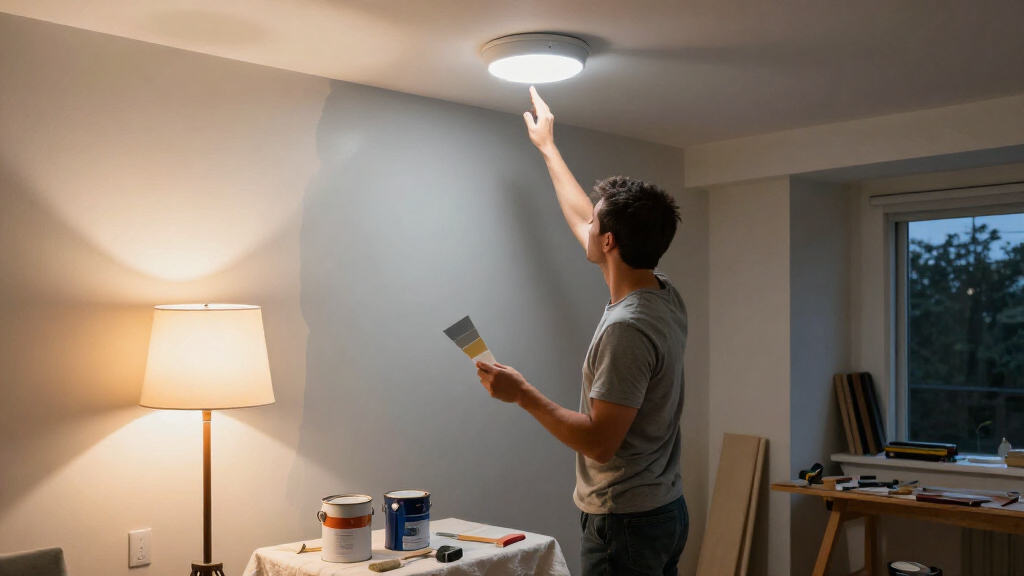
Livingetc’s design report says warm, relatively dim household lighting can alter how wall paint appears after dark, making some shades look warmer, muddier or flatter. Interior designer Emily Brooks recommends choosing paint in daylight, then adjusting bulb temperature and using layered, diffused lighting rather than relying on a single harsh ceiling light.
Warm household bulbs can make wall paint look different after dark, with some colors appearing warmer and some cooler shades turning muddy or flat, according to a Livingetc report featuring interior designer Emily Brooks and Pooky Lighting creative director Jo Plant. The report says the effect reflects differences in light temperature and intensity, and recommends testing paint in daylight while planning evening lighting with the chosen color in mind.
Plant says natural light is around 5,000 kelvin, while many household bulbs fall between 2,500K and 3,000K. Those figures describe light color temperature, not brightness. The warmer, golden cast common in evening lighting can affect how paint is perceived; Plant says warm blues may look warmer, while cooler hues can appear muddy or flat. The exact effect depends on the paint, the light source and the room.
Brooks, an interior designer and color consultant, explains that people see paint color through light reflecting from its pigments. The color temperature and strength of the light therefore influence how a shade appears. In her account, a terracotta wall under a cooler bulb may reveal pink or purple tones, while warmer light can bring out more of its yellow base. These are examples of how lighting can shift perception, not guarantees that every paint color will respond identically.
The report’s practical advice is to assess a paint shade in natural daytime light before selecting it, then consider the room’s evening use, bulb temperature and fixture placement. Brooks recommends layering lamps and wall lights for ambient light, and diffusing overhead lighting with larger, non-clear bulbs. She cautions against relying on a single central ceiling light or harsh downlights, which can produce an unflattering atmosphere and make the wall color seem less appealing.
Why Evening Light Changes Wall Color
Paint is often selected in daylight, but many people spend time in living rooms and bedrooms after dark, when artificial lighting becomes the main source of illumination. A room that looks balanced in daytime may feel different under warm bulbs. That can lead people to think a paint choice was wrong when the change may instead come from the lighting conditions.
The distinction matters for practical decisions: changing bulbs or adding lamps may address the problem without repainting. Brooks says a shade that suits the room in daylight can also work at night if the evening lighting is curated to complement it. The report presents this as design guidance, not a universal rule; people’s preferences and the interaction between a specific paint finish and fixtures can vary.
Popular right now

Samsung 75-Inch M80H Series Mini LED 4K Smart TV (2026)

Dyson Ball Animal 3 Upright Vacuum

Bose QuietComfort Wireless Earbuds with Active Noise Cancellation, Dewdrop Mint
As an affiliate, we earn on qualifying purchases.
Daylight Versus Household Bulbs
The report focuses on the contrast between natural daylight and common domestic lighting. Plant gives daylight as approximately 5,000K and many home bulbs as 2,500K to 3,000K. A lower Kelvin rating generally indicates a warmer-looking light. The report also notes that household lamps may be dimmer than daylight, so both the light’s color and its strength can influence the visual result.
Brooks describes paint, finish and light as parts of one combination. Fixture position matters as well: an overhead source, a wall light and a table lamp illuminate surfaces differently. Rather than prescribing one bulb temperature for every room, the report advises matching the evening setup to the intended feel of the color and space.
“The color or temperature of the light hitting it, and the strength of that light hugely affect how our eyes perceive the shade.”
— Emily Brooks, interior designer and color consultant, as quoted by Livingetc
What Depends on the Room
The report does not provide controlled measurements showing how particular paints change under particular bulbs, nor does it identify one temperature that works for every room. Its examples are expert observations. The appearance of a specific shade may also depend on the paint’s undertones and finish, the brightness and position of fixtures, and the room’s available daylight.
The supplied report does not name specific paint products or bulb models, and it does not set out a testing protocol. It also does not establish that a perceived color shift means the paint itself is defective. Readers should treat the advice as a way to assess lighting and color together rather than as a guarantee of a particular visual result.
Test Bulbs Before Repainting
For someone unhappy with a wall color at night, the report’s suggested next step is to compare the room under different lighting before deciding to repaint. Check the paint in daylight, then observe it after dark with the bulbs and fixtures normally used in the room. Try changing bulb temperature or adding a lamp or wall light, and compare the result across the space.
There is no single follow-up date or formal guidance announced in the report. The practical decision remains specific to each room: whether its current light supports the desired appearance, or whether a different bulb mix and more layered ambient lighting would help.
Key Questions
Why can paint look different at night?
Artificial light differs from daylight in color temperature and often intensity. Those differences affect how light reflects from paint pigments and how people perceive the shade.
What bulb temperature does the report say many homes use?
Jo Plant says many household bulbs sit between 2,500K and 3,000K, compared with natural light at around 5,000K in the report. These are general ranges, not a recommendation for every room.
Should I repaint if my color looks wrong after dark?
Not necessarily. The report suggests checking the room’s bulbs and fixture arrangement first. A different bulb temperature or added lamps may change the perceived color, though the result depends on the room and paint.
What lighting arrangement do the designers recommend?
Brooks recommends layered lighting, including lamps and wall lights for ambient light, and diffusing overhead light with larger, non-clear bulbs. The report advises against depending only on a harsh central ceiling light.
Source: rss