
TL;DR

Get business pricing on tools and workshop supplies
- Business-only prices and quantity discounts
- Tax-exempt purchasing
- Multiple users, one account, clear invoices
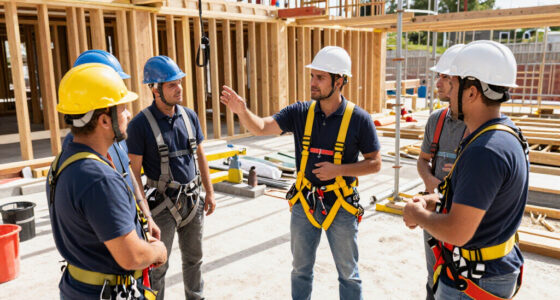
Daily crew briefings should run 10–15 minutes at the same time and place every shift, follow a standardized format covering safety, tasks, and coordination, and end with named action items. Consistency and follow-up matter more than length — crews that brief the same way every day make fewer errors, catch hazards earlier, and lose less time to rework and confusion.
The most productive 10 minutes on your jobsite happen before anyone picks up a tool. That’s the reality most foremen learn the hard way — usually after a morning where two trades stacked steel over an unfinished deck because nobody told the crane operator the schedule slipped.
Daily crew briefings are the cheapest productivity tool you own. They cost nothing but discipline. Yet most crews either skip them entirely or turn them into rambling 30-minute gripe sessions that burn more time than they save.
This guide gives you a system: what to cover, how long to run it, how to keep crews engaged, and how to follow up so things actually get done. It draws on jobsite best practices around safety culture, standardized formats, and accountability — the stuff that separates tight crews from chaotic ones.
Keep briefings to 10–15 minutes, at the same time and place every shift — consistency builds the habit, brevity keeps attention.
Use a standardized five-part format: safety, tasks, coordination, yesterday’s follow-up, and questions — carried on a physical checklist so nothing gets skippe…
Make safety specific with the task-hazard-control pattern tied to today’s actual work, not generic slogans.
Close every briefing with named action items (who, what, by when) and open the next day’s briefing by closing those loops.
Ask open-ended questions like "What’s going to slow us down today?" and credit crew input publicly to build a crew that flags problems early.
How to Effectively Conduct Daily Crew Briefings to Boost Productivity
The most productive 10 minutes on your jobsite happen before anyone picks up a tool. Daily crew briefings are the cheapest productivity tool you own — they cost nothing but discipline. This is the system: what to cover, how long to run it, and how to follow up so things actually get done.
The 5-Part Briefing That Covers Everything Without Rambling
Think of it like a quarterback’s huddle. Twenty seconds, everyone hears the play, everyone knows their assignment, then you break and run it. Nobody huddles for ten minutes. Write these five headers on an index card or laminate a checklist — a physical checklist you can hold beats a mental one every time, especially at 6:30 a.m. with the wind blowing sideways.
Safety First
Today’s specific hazards — not generic slogans. If the man-lift is parked near an open edge, say so and point at it.
Today’s Tasks
Who’s doing what, where, and in what order. Name names. “Framing finishes bay 3 before the electricians show at noon.”
Coordination
Deliveries, inspections, other trades on site — anything that changes traffic patterns or access today.
Yesterday’s Follow-Up
Close the loop on problems raised in the last briefing. This is where your credibility lives.
Questions
Ask open-ended questions — “What’s going to slow us down today?” — never “Any questions?” Nobody answers that one.
Get Your Crew to Actually Talk
Engagement comes from one thing: people believe their input changes something. If a laborer raised a scaffold concern last week and it got fixed by 9 a.m., he’ll speak up again. If it got ignored, you’ll get silence forever after — and silence on a jobsite is expensive.
Ask Questions That Can’t Be Answered With a Shrug
“What’s going to slow us down today?” gets answers. “Any concerns?” gets nothing. Direct questions work even better: “Mike, you’re on the south elevation — what do you need from the equipment yard?” Now Mike’s thinking about his own scope, not hiding in the group.
Credit Crew Input Publicly
A foreman notices the newest guy never talks. He catches him one-on-one after the briefing, then brings the point up the next morning — crediting him by name. Two weeks later, the new guy is the one flagging the missing guardrail.
Handle Language Barriers for Real
Use plain, short sentences. Pair words with visuals — point, gesture, hold up the actual part. Learn the key terms or bring in a bilingual lead. A hazard nobody understood is a hazard nobody avoided.
“Keep the tone positive. You can deliver hard news — schedule slipped, inspection failed — without turning the briefing into a beating. Crews work harder for a foreman who’s straight with them and still starts the day with energy.”
FIELD PRINCIPLE — TONE SETS OUTPUTSafety Topics That Hit Hard
Safety works when it’s specific to today’s work — tied to the exact tasks the crew is about to do. Generic “be careful out there” messaging does nothing. The goal: a hazard talk so concrete a crew member could repeat it back to you. Use the task–hazard–control pattern — one sentence each.
“We’re setting trusses on the north end this morning…”
“…the crane swing crosses the power line on the east side…”
“…so nobody works inside the barricaded zone and the tag line man keeps the load controlled.”
| Safety Practice | Do This | Generic Briefing | Why It Matters |
|---|---|---|---|
| Topic depth | ✓ One hazard covered properly | ✗ Five topics in passing | Concrete talk a crew member could repeat back — 20 seconds, fully actionable. |
| Physical context | ✓ Walk to the edge, the excavation, the live panel | ✗ Describe it from the truck | Physical context sticks; words evaporate. |
| Near-misses | ✓ “Good catch” — then fix the tether | ✗ Assign blame publicly | Punishing honesty kills reporting — and killed reporting is how people get hurt. |
| New conditions | ✓ Use a JHA — new task, new crew mix | ✗ Run yesterday’s script | Changed conditions are exactly when standard talks fall short. |
| Rotation | ✓ Rotate topics across the week | ~ Same topic every day | Keeps coverage broad without lengthening any single briefing. |
Close Every Briefing With Named Action Items
Consistency and follow-up matter more than length. Every briefing ends with who, what, by when — and the next day’s briefing opens by closing those loops. The real test of a system: it works without you. If your format lives on a card or in an app, your second in command runs the briefing exactly the same way.
01 · Brief
Run the 5-part format at the same time and spot. Rain or shine.
02 · Assign
Named action items: who does what, by when. No vague “someone should.”
03 · Fix
Visible fixes by 9 a.m. prove that raising problems changes something.
04 · Reopen
Open tomorrow’s briefing by closing today’s loops — credibility lives here.
Why 10 Minutes at the Truck Beats 30 Minutes in the Trailer
Daily crew briefings are short, structured meetings — typically 10 to 15 minutes — held at the start of every shift to cover safety, tasks, and coordination. That’s the whole definition. Short and structured are the two words that matter, because crews tune out fast when either one slips.
Think of it like a quarterback’s huddle. Twenty seconds, everyone hears the play, everyone knows their assignment, then you break and run it. Nobody huddles for ten minutes. The second half of a long briefing is where attention dies and the message gets lost.
Here’s the tradeoff most foremen miss: a briefing that runs long doesn’t just waste those minutes. It creates rework, near-misses, and idle equipment later in the day because half the crew stopped listening before the important part. A concrete example: a drywall crew briefed in six minutes on which rooms get inspected at 10 a.m. finishes their morning ready. A crew briefed for 25 minutes on everything under the sun misses the inspection detail — and loses an hour waiting for the inspector to come back after lunch.
Consistency matters as much as brevity. Same time, same spot, every shift. When the briefing is predictable, showing up becomes automatic, and you stop spending energy herding people. Pick the time. Hold it. Rain or shine.
construction safety checklist clipboard
As an affiliate, we earn on qualifying purchases.
As an affiliate, we earn on qualifying purchases.
The 5-Part Briefing Format That Covers Everything Without Rambling
A standardized format is the backbone of an effective daily briefing. It guarantees nothing gets skipped, it keeps you inside the time limit, and your crew learns exactly what to expect — so they actually tune in instead of bracing for a lecture. Here’s the five-part structure ForemanBrief recommends, in order:
- Safety first (2–3 minutes). Today’s specific hazards — not generic slogans. If the man-lift is parked near an open edge, say so and point at it.
- Today’s tasks (3–4 minutes). Who’s doing what, where, and in what order. Name names. “Framing crew finishes bay 3 before the electricians show at noon” beats “let’s get the framing done.”
- Coordination and schedule (2 minutes). Deliveries, inspections, other trades on site, anything that changes traffic patterns or access.
- Yesterday’s follow-up (1–2 minutes). Close the loop on problems raised in the last briefing. This is where credibility lives.
- Questions (1–2 minutes). Ask open-ended questions — “What’s going to slow us down today?” — not “Any questions?” Nobody ever answers that one.
Write the five headers on an index card or laminate a checklist. Seriously. A physical checklist you can hold beats a mental one every time, especially at 6:30 a.m. when you haven’t had coffee and the wind is blowing sideways.
Standardization also protects you when you’re out. If your format lives on a card or in an app, your second in command can run the briefing exactly the same way. That’s the real test of a system: it works without you.
As an affiliate, we earn on qualifying purchases.
How to Get Your Crew to Actually Talk (Instead of Staring at Their Boots)
Engagement in a crew briefing comes from one thing: people believe their input changes something. If a laborer raised a scaffold concern last week and it got fixed by 9 a.m., he’ll speak up again. If it got ignored, you’ll get silence forever after — and silence on a jobsite is expensive.
Start by asking questions that can’t be answered with a shrug. “What’s going to slow us down today?” gets answers. “Any concerns?” gets nothing. Direct questions to specific people work even better: “Mike, you’re on the south elevation — what do you need from the equipment yard?” Now Mike’s thinking about his own scope, not hiding in the group.
Anecdote time. One common pattern on well-run sites: a foreman notices the newest guy never talks. Instead of calling him out publicly, the foreman catches him after the briefing, asks his opinion one-on-one, and brings the point up to the crew the next morning — crediting him by name. Two weeks later, the new guy is the one flagging the missing guardrail. That’s how you build a crew that polices its own safety culture instead of waiting for the safety manager to show up.
Language barriers deserve real handling too. Use plain, short sentences. Pair words with visuals — point, gesture, hold up the actual part. If you’ve got Spanish-speaking crew members, learn the key terms or bring in a bilingual lead. A hazard nobody understood is a hazard nobody avoided.
Finally, keep the tone positive. You can deliver hard news — schedule slipped, inspection failed — without turning the briefing into a beating. Crews work harder for a foreman who’s straight with them and still starts the day with energy.
As an affiliate, we earn on qualifying purchases.
Safety Topics That Hit Hard in Under 3 Minutes
Safety in a daily briefing works when it’s specific to today’s work, tied to the exact tasks the crew is about to do. Generic “be careful out there” messaging does nothing. The goal is a hazard talk so concrete that a crew member could repeat it back to you.
Use the task-hazard-control pattern for every safety item. One sentence each. “We’re setting trusses (task), the crane swing crosses the power line on the east side (hazard), so nobody works inside the barricaded zone and the tag line man keeps the load controlled (control).” Done in 20 seconds, and everyone heard something they can act on.
- One topic, done well. One real hazard covered properly beats five covered in passing. Rotate topics across the week so coverage stays broad.
- Point at the real thing. Walk the crew to the edge, the excavation, the live panel. Physical context sticks; words evaporate.
- Report near-misses without blame. If someone dodged a dropped wrench yesterday, say “good catch” and fix the tether. Punishing honesty kills reporting, and killed reporting is how people get hurt.
- Use a JHA when conditions are new. New task, new crew mix, changed conditions — those mornings deserve a longer, documented talk, not the standard two minutes.
A near-miss reported today is an injury prevented next month. Make it easy and safe to speak up.
And when the work involves electrical, structural changes, or anything requiring a permit, the briefing is the right moment to confirm the licensed guys are on it and the paperwork is in place — never to hand live work to whoever happens to be standing closest.
As an affiliate, we earn on qualifying purchases.
Ending the Briefing So Things Actually Get Done
The last minute of the briefing is where productivity is won or lost. Every briefing needs to close with named assignments — who, what, and by when. If an action item doesn’t have a name attached, it doesn’t exist. That’s not cynicism; that’s just how work goes on a busy site.
Restate the action items out loud as you close. “Carlos grabs the extra fall protection from the container, Jesse calls the concrete plant to confirm the 1 p.m. truck, I’m handling the inspector. Break.” Thirty seconds, and now three people own three tasks instead of three people assuming someone else has it.
Then — and this is the part most foremen skip — follow up tomorrow. Open the next briefing with yesterday’s items. Did the truck show? Did Carlos get the harnesses? Closing the loop does two things: it catches dropped tasks while they’re still cheap to fix, and it teaches your crew that what gets said in the briefing is real. A crew that knows you’ll circle back doesn’t let things slide.
Track it however works — a pocket notebook, a whiteboard in the shack, a notes app. A simple comparison of what happens with and without follow-up tells the story:
| What Happens to Action Items | With Daily Follow-Up | Without Follow-Up |
|---|---|---|
| Completion rate | High — tasks close within a day | Random — half quietly die |
| Crew accountability | Strong — people own their word | Weak — “I thought you had it” |
| Repeat problems | Rare — root causes get fixed | Common — same issue every week |
| Foreman credibility | Grows with every closed loop | Erodes — briefings become noise |
The pattern is simple: say it, name it, write it, check it tomorrow. Four moves. That’s the whole accountability system.
Tools and Tech That Make Briefings Easier (and What to Skip)
Digital tools improve daily briefings when they cut paperwork or capture records — not when they add steps to your morning. The right tool is the one you’ll still be using in March, not the one with the best demo.
What’s genuinely useful: digital checklists and forms on a tablet (your briefing template plus a signed safety record in one place), messaging apps like group texts or Slack-style channels for pushing schedule changes to the crew instantly after the briefing, and photo capture so you can shoot yesterday’s issue and show the fix. Some crews also pull simple production numbers — square feet closed out, units installed — into the briefing so the day’s target is concrete instead of vague.
What to skip: anything that turns the briefing into screen time. If you’re reading off a laptop while the crew stands in the cold, you’ve lost them. The tool supports the talk; it doesn’t replace eye contact and pointing at the actual hazard.
Hybrid crews — part of the team remote or at another site — can join by phone, but keep the camera on the work, not your face. Ten minutes of a jobsite camera feed beats thirty minutes of slides every time.
Bottom line on tech: a $0 index card and a pocket notebook will outperform a $50-per-seat app you abandon in a month. Pick the lightest tool that captures what you need, and use it daily.
The 5 Mistakes That Kill Good Briefings
Most briefing failures come from a handful of repeat mistakes. Foremen who avoid these five run tighter, safer, faster crews — the difference usually shows up within two weeks.
- Information overload. Covering fifteen topics means covering none. Stick to the five-part format and push everything else to one-on-ones.
- No follow-up. Yesterday’s issues never get mentioned again, so the crew learns the briefing is theater. Close every loop.
- Inconsistent timing. Briefings at 6:30 Monday, 7:15 Tuesday, skipped Wednesday. Irregularity reads as optional, and optional means it disappears.
- Talking at the crew, not with them. If you speak 95% of the words, you’re missing the problems only they can see. Ask, then wait through the silence.
- Vague assignments. “Somebody needs to handle the material delivery” is not a task. Names, tasks, deadlines — every time.
Here’s a quick self-check. Record yourself (audio, on your phone) running one briefing this week. Listen back. If you can’t pick out the day’s three most important points in the first two minutes, neither can your crew. Fixing that alone will sharpen everything else.
Frequently Asked Questions
How long should a daily crew briefing last?
Plan for 10–15 minutes. Research on jobsite communication and common industry practice both point to the same window: long enough to cover safety, tasks, and coordination, short enough to keep attention. Past 15 minutes, engagement drops fast. If you regularly need more time, split the extras into one-on-one conversations or a weekly planning meeting.
What should a daily crew briefing cover?
Cover five things in order: today’s specific safety hazards, today’s tasks with named assignments, coordination items like deliveries and other trades, follow-up on yesterday’s issues, and open questions from the crew. A standardized checklist keeps you consistent and guarantees nothing important gets skipped.
How do I get crew members to actually participate in briefings?
Ask open-ended questions like “What’s going to slow us down today?” instead of “Any questions?”, direct specific questions to specific people, and — most importantly — act on what they raise and credit them by name the next day. Crews speak up when they’ve seen their input produce results.
What tools or apps help with daily briefings?
The most useful tools are digital checklists and safety sign-in forms on a tablet, plus a group messaging channel for pushing schedule updates after the briefing. Photo capture also helps document hazards and fixes. But skip anything that turns the briefing into screen time — a laminated paper checklist often beats an app you’ll abandon in a month.
Should the briefing focus on safety or productivity?
Both, and they’re not in competition. Safety items come first because hazards are time-sensitive, but the same briefing covers task assignments and coordination that drive output. A crew that knows the day’s hazards and the day’s plan makes fewer mistakes — and fewer mistakes is the single biggest productivity gain on most sites.
What if I have crew members who speak limited English?
Use short, plain sentences and pair every point with a visual — point at the hazard, hold up the part. Recruit a bilingual lead to help translate key safety points, and consider multilingual safety cards for recurring hazards. A hazard that wasn’t understood is a hazard that wasn’t communicated at all.
Conclusion
If you take one thing from this: run the same short, structured briefing every single shift, and close every loop the next morning. That pair — consistency plus follow-up — is what turns ten minutes into real productivity, fewer mistakes, and a crew that looks out for each other.
Start tomorrow. Index card, five headers, ten minutes at the truck. Two weeks from now you’ll wonder how your jobsite ever ran without it.
Fall yard work Picks
leaf blowers
As an affiliate, we earn on qualifying purchases.