
TL;DR

Get business pricing on tools and workshop supplies
- Business-only prices and quantity discounts
- Tax-exempt purchasing
- Multiple users, one account, clear invoices
Reinforcing daily safety checks doesn’t mean slowing down. Using digital tools, embedding safety into routines, and engaging workers keeps safety high and workflow smooth.
Imagine this: your crew is working steadily, focused on their tasks. Suddenly, safety checks slow everything down, causing frustration and delays. But what if safety checks could be part of the workflow—so natural that no one even notices they’re happening? That’s the goal. Reinforcing safety without disruption isn’t just a nice idea; it’s a necessity for busy jobsites. When safety checks become a seamless part of daily routines, they stick better, and accidents drop.
This guide shows you how to embed safety checks into your workday using practical, proven methods. From digital tools to quick routines, you’ll learn how to keep safety top of mind without slowing your crew down. Because safety isn’t a burden—it’s part of productivity, if you do it right.
Integrate safety checks into daily routines with visual cues and habits to make them second nature.
Use digital tools like mobile checklists and automated alerts to speed up and standardize safety procedures.
Design clear, visual, and concise procedures to reduce errors and save time during safety checks.
Regularly train and involve your team to foster a safety-first culture that naturally incorporates safety checks.
Collect feedback and analyze safety data continuously to refine procedures and eliminate inefficiencies.
Embed Safety Checks Into Daily Tasks—Make Them Second Nature
The first step is to weave safety checks into the fabric of daily work routines. Instead of treating them as separate chores, make them a natural part of every task. For example, before starting a lift, the operator quickly runs through a mental checklist—like inspecting rigging or confirming equipment is in good shape. This small habit saves time and becomes second nature.
Take a concrete scenario: a crew doing framing checks their tools and scaffolding during the setup phase. They do a quick visual scan—no extra steps, no delays. Over time, these checks become automatic, saving minutes and preventing hazards. The key is consistency. When safety checks are part of the process—like tying off before working at height or inspecting machinery before use—they become ingrained, reducing the mental load and making safety routine rather than an interruption.
Encourage your team to develop short, specific routines for every task. Use visual cues—like stickers or color codes—to remind workers of critical safety steps. When everyone knows what to do as part of their normal workflow, safety checks become effortless and effective.
Popular right now

Bose QuietComfort Headphones (2nd Gen), Wireless Over-Ear Noise-Cancelling Headphones, Hazelnut Taupe

Bose QuietComfort True Wireless Earbuds with Active Noise Cancellation, Black

Ninja Luxe Café Mini Plus Espresso and Drip Coffee Machine with AutoFroth, Stainless Steel (ES351)
As an affiliate, we earn on qualifying purchases.
Leverage Digital Tools and Automation to Speed Up Safety Checks
Digital tools are game-changers for reinforcing safety without slowing work. Mobile apps like iAuditor or SafetyCulture let crews complete checklists quickly, with pre-filled prompts and automated alerts. These tools streamline the process, reducing the chance of skipped steps or forgotten inspections, which are common pitfalls in manual procedures. When safety checks are faster and more reliable, the risk of oversight diminishes, leading to fewer accidents and injuries.
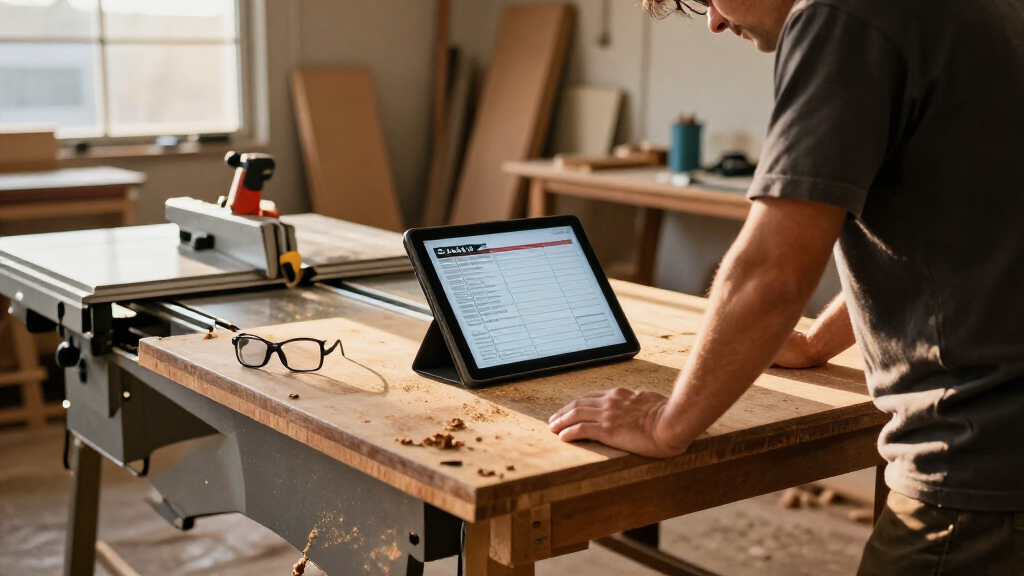
Imagine a foreman on a tablet, walking through the site. As they check scaffolding, they tick off items on the app—no paper, no manual logging. If something’s wrong, an alert pops up immediately, prompting quick action. These tools can also send reminders, track compliance, and generate reports in real time. This immediate feedback loop ensures issues are addressed promptly, preventing small hazards from escalating into serious incidents.
For example, a construction company adopted a digital checklist system. Safety checks that used to take 10 minutes now take under 2. The app’s prompts kept workers focused, and the instant reporting helped managers act fast. Automation reduces redundancy, keeps everyone accountable, and minimizes disruptions—making safety checks a natural, fast part of the day. This approach also shifts safety from a reactive task to a proactive safety culture, where issues are caught early and managed efficiently.
Investing in digital tools isn’t just about tech; it’s about creating a culture of continuous safety improvement that saves time, reduces errors, and enhances overall site productivity.
Create Clear, Concise Procedures That Save Time and Reduce Errors
Clear procedures are the backbone of efficient safety checks. When instructions are straightforward and easy to follow, workers spend less time figuring out what to do and more time doing it right. But beyond simplicity, these procedures matter because they reduce variability—ensuring everyone performs checks the same way, which is crucial for consistency and safety. When procedures are ambiguous or overly complex, workers may skip steps or misinterpret instructions, increasing risk. Therefore, well-designed procedures act as a safeguard against human error and inconsistency.
Take a real-world scenario: a crew uses a laminated safety checklist posted on-site. The checklist is simple—checklist items are numbered and include visual cues—making it quick to scan and complete. This reduces errors and speeds up the process. Visual aids like photos or diagrams serve as quick references, especially in high-pressure situations, helping workers verify hazards or equipment status accurately. Regularly reviewing and updating these procedures based on feedback ensures they stay relevant and effective, preventing complacency or outdated practices from creeping in.
This approach turns safety into a quick, routine part of every task—not a burdensome add-on. When workers understand exactly what to do and see visual cues, mistakes decrease, and the safety checks become a reliable line of defense. The tradeoff here is investing time upfront to develop and train on clear procedures, but the payoff is a more efficient, safer work environment where errors are minimized, and productivity is maximized.
Train and Engage Your Crew to Make Safety Checks a Habit
Training isn’t just a one-time thing; it’s an ongoing process that keeps safety top of mind. When your crew understands why safety checks matter and how to do them efficiently, they’re more likely to follow through without delay. Effective training helps embed safety as a core value, which influences daily behaviors and decisions. Without continuous reinforcement, safety routines can fade or become inconsistent, increasing risks. Short, focused toolbox talks—like a quick Friday morning session—serve as regular reminders, reinforcing the importance of safety checks and sharing best practices.
For example, a superintendent runs a 5-minute safety talk about inspecting fall protection gear. They show photos of common mistakes, share tips for quick checks, and encourage questions. This keeps safety fresh in workers’ minds and promotes a culture of accountability. Engagement also involves involving workers in developing checklists or procedures. When they contribute ideas, they feel ownership and are more committed to following safety protocols. Visual cues—like safety signs or color-coded gear—serve as constant, subtle reminders that safety is everyone’s responsibility.
Recognition goes a long way. Praising crews that perform quick, thorough safety checks reinforces positive behavior. When safety becomes a shared culture—something everyone owns—compliance skyrockets, and disruptions decrease. The tradeoff is investing time in ongoing training and engagement activities, but this investment creates a self-sustaining safety culture that reduces accidents and enhances productivity over the long term.
Use Feedback and Data to Continuously Improve Safety Checks
The last piece is to keep improving your safety checks based on real feedback. Gathering data isn’t just about compliance; it’s about understanding how safety routines function in practice and identifying areas for refinement. When you analyze how long checks take, what issues arise, and where delays occur, you gain insights into potential bottlenecks or misunderstandings. For example, if workers consistently report that a checklist item takes too long or causes confusion, it indicates a need for simplification or clarification. This continuous refinement helps optimize safety procedures, making them more efficient and user-friendly.
Take a real example: a project manager reviews weekly safety reports. They notice that inspecting scaffolding consistently takes longer than other checks. They then modify the checklist, removing redundant steps and adding visual cues. The result? Checks now take 30% less time, with fewer errors. This demonstrates how proactive adjustments based on data can significantly improve safety processes, saving time and reducing errors.
Encouraging workers to share their ideas fosters a collaborative approach to safety. Maybe a crew member suggests a shortcut that saves 2 minutes per check. Small improvements add up, making safety reinforcement more efficient and less disruptive. The key is establishing regular feedback loops—via daily huddles, digital surveys, or informal chats—that keep the process dynamic. When safety checks evolve with your team’s insights, they become more effective, less burdensome, and more ingrained in daily routines. This ongoing cycle of feedback and adjustment is essential for maintaining a high safety standard that adapts to changing conditions and team needs.
Frequently Asked Questions
How can I implement safety checks without slowing down daily operations?
Embed safety checks into daily routines with visual cues, use digital checklists, and automate alerts. Training your team to perform quick, routine checks ensures safety without sacrificing productivity.What are the best digital tools for reinforcing safety checks?
Apps like iAuditor, SafetyCulture, and custom safety management platforms streamline checklists, send instant alerts, and track compliance—all helping safety checks become part of the workflow.How do I get my crew to consistently follow safety procedures?
Regular, short training sessions, involving workers in developing procedures, and recognizing good safety habits foster buy-in. Clear, visual instructions make it easier for everyone to follow through quickly.Can automation replace manual inspections entirely?
Automation can handle many monitoring tasks, like IoT sensors for equipment or environmental conditions, but visual inspections and human judgment remain essential for thorough safety oversight.What’s the biggest challenge in reinforcing safety checks?
Resistance to change and time constraints top the list. Overcoming these requires demonstrating quick wins, simplifying procedures, and integrating safety into daily routines so it’s seen as part of the job, not an extra chore.Conclusion
Reinforcing safety checks without disrupting work is all about smart integration. When safety becomes part of the routine—supported by technology, clear procedures, and engaged workers—it stops feeling like an extra step. Instead, it becomes a natural, quick habit that keeps everyone safe and productivity high.
Remember, the best safety checks are the ones your team does automatically. Use tools, routines, and feedback to make safety seamless. When safety fits into your workflow like a well-oiled machine, accidents drop, and morale rises. Keep it simple, keep it smart, and watch your site run safer and smoother every day.