TL;DR

Get business pricing on tools and workshop supplies
- Business-only prices and quantity discounts
- Tax-exempt purchasing
- Multiple users, one account, clear invoices
Conflict resolution on a high-pressure jobsite works when you intervene early, separate the people from the problem, and run disputes through a fixed script: cool down, listen to each side separately, agree on facts, and settle on next steps in writing. Foremen who mediate in the first 24 hours resolve most disputes without HR; waiting turns a two-minute argument into a two-week grudge that shows up in safety stats.
Two pipefitters screaming at each other over a scissor lift is not a “personnel issue.” It’s a live safety hazard with a crowd gathering around it. On a jobsite running behind schedule, conflict spreads like hydraulic fluid on a smooth floor — fast, slippery, and hard to contain once it’s out.
Here’s what the numbers say: unmanaged workplace conflict drags down productivity, drives up safety incidents, and pushes your best hands out the door. A crew that’s fighting isn’t watching their partner’s back. They’re watching each other.
This guide gives you real tactics — scripts, warning signs, and a step-by-step mediation process you can run in the job shack in twenty minutes. No HR jargon. No trust falls. Just what works between the morning huddle and quitting time.
Treat live conflict as a safety hazard first: separate the parties immediately, because arguing workers stop calling out hazards and watching each other’s back…
Run the 20-minute mediation script: separate, hear each side alone (5 minutes each), agree on the facts, negotiate one concrete change with an owner and deadli…
Learn the five escalation signs — silence, triangulating, slow-roll sabotage, public disrespect, and absence patterns — and intervene within 24 hours of spotti…
Kill resource disputes with written protocols (equipment windows, task rotation, tie-breaker authority) announced at kickoff, not negotiated mid-fight.
Train crews with monthly 10-minute drills: repeat-back listening, real-scenario role-play, and a 24-hour rule for raising complaints.
Implementing Conflict Resolution Tactics in a High-Pressure Jobsite
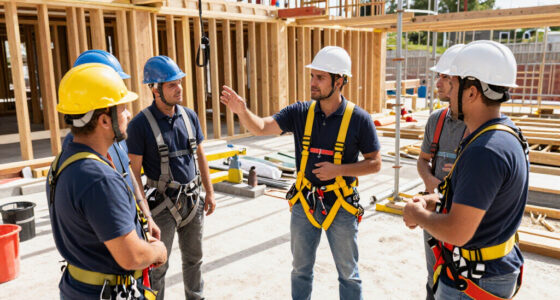
Two pipefitters screaming at each other over a scissor lift is not a “personnel issue.” It’s a live safety hazard with a crowd gathering around it. This guide gives you real tactics — scripts, warning signs, and a step-by-step mediation process you can run in the job shack in twenty minutes. No HR jargon. No trust falls.
A Safety Problem Before It’s a People Problem
An angry worker is a distracted worker — and a distracted worker near a table saw, an open edge, or a live panel is how incidents happen. The tension doesn’t stay in the argument. Watch how it actually plays out:
A carpenter and a laborer trade words over material staging.
Neither one is talking. Communication drops to hand signals and go-betweens.
The carpenter stops calling “heads up” near the laborer’s area — calling out would mean cooperating.
That silence is the incident report you haven’t filed yet.
Rule of thumb: if a dispute is still hot at the next shift, treat it like a near-miss. Log it, deal with it, and follow up.
ForemanBrief Field Guidance5 Warning Signs a Conflict Is About to Blow Up
Most foremen wait too long because the early signals don’t look like conflict — they look like nothing. When you see any two of these together, intervene that same day.
The Silent Treatment
Two crew members who used to joke around now only communicate through hand signals or a third guy. Silence between trades is more dangerous than shouting.
Triangulating
A worker brings you a complaint “for a friend,” or the crew splits into camps with running commentary at break.
Slow-Roll Sabotage
Material “mysteriously” isn’t where it should be. Tool borrowing stops. Information stops flowing. Conflict wearing a work-slowdown costume.
Public Disrespect
Once insults happen in front of the crew, the dispute is about saving face — and face fights don’t settle themselves.
Absence Patterns
One party calls in more, shows up late, or volunteers for tasks far from the other party. People vote with their feet before they quit.
The Boom Lift Feud
Two electricians stopped talking over a shared lift schedule. Nobody flagged it. Three weeks later, one quit mid-job over “something completely different.” It never is.
The 20-Minute Mediation Script
The structure matters more than your talking skills — a boring, predictable process is exactly what lowers the temperature. Your job as mediator is referee, not judge: you’re not deciding who’s right, you’re deciding what happens next.
Pull Them Apart
Never mediate in front of the crew — public mediation forces performances. Walk each person to a separate spot.
Hear Each Side
Five minutes each, alone. Ask one question: “Walk me through what happened.” Just listen and take a note.
Agree on Facts
List what’s not in dispute — the lift schedule, the missed delivery. The fight is usually about interpretation, not facts.
One Change
Not “communicate better.” “Jose owns the lift until 10 a.m., Mike after. Mike texts Jose at 9:45.”
Set a Check-In
“We’ll revisit Thursday at the huddle.” A follow-up tells both parties this is settled, not buried — and that you’re watching.
What Unmanaged Conflict Costs You
| Intervention Model | Speed | Crew Trust | Safety Impact |
|---|---|---|---|
| Foreman trained in mediation (24-hour rule) | ✓ Fast | ✓ High | ✓ Direct |
| Escalate to HR / outside mediator | ~ Slow | ~ Mixed | ✗ Delayed |
| Let it resolve itself | ✗ Never | ✗ Erodes | ✗ Hazard |
Set Expectations That Kill Half Your Conflicts
Most jobsite conflicts come from ambiguity — unclear roles, unwritten rules, shifting priorities nobody announced. People can’t fight over a decision that’s already written down and everyone has heard. Handle it at kickoff, not after the first blowup.
Publish Equipment Windows
If two crews need the same lift, telehandler, or hoist, put the schedule on the board Monday morning. Fights need ambiguity to survive.
Rotate the Bad Jobs Out Loud
Housekeeping, demo, cleanup — announce the rotation at kickoff so nobody gets stuck with the bad task two days in a row.
Define Tie-Breaker Authority
Overlapping work zones between trades need a named decision-maker. Every equipment argument is a rules problem disguised as a personality problem.
Monthly 10-Minute Drills
Repeat-back listening, real-scenario role-play, and a 24-hour rule for raising complaints. Trained crews defuse disputes before they reach you.
Why Jobsite Conflict Is a Safety Problem Before It’s a People Problem
Jobsite conflict is a safety problem first because an angry worker is a distracted worker, and a distracted worker near a table saw, an open edge, or a live panel is how incidents happen. The tension doesn’t stay in the argument. It follows the crew onto the scaffold, into the trench, and behind the wheel of the loader.
Think about how it actually plays out. A carpenter and a laborer trade words over material staging at 9 a.m. By noon, neither one is talking. By 2 p.m., the carpenter won’t call “heads up” when he’s swinging lumber near the laborer’s area — because calling out would mean cooperating. That silence is the incident report you haven’t filed yet.
Then there’s the crowd effect. When two guys go at it, six guys stop working to watch. On a 12-person crew, that’s half your production gone for ten minutes, multiple times a day. Multiply that across a week and you’ve lost a full labor day to a grudge.
Research on workplace conflict consistently ties unresolved disputes to lower safety compliance and higher turnover. The mechanism is simple: people who feel disrespected stop looking out for each other, and jobsite safety is built entirely on people looking out for each other.
Rule of thumb: if a dispute is still hot at the next shift, treat it like a near-miss. Log it, deal with it, and follow up.
construction site conflict resolution training kit
As an affiliate, we earn on qualifying purchases.
As an affiliate, we earn on qualifying purchases.
5 Warning Signs a Conflict Is About to Blow Up
The clearest signs a jobsite conflict is escalating are silence, clustering, sabotage, name-calling in front of others, and crew members starting to route work around a person. When you see any two of these together, intervene that same day — not at the end of the week.
Most foremen wait too long because the early signals don’t look like conflict. They look like nothing. Here’s what to watch for:
- The silent treatment. Two crew members who used to joke around now only communicate through hand signals or a third guy. Silence between trades is more dangerous than shouting.
- Triangulating. A worker brings you a complaint “for a friend,” or the crew splits into camps with a running commentary in Spanish, Polish, or just in mutters at break.
- Slow-roll sabotage. Material someone needs “mysteriously” isn’t where it should be. Tool borrowing stops. Information stops flowing. This is conflict wearing a work slowdown costume.
- Public disrespect. Once insults happen in front of the crew, the dispute is no longer about the original issue — it’s about saving face, and face fights don’t settle themselves.
- Absence patterns. One party starts calling in more, showing up late, or volunteering for tasks far from the other party. People vote with their feet before they quit.
Real example: a superintendent I know watched two electricians stop talking over a shared boom lift schedule. Nobody flagged it. Three weeks later one of them quit mid-job over “something completely different.” It’s never something completely different.
jobsite safety conflict management tools
As an affiliate, we earn on qualifying purchases.
As an affiliate, we earn on qualifying purchases.
The 20-Minute Mediation Script You Can Run in the Job Shack
To mediate a jobsite dispute, use a fixed five-step sequence: separate the parties, hear each side alone, agree on the facts, negotiate one concrete change, and set a follow-up date. The structure matters more than your talking skills — a boring, predictable process is exactly what lowers the temperature.
Foremen who “wing it” usually make things worse by taking sides within the first thirty seconds. Follow this instead:
- Pull them apart immediately. Never mediate in front of the crew. Public mediation forces both parties to perform toughness instead of solving anything. Walk each person to a separate spot.
- Hear each side alone, for five minutes each. Ask one question: “Walk me through what happened.” Don’t argue, don’t correct. Just listen and take a note or two. Most people deflate once they feel heard.
- Find the facts you both agree on. Bring them together and list what’s not in dispute — the lift schedule, the missed delivery, the schedule change. The fight is usually about interpretation, not facts.
- Negotiate one concrete change. Not “communicate better.” Something specific: “Jose owns the lift until 10 a.m., Mike after. Mike texts Jose at 9:45.” One change, one owner, one deadline.
- Set a check-in. “We’ll revisit Thursday at the huddle.” A follow-up tells both parties this is settled, not buried. It also tells them you’re watching.
Keep it to twenty minutes. If it goes longer, you’ve stopped mediating and started litigating — park it and schedule a real sit-down.
Your job as mediator is referee, not judge. You’re not deciding who’s right. You’re deciding what happens next.
construction mediation script cards
As an affiliate, we earn on qualifying purchases.
As an affiliate, we earn on qualifying purchases.
How to Set Expectations That Prevent Half Your Conflicts
Most jobsite conflicts come from ambiguity — unclear roles, unwritten rules about tools and equipment, and shifting priorities nobody announced. Predefined protocols cut disputes before they start because people can’t fight over a decision that’s already written down and everyone has heard.
Think about the arguments you’ve actually seen. Shared equipment scheduling. Who cleans up. Who got stuck with the bad task two days in a row. Overlapping work zones between trades. Every one of those is a rules problem disguised as a personality problem.
Handle it at the start of every job, not after the first blowup:
- Publish equipment windows. If two crews need the same lift, telehandler, or hoist, put the schedule on the board Monday morning. Fights need ambiguity to survive.
- Rotate the bad jobs out loud. Housekeeping, demo, cold-weather work — rotate them visibly and on a cycle everyone knows. Perceived favoritism is jet fuel for resentment.
- Name the tie-breaker. Tell the crew who makes the call when trades collide: “Electricians yield to plumbers on the third floor until Thursday.” Decisions people hate beat decisions nobody made.
- State the dispute rule on day one. Something like: “If you’ve got a problem with someone, you bring it to me the same day. You don’t collect witnesses for a week.”
A foreman on a fast-track data center job told ForemanBrief-style crews this line at kickoff: “We argue about work, never about people.” He said it took ten seconds and saved him a dozen mediations over eight months.
workplace conflict resolution books for supervisors
As an affiliate, we earn on qualifying purchases.
As an affiliate, we earn on qualifying purchases.
What Leadership Actually Looks Like When Two Guys Are Yelling
Leadership in a live jobsite conflict means separating the parties fast, staying neutral in word and body language, and never disciplining anyone in public — even the guy who’s clearly wrong. How you handle the first sixty seconds sets your credibility with the whole crew for the rest of the job.
Here’s the hard part: you will be angry. Yelling on an active deck is genuinely dangerous, and your gut says to match volume with volume. Don’t. Drop your voice instead. It sounds counterintuitive, but a foreman who speaks quieter than the argument forces everyone to lean in and shut up to hear. It works like a clutch — it disengages the escalation.
Walk in physically between them if it’s safe, use first names, and give one instruction: “Take five. Roberto, cool down by the truck. Dave, with me.” Two instructions, both named, no verdict. You’re not deciding anything yet — you’re stopping the bleeding.
Watch your own bias too. Foremen naturally favor the guy they drink beer with or the higher-skilled hand. The crew sees that favoritism instantly, and every future dispute gets harder because nobody trusts the referee. Impartiality is your only real authority in mediation — you don’t have a gavel, you have trust.
One more thing: if anything crossed into threats, slurs, or physical contact, mediation is over and you’re into HR and discipline territory. Handle that by the book, same day, documented.
Quick Comparison: Settle It Now, Escalate It, or Let It Burn Out
Not every dispute needs the same response. Task conflicts about methods often settle themselves; relationship conflicts never do. Here’s how to match your response to the situation:
| Conflict Type | Example | Your Move | Timing |
|---|---|---|---|
| Task disagreement | Two masons argue the fastest way to lay the bond beam | Let them argue it out briefly; pick one if it stalls | Same hour |
| Resource dispute | Both crews need the telehandler at 7 a.m. | Fix with a written schedule — not a conversation | Same day |
| Personal friction | Two hands stop talking over a perceived slight | Full 20-minute mediation with follow-up | Within 24 hours |
| Public disrespect | Insults traded in front of the crew | Immediate separation, private resolution, reset expectations | Immediately |
| Threats, slurs, or contact | Anything physical or discriminatory | Stop work, document, escalate to HR per policy | Immediately, by the book |
The pattern in the table: the further a conflict moves from “how do we do the work” toward “who is this person,” the faster you must step in. Task conflict can actually sharpen a crew. Relationship conflict only compounds — like interest on a loan nobody agreed to.
Train Your Crew So You’re Not the Only Referee
You prevent most jobsite conflict by training two skills: active listening and emotional control under stress. A crew that can hear each other out and manage their own temperature resolves 80% of disputes before they ever reach you — which is the goal, because you can’t be everywhere on the deck.
You don’t need a seminar. You need ten minutes at a toolbox talk, once a month. Pick one skill, run one scenario, keep it dirty-hands practical:
- The repeat-back drill. One guy states a complaint; the other must summarize it back accurately before responding. Sounds soft. It’s brutally hard, and it’s the single fastest de-escalation tool on any site.
- Role-play the real stuff. Practice the classic scenarios: the guy who got skipped on overtime, the apprentice who “stole” a task, the trades bumping zones. Run it once a month and guys build muscle memory for the real thing.
- Teach the 24-hour rule. Complaints get raised within a day or they get dropped. This kills the week-long grievance collection that poisons crews.
The payoff is measurable. Workplaces with trained, conflict-competent supervisors show better safety compliance and lower turnover than sites that outsource everything to HR — because the person standing right there, in the hard hat, is the one who can end it. Train your leads the same way. A general foreman who can run the 20-minute mediation script is worth two foremen who can’t.
Frequently Asked Questions
What are the most effective conflict resolution tactics for high-pressure jobsites?
The most effective tactics are early intervention, private mediation, and written protocols for shared resources. Separate the parties immediately, hear each side alone, agree on the facts, negotiate one concrete change, and set a follow-up date. According to ForemanBrief field guidance, fast supervisor-led mediation beats waiting for HR because the person who saw the conflict can settle it before it affects safety.
How fast should a foreman step in when two workers are arguing?
Immediately if the argument is public, loud, or happening near active work — that’s a safety issue, not just a personnel issue. Speak quieter than the argument, use names, and give each person a separate instruction. For quieter friction like the silent treatment or avoidance, intervene within 24 hours of spotting the pattern.
When should a jobsite conflict be escalated to HR instead of handled by the foreman?
Escalate the same day if the conflict involves physical contact, threats, discrimination, slurs, or anything that violates company policy or law. Also escalate if you’ve mediated twice and the behavior repeats. Task disagreements and personal friction without policy violations are best handled on site, documented in a quick note.
Should you mediate a dispute in front of the crew so everyone hears the outcome?
No. Public mediation forces both parties to perform toughness instead of solving the problem, because neither can back down in front of coworkers. Always resolve disputes privately. If the outcome affects the crew — like a new equipment schedule — announce the rule, not the argument that created it.
How can I train my crew to handle conflict without me refereeing everything?
Run ten-minute monthly drills at toolbox talks. Practice the repeat-back drill (each person must summarize the other’s complaint before responding), role-play real scenarios like skipped overtime or trade-zone collisions, and set a 24-hour rule for raising complaints. Crews with these skills resolve most routine friction before it reaches the foreman.
What does unresolved conflict actually cost a jobsite?
Three costs: production (crews stop working to watch fights and start routing work around people), safety (distracted, resentful workers stop calling out hazards), and turnover (people quit over “something different” that was really an unresolved dispute months old). Treated as a near-miss and logged, conflicts cost minutes; ignored, they cost labor days and hands.
Conclusion
Here’s the whole thing in one line: structure beats improvisation. Every fight you settle with a script — separate, listen, agree on facts, one change, follow-up — stays a five-minute problem. Every fight you wing stays a five-week problem that shows up in your safety numbers, your schedule, and eventually your quit rate.
Next time two hands go nose-to-nose over a lift or a load, don’t ask who started it. Walk between them, drop your voice, and start the clock. Twenty minutes now, or twenty days later. Your call, boss.
Fall yard work Picks
leaf blowers
As an affiliate, we earn on qualifying purchases.